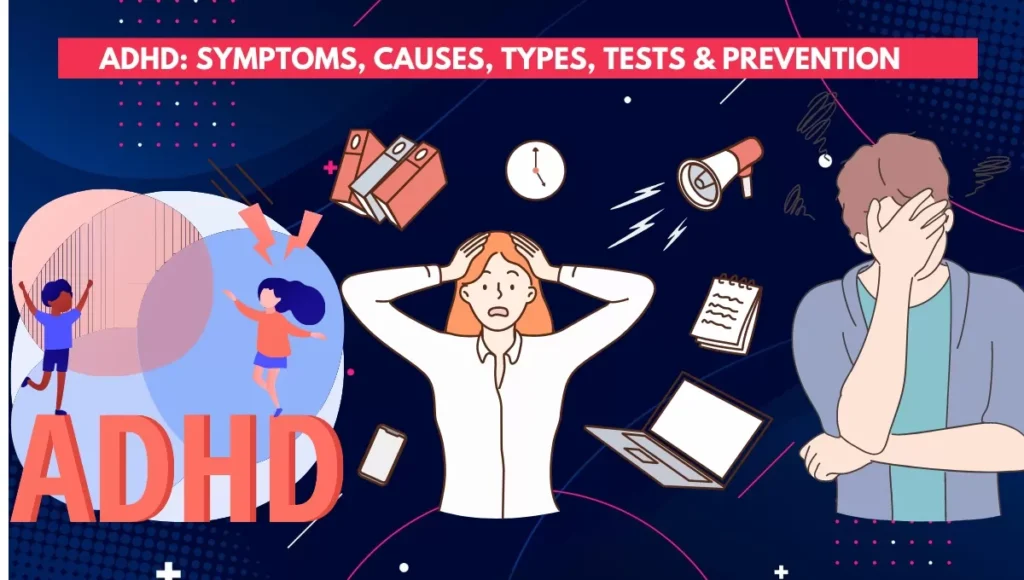
Attention Deficit Hyperactivity Disorder (ADHD) is a condition that affects many individuals, often beginning in childhood and continuing into adulthood. Have you ever noticed someone struggling to focus, constantly moving, or acting impulsively? These behaviors may indicate ADHD. Understanding this disorder is crucial not only for those diagnosed but also for their families and educators. In this article, we will delve into the symptoms, causes, complications, types, and prevention strategies associated with ADHD, providing you with a comprehensive overview to better understand this condition.
What is ADHD?
ADHD, or Attention Deficit Hyperactivity Disorder, is a neurodevelopmental disorder primarily identified during childhood. Children who have ADHD may find it challenging to maintain attention, control impulsive actions, or manage hyperactivity. Interestingly, many renowned figures, including Thomas Edison, faced similar struggles. Research suggests that ADHD is not merely a learning disability or a behavioral issue, but rather a complex condition that can affect various aspects of life.
The Meaning Behind ADHD
The term ADHD stands for Attention Deficit Hyperactivity Disorder. This name reflects the core challenges faced by individuals with the condition—difficulty in maintaining attention and managing hyperactive impulses.
Identifying ADHD Symptoms
It’s not uncommon for children to experience occasional focus issues, but for those with ADHD, these challenges can be persistent and severe. Watch for signs such as:
- Frequent daydreaming
- Consistently losing things
- Excessive talking
- Making careless errors
- Difficulty waiting for their turn
- Struggles with social interactions
- Easily distracted by external stimuli
- Failing to follow through on tasks
- Neglecting daily activities
- Challenges in organizing tasks
If you notice many of these symptoms persisting, it may be time to consult a professional.
What Causes ADHD?
The exact origins of ADHD remain unclear, but research points to several contributing factors:
- Genetics: ADHD often runs in families.
- Chemical Imbalances: Neurotransmitters in the brain may be out of balance.
- Brain Structure: Certain areas of the brain that manage attention might be less active in those with ADHD.
- Environmental Influences: Factors like poor nutrition or substance exposure during pregnancy can impact brain development.
- Toxins: Exposure to lead and other harmful substances can hinder a child’s cognitive growth.
It’s worth noting that factors like sugar intake or excessive screen time do not cause ADHD.
Complications Arising from ADHD
Living with ADHD can complicate various aspects of life for children, including:
- Struggles in school leading to academic difficulties
- Low self-esteem
- Challenges in forming friendships
- Increased risk of substance abuse and other risky behaviors
Addressing these complications early can lead to better outcomes.
Types of ADHD
ADHD manifests in three primary forms:
- Combined Type: The most prevalent, characterized by a mix of hyperactivity, impulsivity, and inattention.
- Predominantly Hyperactive-Impulsive Type: Marked by impulsive behaviors with less emphasis on inattention.
- Predominantly Inattentive Type: Primarily involves difficulty with attention without significant hyperactivity.
Understanding these types can help in tailoring effective interventions.
Strategies for Preventing ADHD
While there’s no guaranteed way to prevent ADHD, certain strategies can help manage symptoms effectively:
- Consult Healthcare Professionals: A doctor can provide tailored advice based on your child’s medical history.
- Medication: Stimulants can help balance brain chemicals, allowing better focus and impulse control.
- Behavioral Management: Techniques for parents and teachers can improve behavior and reduce stress.
- Healthy Lifestyle: A balanced diet and regular check-ups are essential for overall well-being.
Additionally, creating a structured daily routine can significantly benefit children with ADHD.
Routine Support for ADHD
Establishing a consistent daily schedule can be beneficial. Consider including specific times for:
- Waking up
- Meals
- Homework
- Playtime
- Bedtime
Make sure to communicate any changes in advance to help your child feel prepared. Though this structure doesn’t eliminate ADHD, it enhances their ability to stay focused and organized.
Assessing ADHD: The Test
If you suspect ADHD, consider these reflective questions:
- How often do you struggle to keep tasks organized?
- Do you delay or avoid starting tasks that require concentration?
- How frequently do you fidget or feel restless?
- Do you often make careless mistakes on challenging projects?
- Are you easily distracted by noise or activities around you?
The answers may provide insight into whether further evaluation is necessary.