The world of trading is constantly evolving, and the latest developments in the CFD (Contract for Difference) market are nothing short of fascinating. As 2025 came to a close, the industry surprised many by recording a significant uptick in trading activity. If you’ve ever wondered how market dynamics shift during the holiday season or the implications of new regulatory measures, this article unpacks the latest trends and challenges you should know about.
In this piece, we’ll explore the impressive rise in CFD accounts, the impact of tax changes in India, the volatility of gold trading, and the exciting innovations in prediction markets. Let’s dive into the key happenings that are shaping the trading landscape today.
Surge in CFD Accounts: A Closer Look
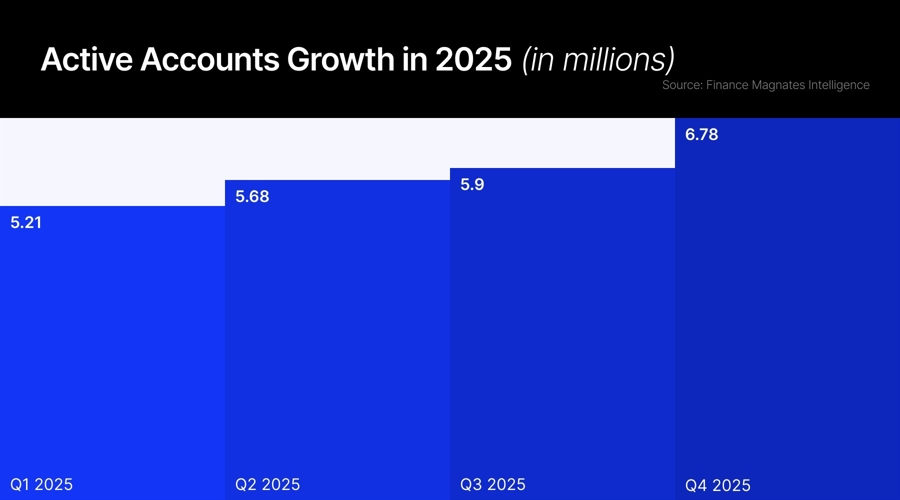
The CFD market is buzzing with activity, with active accounts skyrocketing to 6.79 million, up from 5.92 million, marking a remarkable 14.6% increase. This trend is particularly surprising given that the fourth quarter often sees a slowdown in trading due to year-end holidays. Yet, this time, traders stayed engaged, signaling a growing appetite for speculative trading.
You might be asking, what’s driving this surge? The answer lies in a combination of market sentiment and innovative trading options that attract both novice and seasoned investors.
Impact of India’s Increased Trading Tax
Shifting gears, India recently raised taxes on derivatives trading, sending shockwaves through its stock markets. This move is likely to decrease trading volumes, as participants reconsider the costs involved. The speculation that traders might pivot towards CFDs—a market segment that remains largely unregulated—highlights the strategic decisions investors make when faced with changing policies.
So, how will this affect the overall trading landscape in India? It remains to be seen, but the shift could open doors to new opportunities in the CFD arena.
The Volatility of Gold: Broker Challenges
Gold prices have been anything but stable lately. Recent surges have forced some CFD brokers to suspend gold trading or adjust margin requirements significantly. This situation exposes vulnerabilities in how brokers manage their market risk. After a notable drop in gold prices, many brokers took the opportunity to rebalance their positions, yet the volatility raises questions about risk management strategies across the board.
Have you ever thought about how external factors influence trading stability? The gold market’s unpredictable nature serves as a stark reminder of the complexities involved in trading.
Tradu’s Strategic Shift to FXCM
In the midst of these market fluctuations, the trading brand Tradu is undergoing significant restructuring. They are transitioning their CFD clients to the sister company FXCM, a move aimed at streamlining operations. This decision follows recent cost-cutting measures, including workforce reductions and a rebranding initiative within their European operations.
What does this mean for existing clients? It’s essential for traders to stay informed about such changes as they can impact trading conditions and services.
Plus500 and Prediction Markets: A New Frontier
Plus500 has made headlines by launching prediction markets tailored for its U.S. retail clients. This expansion into event contracts signifies a growing trend among brokers to diversify their offerings. With the increasing popularity of prediction markets, both retail and institutional investors see them as a transparent and regulated way to speculate on real-world events.
Have you considered how prediction markets can enhance your trading strategy? They are becoming an exciting frontier in the world of finance.
Emerging Startups and Industry Growth
Meanwhile, Lumina Markets is gearing up to enter the prediction markets space, reportedly backed by a well-known figure in electronic trading. As they begin recruiting professionals, the excitement in the industry is palpable. This surge in interest reflects a broader trend where traditional financial firms are diving into prediction markets, with trading volumes skyrocketing from around $9 billion in 2024 to an astonishing $40 billion in 2025.
Why are brokers so eager to tap into this market? The answer lies in the potential for significant growth and the opportunity to engage a wider audience.
UK Mid-Cap Stocks: A New Dividend Landscape
In the UK, mid-cap stocks are experiencing a revival, with many of them now offering higher dividends than their large-cap counterparts. This shift marks a notable change from previous years where mid-caps were often seen as growth-oriented but less dividend-friendly. Investors are increasingly taking notice, making this an exciting time for those looking to diversify their portfolios.
What drives these changes in investor sentiment? A combination of economic factors and evolving market dynamics plays a crucial role.
Job Market Trends in the CFD Sector
Interestingly, Cyprus continues to dominate the CFD job market, accounting for a significant share of open positions globally. Despite Dubai’s ambitions, it hasn’t yet eclipsed Cyprus as the preferred hub for CFD-related roles. This trend underscores the importance of location in the brokerage industry, as firms seek to tap into local talent pools.
What does this mean for job seekers? Opportunities abound, especially for those willing to explore markets outside their home countries.
Singapore’s Digital Payment Evolution
Lastly, Singapore is moving towards becoming a cashless society, with digital wallets and real-time transfers gaining traction. This evolution reflects a broader shift in how financial transactions are conducted globally. As the nation enhances its payment infrastructure, the implications for both consumers and businesses are profound.
Are you ready to embrace this digital transformation? Staying ahead of these trends can offer significant advantages in today’s fast-paced financial landscape.