With a staggering $1.5 billion monthly market, the event-contract sector has become a focal point for regulatory action in Washington. Recently, the Commodity Futures Trading Commission (CFTC) has taken steps to assert its authority over this growing industry, proposing rules that categorize sports, political, and climate bets as federally regulated swaps. This move could significantly alter the landscape of gambling and derivatives trading in the U.S.
By diving into the world of event contracts, you’ll discover how they are not just for gambling enthusiasts but also serve as tools for hedging risks and speculating on future outcomes. Curious about how this will impact both ordinary users and industry players? Let’s break down the implications of these new rules and what they mean for you.
What Are Event Contracts?
Event contracts are essentially agreements between parties regarding the outcome of future occurrences. People use them to hedge risks, make informed predictions, and engage in speculative trading. For many, placing a wager on a favorite team might feel similar to participating in a stock market trade. But the essential distinction lies in how these contracts are structured and regulated.
These contracts have gained immense popularity. In fact, sports contracts accounted for 80% of the trading volume in August alone, according to the CFTC. With at least seven exchanges already registered and more applications pending, the market is evolving rapidly. You might wonder why this is significant. Well, it indicates a shift in how people engage with betting, blurring the lines between traditional sportsbooks and prediction markets.
The CFTC’s New Regulations
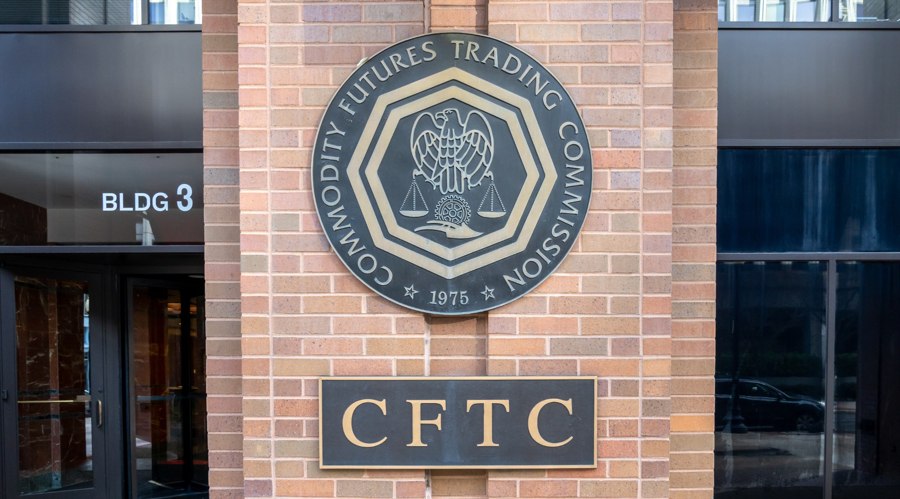
On October 9, the CFTC proposed a comprehensive rulemaking package aimed at clarifying its jurisdiction over event contracts. Under these new rules, contracts linked to sports, politics, and culture will be classified as commodity swaps. This means they fall under the CFTC’s regulatory authority, which could lead to a more standardized framework for trading across states.
However, traditional casino and sportsbook operations are explicitly excluded from this classification. The CFTC’s Chairman, Michael S. Selig, emphasized that “casino-style gambling products are not derivatives.” This distinction is crucial as it determines how these products will be regulated and taxed.
The Tension Between State and Federal Authority
As the CFTC pushes for federal oversight, states are understandably concerned about losing control over their gambling regulations. States rely on the revenue generated from local gambling operations, and a shift to federal regulation could threaten their budgets. What’s at stake? The ability to decide where betting occurs and the protections afforded to consumers.
Tribal governments also have a vested interest. They argue that event contracts could infringe upon their sovereignty and established gaming rights. The Indian Gaming Association has raised concerns about prediction platforms using commodities regulation to bypass existing agreements.
Legal Challenges and Conflicting Court Rulings
As regulatory bodies clash, the matter has landed in the courts, leading to a divided legal landscape. Two key questions are at the heart of the dispute:
While the Third Circuit found in favor of Kalshi, suggesting that contracts are likely swaps, the Ninth Circuit reached the opposite conclusion. This inconsistency leaves a complex situation where different jurisdictions may interpret the laws differently.
What Lies Ahead?
The CFTC’s recent announcements represent a bold attempt to establish clear regulatory boundaries, but this battle won’t be resolved easily. With billions of dollars in tax revenue and jurisdictional authority on the line, expect challenges from state attorneys general and Tribal gaming authorities.
The outcome of this ongoing struggle could unfold in several ways:
The next few weeks will be crucial, especially with the CFTC’s comment period and the Supreme Court’s potential involvement in reviewing these cases. In this evolving landscape, staying informed is key. How will you navigate the future of event contracts and gambling regulations?