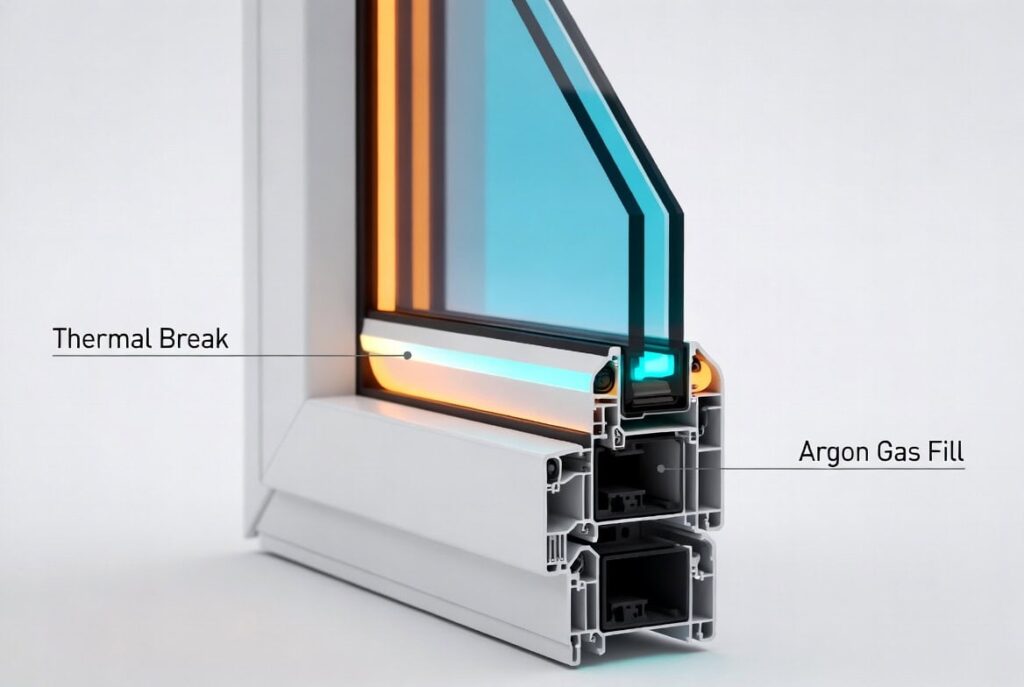
Keeping your coastal home in top shape is no small feat. The unique challenges presented by the damp, salty air of places like the Pacific Northwest require thoughtful solutions, especially when it comes to your windows and doors. Have you ever considered how crucial the intersection of glass and frame is for your home’s overall efficiency? This article delves into why selecting the right windows is vital to maintaining comfort, security, and energy efficiency in coastal environments. Let’s explore the essential aspects of window installation and management that can keep your home strong and effective against the elements.
Understanding the Importance of Coastal Window Design
In coastal regions, standard windows simply won’t cut it. You need designs specifically tailored to combat humidity and salt exposure. Thus, it’s vital to select windows with a low “U-factor,” which measures heat transfer. In a climate where cold feels heavy and conductive, these features become essential. You might be surprised to learn that windows can account for up to 25% of your home’s heat loss.
Consider these features for a better coastal experience:
Navigating New Building Regulations
As we approach 2025, local building codes are becoming more stringent. These regulations, particularly the BC Energy Step Code, set demanding U-value targets for new window installations. Specifically, you must aim for a U-value of 1.4 W/m²·K or lower. This means older window types are becoming less viable. Homeowners who cherish traditional aesthetics can now find modern solutions that replicate classic looks without sacrificing efficiency.
Implementing Effective Water Management Strategies
Living in a region with significant rainfall (over 1,150 millimeters annually) necessitates a robust approach to water management. Ensuring that moisture is effectively diverted away from your home’s structure is critical for preventing rot and mold.
Key strategies include:
Enhancing Comfort with Acoustic Soundproofing
As urban areas grow, noise pollution becomes an increasing concern for homeowners. Soundproofing your windows can be a game changer. Utilizing asymmetrical glazing can disrupt sound waves, leading to a quieter living space.
Modern windows can achieve impressive Sound Transmission Class (STC) ratings:
Reinforcing Security in Your Home
Your doors should not only be aesthetically pleasing but also secure. Multi-point locking systems are becoming the standard in modern door designs, engaging locks at multiple points along the frame. This feature not only enhances security but also improves thermal efficiency by ensuring a tight seal against the weather.
Evaluating the Financial Benefits of Energy-Efficient Windows
You may wonder how much you can save by upgrading your windows. The financial advantages can be substantial:
Choosing Sustainable Materials for Longevity
Sustainability is more than a trend; it’s a necessity for modern homeowners. Opting for eco-friendly materials, such as lead-free uPVC, offers durability and longevity. These frames can last between 25 to 40 years and are naturally resistant to moisture, making them ideal for humid climates.
Preparing for Changing Weather Patterns
Climate forecasts indicate that extreme weather will become more common, making it essential to consider your window’s Solar Heat Gain Coefficient (SHGC). Windows designed with low SHGC can block excessive solar heat during hot months, keeping your home comfortable without relying heavily on air conditioning.
Selecting the Right Contractor for Your Project
Upgrading windows and doors is a significant investment and requires a careful selection of a contractor. Look for partners who provide extensive warranties on both products and labor, ensuring that your investment is safeguarded. Additionally, seek out contractors with certifications like ENERGY STAR for Canada, as they can deliver quality and performance you can trust.