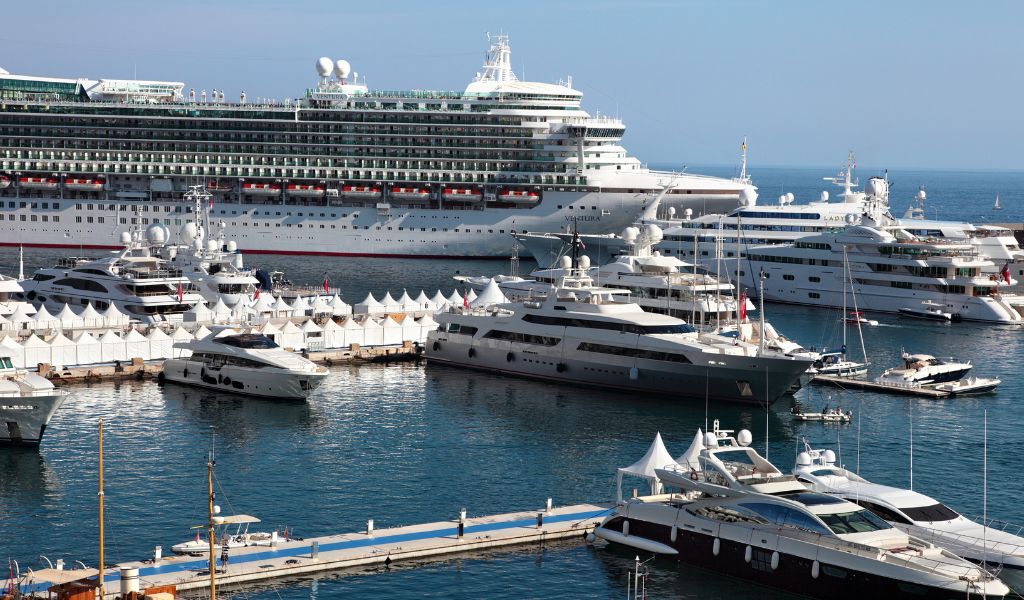
The cruise industry is on the verge of transformation as we approach 2026. With a resurgence in travel following the pandemic, there’s a renewed focus on what modern travelers truly desire. Are you curious about how cruise lines are adapting to attract new customers and enhance their experiences? This article dives into the latest trends set to redefine cruising, highlighting significant shifts such as sustainability initiatives, cutting-edge technology, and personalized services. Let’s explore how these changes will shape the future of cruising.
### The Future of the Cruise Industry: An Overview for 2026
As we look ahead, the cruise sector is not merely bouncing back; it’s evolving. According to projections, the global cruise market is set to soar to approximately USD 18.30 billion by 2030, reflecting a compound annual growth rate (CAGR) of 11.5%. This growth is driven by significant investments in infrastructure and innovative experiences tailored to the preferences of today’s travelers. The upcoming years will be marked by a focus on personalized journeys, sustainability, and enhanced operational frameworks.
### Key Insights from the Cruise Industry Report 2025/26
The Cruise Lines International Association (CLIA) has provided valuable insights into the current state of the cruise sector. In 2024, millions of passengers enjoyed their voyages, and for 2025, projections indicate around 37.7 million ocean-going travelers. This robust growth signals not only a recovery but also a commitment to expanding routes and enhancing the fleet.
#### Expedition Cruises on the Rise
A notable trend is the increasing popularity of expedition-style cruising. This niche segment has experienced double-digit growth, making remote and unique itineraries more accessible than ever. Whether you’re interested in wildlife encounters or cultural immersion, operators are catering to these desires with specialized vessels and expert guides.
### Embracing Sustainability: A Core Focus
Sustainability is becoming an essential aspect of cruising. It’s not just about good public relations anymore. Cruise lines are actively investing in:
Expect to see more LNG-powered ships and hybrid systems that emphasize lower carbon footprints. For travelers, this shift means cleaner air at ports and quieter, more environmentally friendly vessels.
### Smaller Ships for Unique Experiences
There’s a growing demand for intimate, less crowded cruise experiences. Smaller ships and boutique yachts are gaining traction, offering tailored adventures that cater to personal interests. Whether it’s landing next to a glacier or diving into local cultures, these experiences are designed to create lasting memories.
### Technology Enhancing Personalization
Technology is set to revolutionize how you experience cruising. From AI-driven recommendations during booking to onboard apps that cater to your preferences, expect a seamless travel experience. Here’s what you might enjoy:
Imagine a cabin that remembers your favorite pillow type or room temperature—this is the future of personalized cruising.
### Wellness and Remote Work Opportunities
As more people embrace remote work, cruise lines are capitalizing on this trend by offering wellness retreats and digital-nomad-friendly accommodations. These options not only fill cabins during off-peak seasons but also provide travelers with diverse choices year-round.
### Dynamic Pricing and Bundled Experiences
Pricing for cruises is becoming increasingly flexible. Factors influencing costs include:
With this shift, you can expect a model where basic fares are supplemented by a la carte options, allowing you to pay only for what you want.
### Tourism Management and Authentic Local Experiences
Destinations are learning how to manage cruise traffic more effectively, emphasizing community-first planning. This entails:
Such strategies aim to mitigate overtourism while ensuring that local communities benefit from cruise visits.
### Health and Safety: A Continued Priority
The pandemic has reshaped how cruise lines approach health and safety. Investments in medical facilities, flexible booking policies, and contingency plans for unforeseen disruptions are now standard practices. This focus on resilience and safety will remain a priority as the industry moves forward.
### Travel Tips for 2026
If you’re planning a cruise in 2026, here are some practical tips:
### Exploring Unique Itineraries
For those looking for off-the-beaten-path routes, many resources highlight lesser-known ports and unique itineraries. Curated lists can guide you toward exciting destinations that promise a more authentic cruising experience.
### The Evolution of Cruising in 2026
The demands of modern travelers are clear: they seek cleaner, more personalized experiences with tailored itineraries. As the industry adapts, factors like regulatory compliance, innovative technologies, and responsible destination stewardship will shape the future of cruising. With a guest-centric approach, the cruise sector is poised for an exciting and transformative journey ahead.