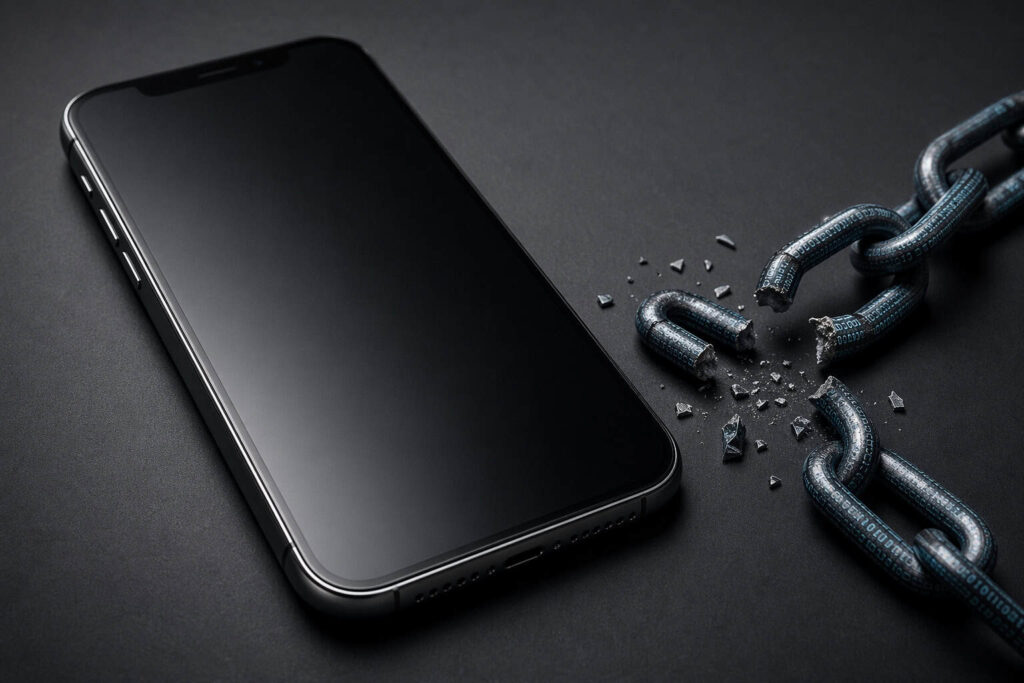
In our hyper-connected world, it’s all too easy to find yourself mindlessly scrolling through your smartphone, often before you even realize you’re bored. Have you ever noticed how quickly those minutes turn to hours? You pick up your device, and suddenly, you’ve lost chunks of your day to endless feeds and short videos. The truth is, this behavior can solidify into a habit within just 30 minutes, making it challenging to break free. But there are effective strategies to reclaim your time and focus, shifting from passive consumption to more fulfilling activities. This article will explore practical methods to help you transform your smartphone into a tool for growth and connection, rather than a source of distraction.
Understanding the Digital Habit Loop
It’s essential to recognize that our devices are designed to capture our attention. When you engage in mindless scrolling, your brain enters a loop that encourages further distraction. Once established, this habit can be tough to break. Therefore, it’s crucial to replace these automatic behaviors with purposeful actions.
Implement App Blockers to Create Digital Friction
One way to disrupt these habits is by introducing digital friction through app blockers. Start by limiting access to the applications that typically draw you in.
Instead of relying on self-control, which can be challenging against well-designed interfaces, leverage tools like StayFree. This app can block your access to short-form video platforms, helping you resist the urge to scroll. When you feel the temptation to dive back into those habits, the blocker forces you to pause and reflect on what you truly want to engage with.
Use Idle Time Wisely with Micro-learning
Have you ever thought about those small pockets of time when you’re waiting? Instead of zoning out on feeds, consider using these moments to learn something new.
By dedicating these intervals to focused learning, you transform downtime into productive moments that enrich your life.
Engage with High-friction Journalism
If you find yourself reaching for your phone out of boredom, swap mindless scrolling for long-form journalism.
Apps like Pocket can help you save and discover in-depth pieces, shifting your interaction with media from passive to active.
Explore Audiobooks and Podcasts Offline
Visual fatigue is real, and sometimes, it’s refreshing to give your eyes a break. Why not listen instead?
By transitioning to auditory content, you can keep your mind engaged without the strain of screen time.
Organize Your Digital Life
When you feel the urge to scroll, redirect that energy into organizing your digital space.
This not only reduces mental clutter but gives you a sense of accomplishment and control over your digital environment.
Shift to Synchronous Socializing
Instead of consuming content alone, consider engaging in synchronous socializing.
This approach fosters connection, making your interactions more meaningful.
Practice Somatic Grounding Techniques
When you’re feeling overwhelmed, sometimes a different kind of engagement is needed.
These practices can help reduce stress and cultivate a sense of calm, allowing your device to serve as a tool for wellness rather than distraction.
Embrace Offline Play and Exploration
Finally, don’t forget about the joys of offline play.
This balanced approach allows you to enjoy the benefits of technology while also experiencing the world around you.
Frequently Asked Questions
What should I do on my phone when I’m bored?
Instead of scrolling mindlessly, engage with activities that enrich your life. Consider learning a new skill, reading in-depth articles, or organizing your digital files.
Why is there a trend among Gen Z to buy simpler phones?
Many are seeking to escape the overwhelming nature of constant connectivity, preferring to reduce distractions and enjoy more meaningful interactions.
Can I reset my brain by taking a break from my phone for a few days?
While a multi-day break isn’t necessary, even short periods of intentional downtime can help reset your focus and reduce stress.
How does introducing digital friction help in reducing mindless scrolling?
By implementing barriers through app blockers, you can disrupt habitual behaviors and encourage more intentional engagement with your device.
Why choose long-form journalism over quick content?
Long-form content requires more focus and mental effort, which can help rebuild your attention span compared to passive video consumption.
Is it really possible to master a skill during short waiting times?
Absolutely! If you dedicate those brief moments to a specific skill, consistent practice can lead to significant progress over time.
What distinguishes passive socializing from synchronous socializing?
Passive socializing is about observing feeds alone, while synchronous socializing involves real-time interactions that foster a sense of community and connection.