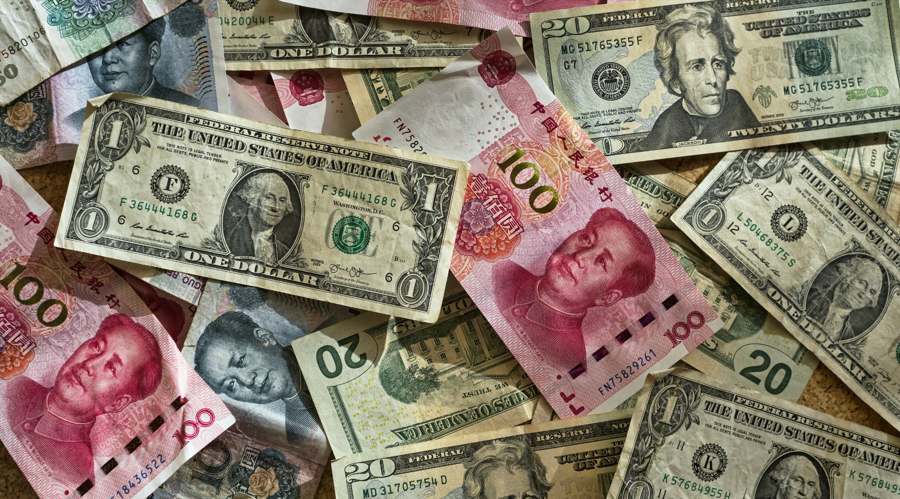
The foreign exchange market is a dynamic landscape, constantly influenced by global economic shifts and geopolitical events. In July 2025, this market displayed signs of stabilization, particularly among institutional trading platforms, which recorded slight upticks in activity compared to the previous month. Despite the US dollar reaching its lowest levels since 2022, this month marked a notable shift, as it experienced its first increase after six months of declines. What does this mean for currency traders and investors? Let’s delve into the details.
This article will explore the recent trends in institutional FX volumes, the contrasting performances of various exchanges, and the broader market context influencing these changes.
Institutional FX Volumes Show Signs of Life
July brought a sense of relief to the foreign exchange market, with Cboe FX volumes rising to $1.05 trillion in July, an increase from June’s $1.01 trillion. However, this growth was largely due to having more trading days—23 in July compared to 21 in June. Interestingly, the average daily volume (ADV) actually fell to $45.6 billion from $48.3 billion.
A year-over-year perspective reveals a more stable picture. In July 2024, Cboe recorded total volumes of $1 trillion, showcasing that current trading levels are consistent with historical trends despite the dollar’s recent challenges.
FXSpotStream also reported positive developments, with its total ADV climbing to $104.2 billion, up from June’s $99.8 billion. The platform’s spot ADV reached $68.4 billion, while other products added $36 billion to the daily average, indicating a healthy trading environment.
European Exchanges Maintain Consistency
European trading platforms exhibited resilience as well. Euronext FX volumes saw a slight dip, falling to $584.7 billion from $609.5 billion in June. The ADV decreased to $25.8 billion from $27.7 billion, reflecting the impact of the extended trading days but still showcasing stable activity in a volatile market environment.
On the other hand, 360T, managed by Deutsche Börse Group, reported a more robust performance with total volumes reaching $768.6 billion, up from June’s $711.7 billion. The ADV slightly decreased to $33.4 billion, showcasing solid trading activity amidst market fluctuations.
Challenges in the Japanese Market
In stark contrast, the Japanese FX market faced significant challenges. Click 365 volumes dramatically dropped to 1.41 million contracts in July, marking a steep decline compared to both the previous month and the same period last year. The ADV fell to 61,391 contracts, down 19.6% from June and a staggering 48.6% from July 2024.
This decline indicates a notable cooling of institutional interest in FX trading in Japan, suggesting that current market uncertainties are dampening appetite among traders.
Understanding Market Dynamics and Future Outlook
The performance observed in July highlights the complex factors at play within the currency markets. While the US dollar’s drop to 2022 lows initially suggested potential for increased volatility, institutional trading volumes have remained relatively modest compared to the explosive growth seen earlier in the year.
As Jennifer Lee, Senior Economist at BMO Capital Markets, notes, “We are expecting a weaker U.S. dollar in the coming months.” Ongoing budget implications, inflationary pressures, and geopolitical tensions continue to shape the outlook for the greenback, leaving traders cautious.
While July’s modest recovery might signal a turning point for the dollar, uncertainty persists. With volatility likely to remain high in the coming months, institutional platforms are bracing for what lies ahead. Are you prepared for the shifts in the FX market?