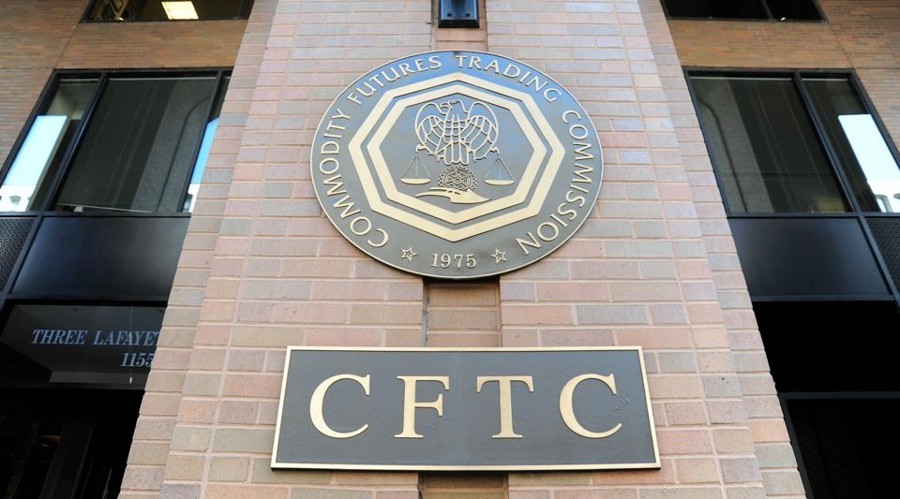
The landscape of prediction markets is rapidly evolving, and the recent closure of public comments by the Commodity Futures Trading Commission (CFTC) has brought this topic to the forefront. With over 1,500 responses submitted, the debate surrounding the classification of event contracts has intensified, raising critical questions about regulation and market structure. Are these contracts legitimate financial instruments, or do they simply masquerade as gambling? In this article, we’ll explore the complexities of this issue, including arguments from both sides, the implications for the industry, and what the future might hold.
Understanding the Financial Aspect of Prediction Markets
When discussing prediction markets, you might wonder why they’re generating so much attention. Companies like Coinbase and Kalshi argue that event contracts should be viewed as swaps, thereby falling under the CFTC’s jurisdiction. Their perspective is rooted in the idea of price discovery, information aggregation, and risk management, vital characteristics that define traditional derivatives markets.
Faryar Shirzad, Coinbase’s chief policy officer, emphasizes that these contracts serve a public interest, claiming they provide broad benefits. The industry strongly advocates for the CFTC to claim exclusive authority over these markets. This move would help circumvent the confusing state-level gaming laws that currently create barriers for operators. Without federal oversight, companies face a tangled web of licensing requirements that differ from state to state, and in some cases, outright prohibitions.
The Gambling Perspective: A Different Take
On the flip side, state gaming regulators from Tennessee, Missouri, and Pennsylvania, along with consumer advocacy groups like Better Markets, have raised significant concerns. They argue that these contracts lack a genuine economic purpose, thus falling outside the umbrella of legitimate derivatives. Their stance is clear: “Nobody ‘trades’ on sporting events. People bet on sporting events.” This assertion highlights a fundamental disagreement about the nature of these contracts.
Critics contend that if the majority of Americans perceive these contracts as gambling, then that’s precisely what they are—regardless of any technical classifications. Moreover, they worry about the potential consequences of such contracts, suggesting they might create troubling incentives around real-world events, such as elections or geopolitical crises.
The Impending Decision: What’s at Stake?
As the CFTC prepares to make a ruling, the stakes couldn’t be higher for brokers and trading firms. The decision will ultimately determine whether prediction markets become integrated into the broader financial ecosystem or remain classified under gambling regulations. A favorable ruling for the industry would affirm federal preemption, allowing these contracts to be part of standard trading accounts. Conversely, a decision against could shift authority back to state regulators, leading to a convoluted and costly licensing process.
This pivotal moment presents a choice between the established infrastructure of Wall Street and the regulatory framework of Las Vegas. As the CFTC weighs its options, one thing is clear: the outcome will significantly impact the future of prediction markets and their role in the financial landscape.
In this rapidly evolving space, it’s crucial to stay informed. What do you think the CFTC should decide?