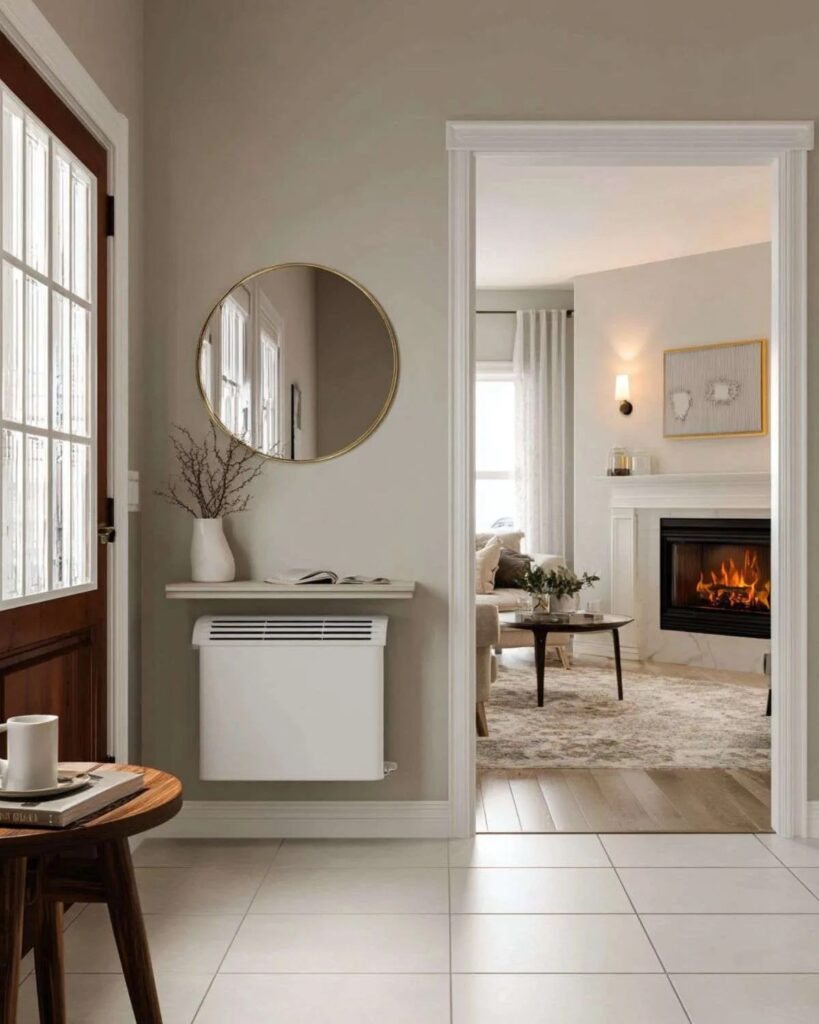
As the days grow shorter and the air turns crisp, many of us find ourselves wrestling with a familiar dilemma: when is it the right time to switch on the heating? It’s a question that echoes in homes across the country as we transition from warm autumn days to cooler winter nights. With energy costs constantly on the rise, it’s crucial to make informed decisions about your home’s temperature. But how do you know when to take the plunge and heat your space?
In this article, we’ll explore the signs that indicate it’s time to turn up the thermostat, practical tips for managing your heating effectively, and some alternatives to keep your home cozy without breaking the bank. You’ll discover how small changes can make a significant difference in your comfort levels and energy bills. Ready to learn more about staying warm this season? Let’s dive in!
Recognizing the Signs to Heat Your Home
When the temperature starts to dip, it’s easy to hold off on heating your home. However, there are clear indicators that suggest it’s time to switch on the heating.
- Your comfort level drops significantly: If you find yourself reaching for extra blankets or wearing layers indoors, it might be a sign that it’s time to heat your space.
- Indoor humidity becomes uncomfortable: Cold air can lead to dry conditions inside, which may cause discomfort. If your skin feels dry, heating can help balance the moisture levels.
- Health concerns arise: Cold environments can exacerbate respiratory issues or other health problems. If anyone in your household is feeling under the weather, consider turning on the heat.
Smart Heating Strategies to Save Energy
Now, just because it’s time to heat your home doesn’t mean you have to crank up the thermostat to the max. There are several strategies you can use to keep your home warm while being energy-efficient.
- Set a schedule: Program your heating to come on only when you need it. This way, you avoid wasting energy when no one is home.
- Use zone heating: Only heat the rooms you’re using. Close doors to unused spaces, and keep heating localized.
- Seal drafts: Check windows and doors for drafts and seal them. This simple step can significantly improve your heating efficiency.
Alternatives to Traditional Heating
If you want to save even more on your energy bills, consider these alternatives to traditional heating methods. They can help you stay warm without relying solely on your heating system.
- Invest in blankets and throws: Cozy up with warm blankets while lounging on the sofa. Not only do they keep you warm, but they also add a touch of style to your living space.
- Use space heaters: These can be effective for heating smaller areas without needing to warm the entire house.
- Consider heated rugs or electric blankets: They provide warmth directly where you need it most, making your environment more comfortable.
Final Thoughts on Heating Your Home
As the chill of winter settles in, it’s essential to find the right balance between comfort and energy efficiency. By paying attention to your environment and implementing smart heating strategies, you can maintain a warm and inviting atmosphere in your home without facing sky-high energy bills. So, when you notice those signs indicating it’s time to heat things up, you’ll be ready to act wisely. Stay cozy!