The world of finance is undergoing a dramatic transformation, driven by advancements in artificial intelligence (AI), changes in regulatory frameworks, and evolving business models. Have you noticed how brokers are increasingly integrating cutting-edge technology to enhance their services? This week, we’ve seen significant shifts, from ownership changes at major firms to the emergence of new trading strategies. In this article, we will delve into these developments and their implications for the financial landscape, including the responsibilities tied to AI trading, new trading services, and the rising prominence of cryptocurrency.
AI Trading: Who’s Responsible for Mistakes?
As AI trading agents become more prevalent, a crucial question arises: who is accountable when these systems err and lead to significant financial losses? Currently, brokers are linking AI tools to client accounts, but the regulatory framework surrounding these autonomous systems is still in its infancy. Robinhood recently stated that users bear responsibility for the actions of their AI agents. However, as technology progresses, legal experts anticipate that companies will face increased obligations.
In just a few weeks, more than 50,000 Robinhood users have opened accounts for AI trading, engaging in millions of dollars’ worth of transactions daily. This rapid adoption raises the stakes for ensuring that safeguards, such as kill switches and «Know Your Agent» requirements, are put in place. As AI trading tools gain more influence, the urgency for clear regulations will only grow.
Innovative Trading Services: Scope Markets Launches New Features
Scope Markets has taken a significant step forward by introducing Scope Copy, a copy trading service for MetaTrader 5. This innovative feature allows clients to replicate trades while also taking the opposite position on selected strategies. Are you ready to optimize your trading approach with this new service?
Powered by PLUGIT’s YOONIT technology, Scope Copy has successfully completed a beta phase involving over 500,000 replicated trades. Clients can adjust their risks and trade sizes while strategy providers can implement performance fees ranging from 10% to 50%. This new model shows the growing trend towards more personalized and adaptable trading strategies.
Ownership Changes: London Capital Group’s New Leadership
In a notable shift, London Capital Group has seen a change in ownership as its senior executives, Matthew Basi and David Worsfold, acquired stakes previously held by Charles Sabet. This move directly influences the future direction of the FCA-regulated business. The transaction, facilitated by Walder Wyss for creditors, marks a new chapter for LCG, which has pivoted to operate as an exclusive introducing broker for IG.
While the deal’s financial details remain undisclosed, it emphasizes the need for strong leadership in an evolving market landscape.
Fintech Growth: Payabl.’s Major Deal in Cyprus
Cyprus-based payment processor payabl. has reportedly struck a deal to sell a 50% stake to ECM Partners for over €100 million. This transaction highlights the rising interest in Cyprus’s fintech sector. CEO Ugnė Buračienė will retain control of the remaining stake and continue leading the company.
Providing payment processing and gateway services, payabl. serves a diverse clientele in the retail brokerage industry. This strategic move indicates a maturation of the fintech landscape in Cyprus, where many firms are evolving beyond their founder-led origins.
Market Challenges: iFOREX Adjusts Outlook Amid Income Declines
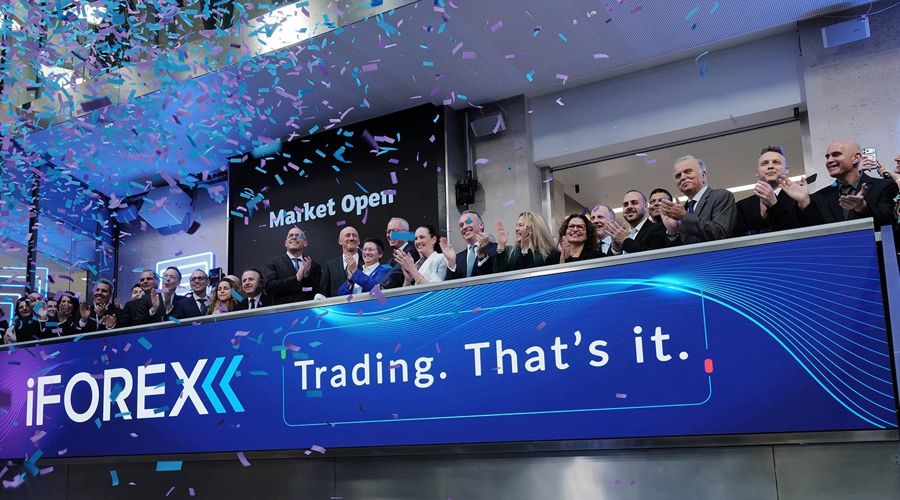
iFOREX has revised its adjusted EBITDA outlook for the year, projecting earnings between $0.5 million and $2.5 million after a staggering 77% drop in July trading income. What could have driven such a dramatic decline? The broker attributed the downturn to the yen’s appreciation following a coordinated US-Japan currency intervention, which negatively impacted its net client exposure.
While new customer registrations rose by 40% year-on-year, these gains were insufficient to counterbalance the income loss. As the company grapples with these challenges, maintaining liquidity will be crucial for its future operations.
Retail Trading: Oil Volatility Spurs Increased Activity
The volatility in oil markets is capturing the attention of retail traders, with geopolitical tensions and supply concerns pushing prices higher. Are you aware of how this volatility can create trading opportunities? Trading activity has surged across various products, including CFDs and options.
Micro WTI futures trading has skyrocketed by 317% year-on-year, reflecting a growing interest in oil-related investments. However, the landscape remains fraught with uncertainty as OPEC and the International Energy Agency have downgraded their forecasts for global oil demand, underscoring the risks involved in trading such a dynamic market.
Cryptocurrency Developments: Capital.com and OKX Expand Operations
Capital.com is making moves to enhance its crypto services by establishing Capital Vault UAE, a separate entity dedicated to offering spot crypto services under a new regulatory framework. This strategic separation aims to create clearer operational structures for clients. The firm has secured a full federal virtual-asset license, allowing it to engage in various virtual asset transactions.
Meanwhile, OKX Europe has reported a significant surge in app downloads and customer inflows following Binance’s withdrawal from the MiCA process in Greece. Could this signal a shift in the competitive landscape of cryptocurrency exchanges? With estimates indicating that a vast majority of European crypto derivatives trading remains outside regulated venues, the pressure is on licensed platforms to attract more users by enhancing their product offerings.
As the financial sector continues to evolve, staying informed about these changes can help you navigate the complexities of trading and investment.