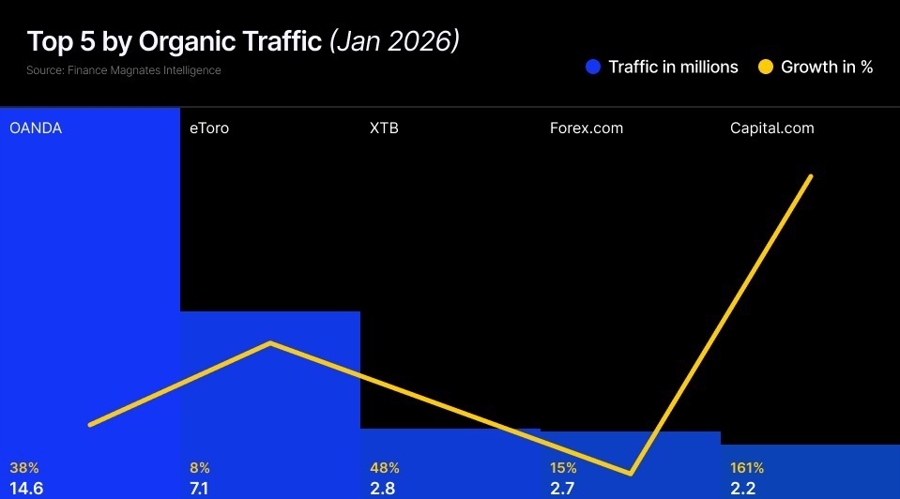
In the fast-paced world of online trading, many believe that an increase in website traffic directly correlates with higher trading activity. However, a recent study from the fmintelligence portal reveals a surprising twist: the relationship between web traffic and actual trading volumes is almost nonexistent. With insights drawn from a comprehensive analysis of 47 retail forex and CFD companies, it turns out that the correlation is a mere 0.09. This statistic challenges the conventional wisdom that more visitors mean more trades. Curious to know what this means for brokers and traders alike? Let’s dive deeper into this intriguing topic.
Understanding the Disconnect Between Web Traffic and Trading Activity
So, why is it that high web traffic doesn’t translate into increased trading volumes? The data suggests that online visibility and trading performance highlight different aspects of a broker’s effectiveness. While many brokers are enjoying a surge in organic traffic—reporting a 36.5% year-over-year increase to 40.2 million visits in January 2026—it’s crucial to note that this growth isn’t universally experienced. In fact, only 57% of brokers experienced a boost in visitors, while a significant 36% saw a decline.
This discrepancy raises important questions: Are brokers focusing too much on attracting visitors rather than converting them into active traders? What strategies can they employ to enhance user engagement and trading activity?
Market Reactions: Recent Developments in Trading Firms
In the midst of these trends, significant market activities are unfolding. For instance, iFOREX has set its London Stock Exchange IPO price at 195 pence per share, reflecting a market cap of £43.3 million. This comes after a delay due to compliance checks, but trading is expected to commence soon. Such moves indicate that while some firms are navigating regulatory hurdles, others are seizing opportunities for growth.
Meanwhile, Plus500 faced a sharp decline after executives sold £67.1 million worth of shares, triggering a selloff that momentarily erased 10% of its market value. Even amid solid performance metrics, insider trading can lead to significant market reactions.
The Evolving Landscape of Trading Platforms
As trading firms adapt to changing market dynamics, platforms like eToro are experiencing remarkable success. eToro’s shares climbed over 20%, buoyed by impressive full-year results and an expanded share buyback program. With a 10% rise in net contributions and a solid cash position, it’s clear that sound financial management is key to sustaining growth.
Conversely, IG has sparked conversation with its “Check Your Fees” campaign. The initiative reveals that over half of UK investors are paying excessively high fees, with some facing annual charges up to £922. This revelation points to a growing awareness among traders about the costs associated with their investments.
Hiring and Expansion in the Crypto Sector
In a different vein, Kraken is on a hiring spree in Cyprus, looking to fill around 50 positions following its acquisition of Greenfield Wealth. This move not only strengthens its operational capabilities but also expands its footprint in the EU market. The focus on senior talent indicates a strategic approach to building expertise within the organization.
Additionally, new players are entering the scene, such as The Trading Pit’s TTP Markets, a Seychelles-regulated brokerage. This gradual rollout indicates a thoughtful approach to scaling operations while ensuring regulatory compliance.
The Shift Towards Overnight Trading
Another noteworthy trend is the increasing participation in overnight trading. Historically, trading would generally slow down after hours, yet recent data shows that between 25% and 40% of Capital.com’s retail clients have been active during pre- and post-market hours. How does this shift affect your trading strategies?
With platforms like Robinhood reporting over $20 billion in overnight trading volume since launching its 24-hour market, the landscape is clearly evolving. This trend may offer traders new opportunities, but it also requires careful consideration of market dynamics.
Regulatory Challenges and Market Futures
On the regulatory front, discussions surrounding prediction markets are heating up. The CFTC is asserting its authority, emphasizing that it should oversee these markets rather than state regulators. This could significantly impact how prediction markets operate moving forward.
In contrast, the Dutch Gaming Authority has taken action against platforms like Polymarket for operating without proper licenses. Such regulatory scrutiny highlights the complexities and responsibilities that come with operating in the trading sector.
Overall, the trading landscape is rapidly changing. As a trader or broker, staying informed about these developments can help you adapt your strategies and make more informed decisions. Are you ready to navigate these shifts?