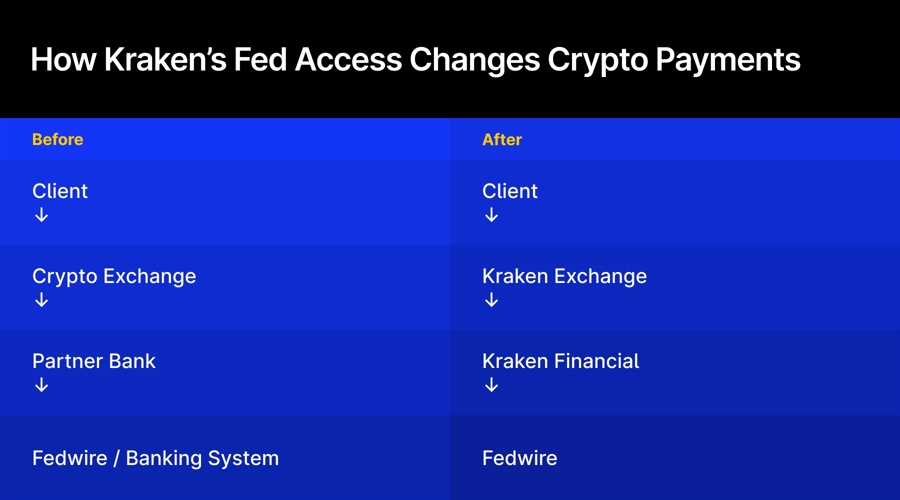
The landscape of cryptocurrency is shifting dramatically, especially with recent developments regarding access to the U.S. financial system. Have you ever wondered how digital asset firms can interact more effectively with traditional banking? Well, Kraken has just made headlines by becoming the first crypto firm to secure a master account with the Federal Reserve. This groundbreaking move could significantly streamline how cryptocurrencies transact with U.S. dollars, potentially reshaping the entire sector. In this article, we’ll explore what a master account entails, the implications for Kraken, and how this could impact the broader cryptocurrency market.
Understanding the Importance of a Master Account
A master account serves as a crucial entry point to the Federal Reserve’s payment systems. It allows banks and certain regulated financial entities to hold reserves and settle transactions through platforms like Fedwire. When institutions have a master account, they can transfer funds directly within the Fed’s network—bypassing the need for intermediary banks. This is a game changer for firms like Kraken, which previously depended on banking partners to manage U.S. dollar transactions.
How Kraken Benefits from This Development
With direct access to the Fed’s payment rails, Kraken Financial can enhance its dollar transfer capabilities. This means that institutional clients, including professional traders, could experience faster and more reliable transactions. For Kraken, this newfound ability to manage fiat flows independently could lead to increased operational efficiency and reduced reliance on partner banks.
However, it’s essential to note that Kraken isn’t being granted the same privileges as traditional banks. Instead, the access they receive is a limited version of a master account, often referred to as a «skinny» model. This limited access allows Kraken to utilize the Federal Reserve’s infrastructure without enjoying the broader safety net typically available to full-fledged banks.
Regulatory Implications and the Cautious Approach of the Fed
The Federal Reserve’s decision to allow Kraken limited access reflects a broader strategy to manage risks associated with newer financial institutions. Kraken operates under Wyoming’s Special Purpose Depository Institution (SPDI) framework, designed specifically for digital asset companies. The Fed is closely monitoring how these innovative firms interact with its payment systems, thereby ensuring tighter control over liquidity and systemic risk.
The Ongoing Battle for Access
Crypto companies have long sought direct access to the Federal Reserve’s infrastructure. The industry argues that the existing reliance on a handful of “crypto-friendly” banks creates vulnerabilities. Recent events, such as the collapses of Signature Bank and Silvergate Bank, have underscored these concerns, disrupting essential payment networks for crypto exchanges and institutional traders.
By granting Kraken access, the Fed could help stabilize the flow of fiat currency in the digital asset markets. This could be a significant win for the industry, allowing firms to connect directly to payment rails and reduce their dependency on traditional banks.
Concerns from Traditional Banking Institutions
Traditional banks are not entirely on board with this new development. Many banking associations express concerns regarding the regulatory framework that governs crypto firms. They argue that these companies may pose higher risks in areas like anti-money laundering and operational stability.
The Independent Community Bankers of America (ICBA) has raised alarms about the risks associated with granting nonbank entities direct access to master accounts. They worry that such moves could destabilize the existing banking system, especially if these firms are not subject to the same regulatory scrutiny as traditional banks.
A Shift in Regulatory Landscape
Kraken’s recent approval comes amid broader regulatory changes in the U.S., indicating a shift towards integrating parts of the crypto industry into the regulated financial system. Initiatives are underway to allow fintech firms limited access to Federal Reserve payment systems, potentially setting the stage for a more collaborative relationship between cryptocurrencies and traditional finance.
For Kraken, this master account enhances its competitive edge, allowing for quicker and more efficient fiat settlements. This could also have significant implications for institutional clients, including hedge funds and trading firms, who may benefit from faster dollar transactions.
The Future of Cryptocurrency Firms
Kraken’s master account is not just a milestone for the firm itself, but it also sets a precedent for the wider cryptocurrency industry. If this arrangement proves successful, other crypto companies with banking-type charters might follow suit, gradually changing how digital asset firms engage with the dollar payment system.
While the limited access underscores regulators’ caution, it also highlights a potential roadmap for crypto firms aiming to integrate further into the financial ecosystem. As the landscape continues to evolve, it will be fascinating to see how these developments unfold and what they mean for the future of digital assets in the financial world.