The financial landscape is undergoing a significant transformation, marked by a blend of ownership shifts, regulatory actions, and the emergence of innovative products in retail trading. Have you noticed the growing interplay between traditional finance and digital assets? This week, multiple developments in the UK’s financial sector highlight the changing dynamics, as regulatory bodies like the FCA intensify their oversight, particularly regarding CFD firms with overseas ties.
In this article, we’ll dive into the latest happenings, from ownership changes at London Capital Group to CMC Markets’ new trading initiatives. We’ll cover the shifts in regulatory frameworks and how they are shaping the future of trading. Additionally, we’ll explore the interplay between conventional finance and crypto, showcasing how these sectors are increasingly intertwined.
Ownership Changes in London Capital Group
Did you hear about the recent management buyout at London Capital Group? After nearly three years of negotiations, the firm is now fully owned by its management team, led by Matt Basi and co-director Dave Worsfold. They acquired the FCA-regulated broker from the estate of the defunct FlowBank.
This acquisition process was complex, especially since the bankruptcy of FlowBank in 2024 required Swiss liquidators to evaluate the market before accepting any bids. While the specific purchase price remains undisclosed, the deal involved an upfront cash payment and future profit obligations tied to LCG’s performance.
New Trading Initiatives from CMC Markets
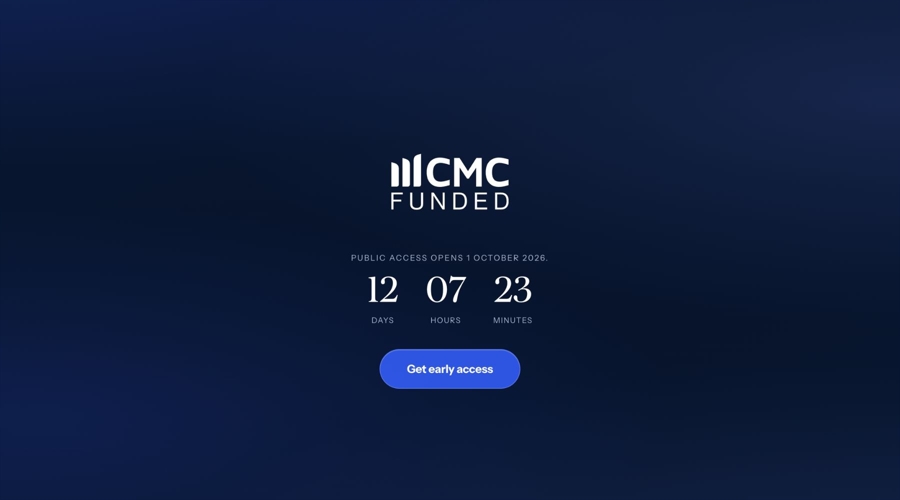
Exciting news from CMC Markets! The firm is set to launch a simulated trading service on October 1, 2026. This program, operated by Dubai-based True North Tech, will allow participants to trade simulated accounts. Unlike traditional trading, payouts will be structured as contractual rewards rather than profits derived from live capital.
The trading infrastructure appears to be linked to MatchTrader, although details regarding a commercial agreement have yet to be confirmed. Pre-launch testing has already begun, indicating that CMC Markets is preparing for a successful rollout.
FCA’s Regulatory Crackdown on CFD Brokers
The UK Financial Conduct Authority has ramped up its efforts to regulate the CFD market, having shut down 21 providers since 2025. This crackdown targets firms with minimal business presence in the UK but strong overseas links.
By cancelling the permissions of certain firms and initiating investigations into misleading practices, the FCA aims to protect investors from «halo» firms that give a false impression of regulatory safety. As of December 2025, only 74 firms were authorized to offer CFDs to UK retail clients, emphasizing the tightening grip of regulatory oversight.
BlackBull Markets Delays IPO Plans
In another twist, BlackBull Markets has decided to postpone its initial public offering until 2027. Co-founder and CEO Michael Walker noted that while the company’s roadshow received positive feedback, the board prefers to focus on growth and upcoming milestones instead of pursuing a listing right now.
Despite this delay, BlackBull has reported an impressive 85% increase in New Zealand client funds, highlighting its robust performance in the retail trading sector.
eToro’s Migration to AI-Centric Trading
eToro is making headlines by migrating its existing clients to a newly designed trading application starting October 4. This transition will occur in phases, ensuring that accounts, login credentials, and portfolios are seamlessly carried over without the need for new profiles.
The updated platform features enhanced portfolio displays and the integration of an AI assistant named Tori, which aims to enhance user experience. With faster operation and improved functionalities, eToro is positioning itself as a leader in AI-driven trading solutions.
The ECB’s New Infrastructure for Tokenised Assets
The European Central Bank has launched a new system called Pontes, designed to facilitate the settlement of tokenised financial transactions using central bank money. Initially available only to credit institutions, this infrastructure aims to bridge the gap between blockchain-based financial markets and traditional banking, allowing transactions to utilize central-bank-backed euros.
This initiative reflects Europe’s commitment to integrating digital assets into the existing financial framework, paralleling developments in the US where private-sector initiatives are taking shape.
BitMEX’s Departure from the Exchange Landscape
BitMEX, a pioneer in the cryptocurrency exchange space, has announced its closure after 11 years of operation. Once a leader in perpetual swap contracts, the exchange has witnessed a significant decline in market share, accounting for only 0.08% of daily Bitcoin futures volume by the time of its shutdown.
Despite this setback, users can still access their accounts and withdraw funds, marking the end of an era for one of the most well-known crypto trading platforms.
Convergence of Crypto and Traditional Finance
The lines between crypto and traditional finance are blurring. Many platforms are now offering stocks, derivatives, and payment solutions alongside cryptocurrencies. For instance, Coinbase has expanded its offerings by filing to provide perpetual futures on a range of US stocks.
This convergence could lead to a more integrated trading experience for retail investors, allowing them to manage various asset classes from a single platform. However, it also raises questions about counterparty risk, liquidity, and regulatory challenges.
Calls for Enhanced Cybersecurity Collaboration
As cyber threats escalate, particularly with the rise of AI, financial firms are being urged to collaborate on cybersecurity efforts. Manasseh Paradesi, CISO at Pepperstone, emphasizes the need for brokers to share threat intelligence and learn from industry incidents.
This shift towards collective defense suggests that financial institutions must not only invest in security tools but also focus on understanding how well their controls hold up against evolving threats, ensuring a safer trading environment for all.