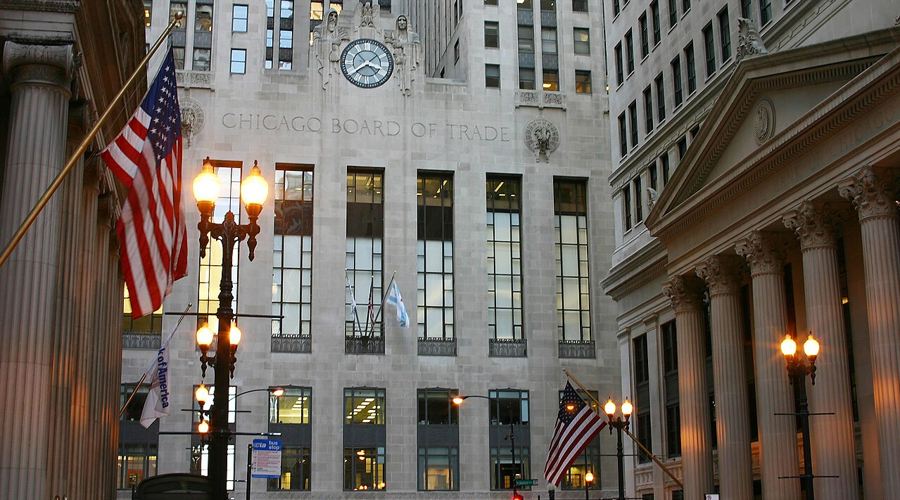
The recent actions taken by the Chicago Board of Trade (CBOT) highlight the ongoing scrutiny of proprietary trading firms and their impact on the markets. As these firms engage in trading using their own capital, they operate under a set of strict regulations designed to maintain market integrity. A notable incident involves Hertshten Group Limited, which has faced a hefty fine for disruptive behavior during pre-open trading sessions. But what does this mean for the trading community? In this article, we’ll delve into the specifics of the case, the implications for proprietary trading firms, and the broader context of market conduct regulations.
Background on Hertshten Group’s Fine
In a recent settlement, Hertshten Group Limited was fined $95,000 by the CBOT for activities deemed disruptive. Interestingly, the firm did not admit or deny the violations. This fine serves as a reminder of the importance of adhering to market conduct regulations. To put it simply, proprietary trading firms like Hertshten are expected to operate within the rules to ensure fair trading practices.
Understanding Proprietary Trading Firms
So, what exactly are proprietary trading firms? These entities use their own capital to trade financial instruments. Unlike platforms focused on retail traders, such as FTMO or FundedNext, proprietary firms are subjected to stricter oversight by organizations like the CME Group. This oversight ensures that their trading activities do not disrupt market stability.
CME’s Recent Enforcement Actions
The case against Hertshten Group is not an isolated event. Just prior, the CME Group penalized Tanius Technology with a $150,000 fine for entering oversized Treasury futures orders that it could not cover. This demonstrates a growing trend of enforcing market conduct rules among institutional firms. The CME’s actions reflect a commitment to maintaining orderly market operations, crucial in preventing market manipulation.
Disruptive Trading Practices: What Happened?
The CBOT’s Business Conduct Committee found that Hertshten Group engaged in «looping» messaging activities, which affected opening prices in the 30 Day Federal Funds futures market. Such actions triggered automated circuit breakers, prompting intervention from the CME Group’s Global Command Center. The committee noted that the firm failed to adequately supervise its agents, leading to these violations.
Impact of Automated Circuit Breakers
Automated circuit breakers are essential tools designed to maintain market stability. They automatically halt trading to prevent excessive volatility. In the case of Hertshten Group, these mechanisms were necessary due to repetitive disruptive messaging. This incident underscores the critical role that automated systems play in ensuring orderly market functions and protecting investors.
Operational Challenges at CME Group
Compounding the situation, the CME Group recently experienced operational issues with its Globex electronic trading platform, which went offline for several hours. This outage disrupted trading in commodities like gold and natural gas, further highlighting the importance of reliable systems in maintaining market integrity. It’s clear that both human and technological factors can significantly influence trading environments.
Conclusion
As the landscape of proprietary trading firms evolves, the enforcement of market conduct rules will likely continue to tighten. Hertshten Group’s case serves as a vital lesson for these firms about the importance of compliance and the repercussions of disruptive trading practices. For traders and investors alike, understanding these dynamics is essential for navigating the complex world of financial markets.