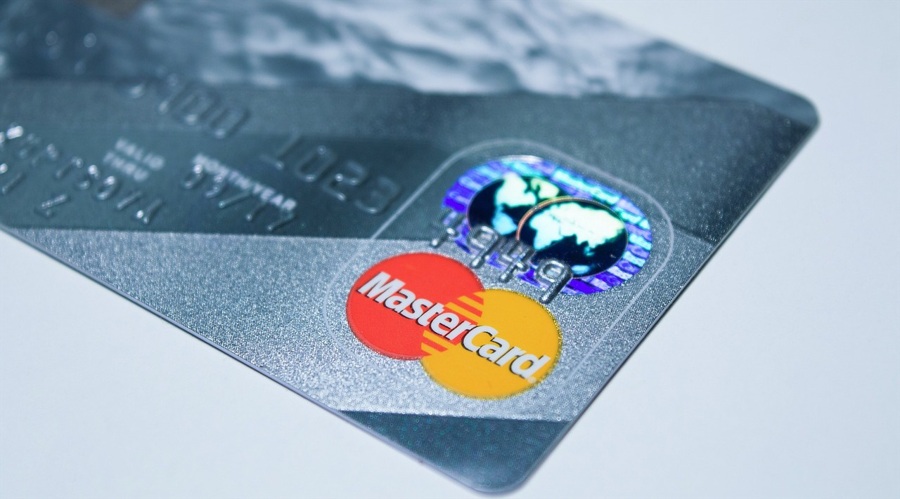
Mastercard is making significant strides in the digital currency landscape by announcing its intent to acquire BVNK, a UK-based leader in stablecoin infrastructure, in a deal that could reach up to $1.8 billion. This acquisition not only highlights Mastercard’s commitment to enhancing its digital asset capabilities but also signifies a broader trend where traditional finance is increasingly intertwining with blockchain technology. With a contingent payment of $300 million included in the deal, Mastercard aims to bridge the gap between blockchain payments and conventional fiat systems.
In this article, we’ll explore the implications of this acquisition, the role of BVNK in the evolving digital currency ecosystem, and how such moves reflect a growing interest in stablecoins among financial institutions.
Understanding the Acquisition: What It Means for Mastercard
When Mastercard announced its intent to acquire BVNK, it was clear that this move is about more than just numbers. By integrating BVNK’s stablecoin infrastructure, Mastercard is positioning itself at the forefront of digital asset innovation. This acquisition will extend its network capabilities, allowing for seamless connections between stablecoins and traditional payment methods.
Furthermore, Jorn Lambert, Mastercard’s Chief Product Officer, emphasized that this acquisition is about creating a compliant and interoperable framework. This will enable financial institutions to leverage the advantages of tokenized currencies while maintaining regulatory standards.
BVNK: A Key Player in the Digital Asset Space
Founded in 2021, BVNK has rapidly become a vital component in the digital payment ecosystem. Operating across over 130 countries, BVNK facilitates digital asset transactions on major blockchains. Its ability to support stablecoins and tokenized deposits offers a fresh avenue for financial institutions to explore modern payment options.
Moreover, BVNK has made strides in regulatory compliance by obtaining an electronic money institution (EMI) license for European markets. This move not only enhances its credibility but also provides the necessary framework for expanding its services globally.
The Significance of Stablecoins in Today’s Financial Environment
Stablecoins, particularly those pegged to the dollar, have seen a surge in popularity recently. The market value of these tokens reached an impressive $313 billion earlier this month. Investors are increasingly turning to stablecoins as a safer option amidst geopolitical tensions and fluctuating cryptocurrency prices.
Utilizing stablecoins allows traders to maintain liquidity while offering a bridge between traditional and digital assets. With Tether’s USDT dominating the market and Circle’s USDC gaining traction, it’s clear that stablecoins are not just a passing trend but a significant part of the financial landscape.
Payment Giants Collaborate: A New Era for Financial Transactions
Mastercard is not alone in its pursuit of a deeper connection with blockchain technology. Visa has recently expanded its efforts by collaborating with Circle to facilitate transactions in USDC. This shift allows banks and fintechs to settle transactions over public blockchains, moving beyond traditional banking systems.
As the demand for stablecoins continues to grow, payment giants are recognizing the importance of establishing robust partnerships and infrastructures. According to industry experts, this trend signals that stablecoin solutions are becoming essential middleware between banks, fintechs, and card networks.
The Future of Digital Payments: What’s Next?
Looking ahead, it is clear that traditional financial institutions are rapidly adapting to the evolving landscape of digital currencies. With companies like Mastercard and Visa taking significant steps toward integrating stablecoins into their operations, the future of payments appears to be intertwined with blockchain technology.
As you navigate this exciting landscape, consider how these developments might impact your approach to digital transactions. The intersection of traditional finance and innovative technology opens up a plethora of opportunities for consumers and businesses alike.