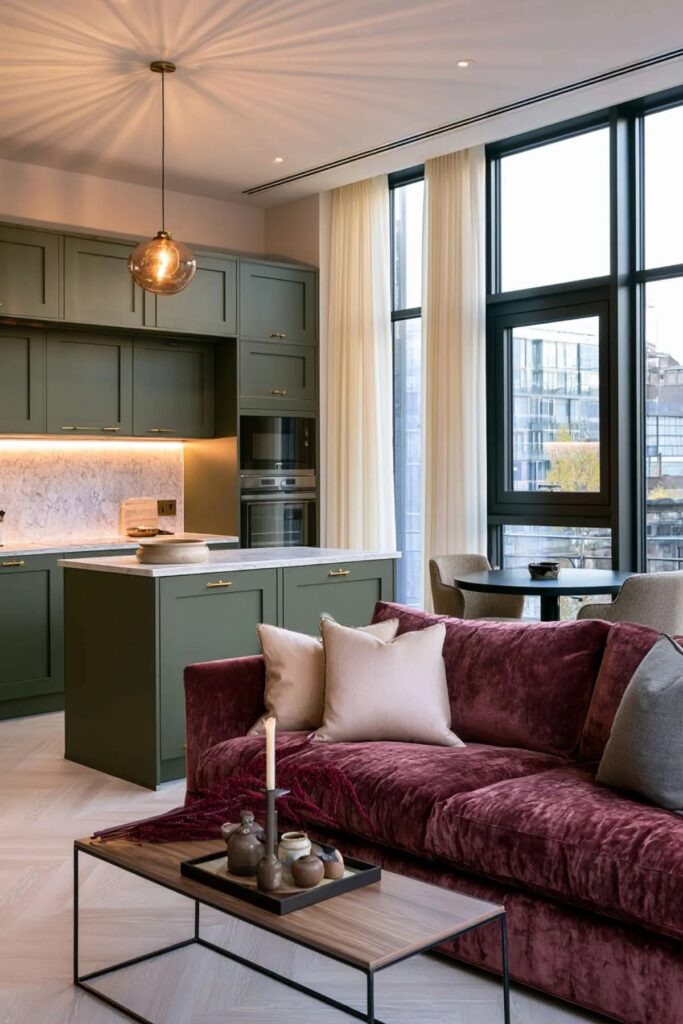
Open floor plans are taking the modern home design world by storm, and it’s clear why they’ve captured so much attention. Imagine a living space that feels airy, inviting, and versatile. Isn’t that what many of us desire in our homes? These layouts break down walls—literally and figuratively—creating an environment that fosters connection and interaction among family members and guests. In this article, we’ll delve into the benefits of open floor plans, their design elements, and some considerations to keep in mind if you’re thinking about embracing this trend.
Understanding the Appeal of Open Floor Plans
Open floor plans offer a seamless flow between various areas of your home. This layout promotes a sense of togetherness while allowing for individual activities to coexist harmoniously. Whether you’re cooking in the kitchen while the kids play in the living room or entertaining friends, an open design enhances interaction.
Moreover, these spaces often feel larger and more inviting. Natural light can pour in from multiple angles, reducing the need for artificial lighting during the day. This not only creates a warm atmosphere but can also help lower energy costs.
Key Design Elements to Consider
When designing an open floor plan, think about these essential elements:
Considerations Before Embracing the Trend
While open floor plans have many advantages, they aren’t for everyone. Noise can be a significant factor; sounds travel easily in an open space. If you have a busy household, consider how this might impact your daily life.
Also, think about privacy. An open layout may not be ideal for those who value quiet, secluded spaces. It’s essential to balance openness with areas where one can retreat for peace and solitude.
Styles That Complement Open Floor Plans
Different design styles can enhance the charm of an open floor plan:
By integrating these styles, you can create an inviting environment that feels both spacious and stylish.
Final Thoughts on Open Floor Plans
Open floor plans are more than just a trend; they represent a shift in how we view our living spaces. They encourage interaction, enhance natural light, and create versatile environments. However, always weigh the pros and cons to determine if this design is the right fit for your lifestyle.