The world of proprietary trading is rapidly evolving. As firms strive to enhance trader performance and integrate innovative technologies, the landscape is becoming more dynamic. Have you ever wondered how firms are adapting to these changes? At the upcoming iFX EXPO International 2025, insightful discussions will unfold, revealing the latest trends in the industry. In this article, we’ll explore the recent developments in proprietary trading, focusing on technology adoption, algorithmic trading, and the unique mindset of Latin American traders.
Strategic Technology Acquisition in Proprietary Trading
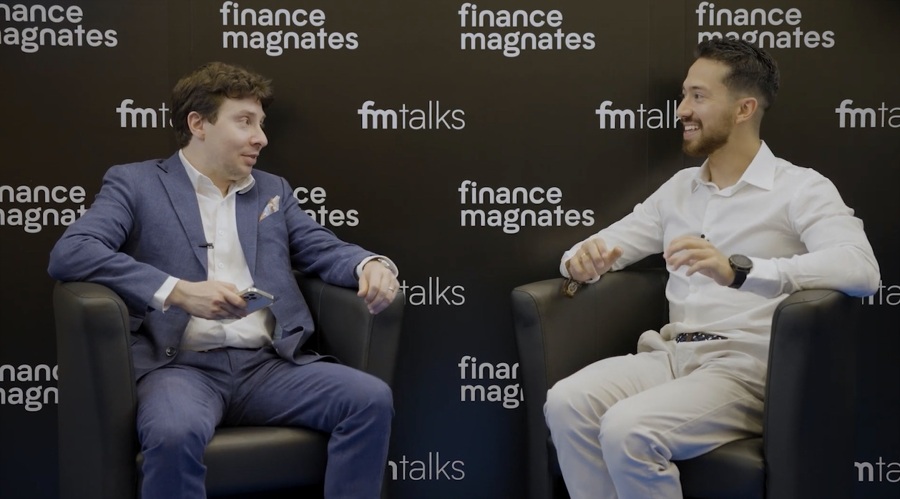
In early 2024, Swiset made a significant leap by acquiring advanced proprietary trading technologies. This strategic pivot shifted their focus from merely enhancing dashboards and customer relationship management (CRM) tools to prioritizing the needs of the traders themselves. “It’s all about the end users—the traders. We need to ensure we are equipping them with the right tools for better trading,” stated Andres Jimenez, Co-Founder and COO of Swiset.
This change emphasizes the importance of analytics powered by artificial intelligence. Instead of solely chasing new customers, Swiset aims to foster the growth and development of existing traders, creating a more supportive trading environment.
The Impact of Algorithmic Trading
Algorithmic trading is on the rise, but it brings with it a set of challenges that cannot be ignored. While some algorithms are designed to facilitate trader success, others can lead to manipulation within evaluation processes. “Certain algos assist traders in passing challenges, while others exploit the system,” Jimenez pointed out.
Moreover, in Latin America, the trend of utilizing short-term algorithms for passing challenges often results in significant losses when traders move to live accounts. “The goal is to enhance traders’ skills, not undermine their careers,” he emphasized.
Latin America’s Unique Trader Mindset
Despite the global statistic that approximately 80% of proprietary trading challenges end in failure, many Latin American traders remain undeterred. Jimenez attributes this resilience to economic constraints and a cultural drive to succeed. “In Latin America, parting with $5,000 isn’t easy. Many will attempt a $100 challenge multiple times without losing hope,” he shared.
This determination often leads traders to deposit directly with brokers after several attempts at challenges, motivated by the potential for higher returns.
Bridging the Gap: Brokers vs. Prop Firms
While brokers excel in execution capabilities, they often fall short in providing tools that facilitate trader growth, such as performance journals and analytics. Swiset positions itself as a bridge, aiming to fill this gap.
Jimenez also discussed the intersection of brokers and proprietary firms, noting the importance of effective risk management. “AI can significantly assist in identifying dedicated traders versus those merely chasing quick payouts,” he stated.
Understanding the Dangers of Gamification
In a recent panel on gamification, Jimenez raised important concerns about implementing this concept without careful consideration of business models and target demographics. “A prop firm focused on leaderboard-driven traders will attract a different audience than one that offers substantial funding,” he explained.
He cautioned against excessive gamification, which can lure the wrong type of trader into the market. “Maintaining a balance is crucial to ensure that the right traders are attracted to your firm,” he advised.
Strategic Alignment in Proprietary Trading
Jimenez concluded by highlighting the necessity of having a cohesive strategy guiding every aspect of the business. “It’s not just about marketing or technology; everything must align with the overarching strategy. The strategy defines the brand, and the brand embodies the strategy,” he summarized.
By focusing on these core elements, firms can navigate the complexities of proprietary trading and create a more effective environment for traders to thrive. Keep an eye on these developments, as they will undoubtedly shape the future of trading.