Moving into a new home is an exciting adventure, but have you ever considered how the light affects your living space? Each room can transform dramatically based on its exposure to natural light. Some rooms bask in sunlight throughout the day, creating a warm, inviting atmosphere. In contrast, others, particularly those facing north, can feel dim and uninviting. This article delves into how light impacts your home, helping you make the most of your spaces.
You’ll discover tips for enhancing natural light, the psychological effects of different lighting conditions, and ways to improve the overall ambiance of your home. Let’s explore how to create a brighter, more inviting environment, regardless of the orientation of your rooms.
Understanding Natural Light in Your Home
Natural light plays a crucial role in how we perceive our living spaces. It can influence your mood, productivity, and even your energy bills. When you step into a room with abundant sunlight, you often feel more energized and positive. On the other hand, spaces that lack light can lead to feelings of lethargy or sadness.
- South-facing rooms typically receive the most sunlight, making them ideal for living areas and kitchens.
- East-facing rooms capture morning light, perfect for a cheerful start to the day.
- West-facing rooms offer stunning sunsets, albeit with warmer evening light.
- North-facing rooms tend to be cooler, so they may require additional lighting solutions.
Enhancing Light in Dimly Lit Rooms
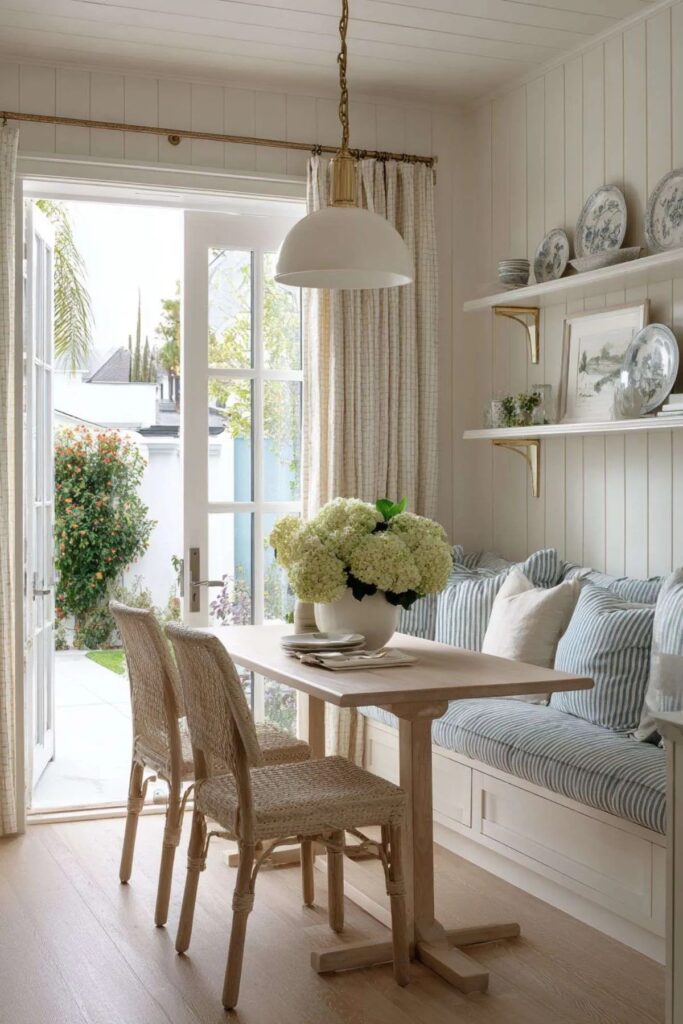
If some of your rooms feel a bit gloomy, don’t worry! There are several strategies you can employ to brighten them up. First, consider the color palette of your walls. Light, neutral shades can reflect more light, making a room feel airier.
Moreover, the right furniture arrangement can also help. Avoid heavy, dark furniture that can absorb light. Instead, opt for lighter pieces that lift the space.
Investing in mirrors is another brilliant idea to enhance light. They can reflect natural light, creating the illusion of a larger, brighter room.
The Psychological Impact of Light
Interestingly, the type of light you have can affect your mental state. Studies suggest that well-lit spaces can boost creativity and focus, while dimly lit environments might lead to a sense of calm or even melancholy.
So, how can you harness this knowledge? Consider incorporating a variety of lighting options—ambient, task, and accent lighting. This layered approach not only brightens your home but also creates a dynamic atmosphere that can adapt to different moods and activities.
Choosing the Right Lighting Fixtures
When it comes to artificial lighting, the choices are endless. But, how do you select the best fixtures for your home?
- For general illumination, ceiling fixtures or recessed lighting works wonders.
- Task lighting, such as desk lamps or under-cabinet lights, is essential for workspaces.
- Accent lighting can highlight art pieces or architectural features.
Also, consider smart lighting options. These allow you to control brightness and color, tailoring the ambiance to suit your needs.
Embracing Seasonal Changes in Light
Keep in mind that natural light varies with the seasons. In winter, you might notice shorter days and less sunlight. In contrast, summer offers long, bright days.
By adjusting your home decor with the seasons—like using heavier fabrics in winter and lighter ones in summer—you can create a cozy atmosphere that reflects the time of year.
Ultimately, understanding how light interacts with your home can lead to a more harmonious living environment. So, take some time to evaluate the light in your spaces and consider how you can enhance it for a happier, more inviting home.