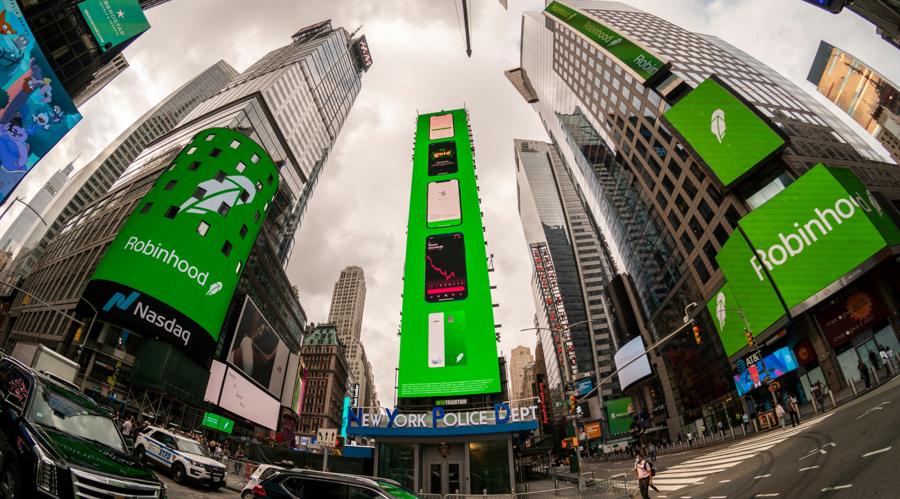
Robinhood has made headlines by investing $75 million in OpenAI, the innovative company behind ChatGPT. This significant investment was facilitated through Robinhood Ventures Fund I, a platform designed to democratize access to private tech firms that were once exclusive to venture capitalists. But why does this matter, and how does it impact you as a retail investor? In this article, we’ll explore what this investment means for the future of both Robinhood and the broader investment landscape, especially in the realm of artificial intelligence (AI).
You’ll discover how this move symbolizes a shift in investment opportunities, allowing everyday investors to participate in groundbreaking technology. We’ll also touch on Robinhood’s ambitions and the implications of this investment in the context of OpenAI’s staggering market valuation.
Robinhood Ventures Fund I: A New Era for Retail Investors
Robinhood Ventures Fund I is challenging traditional investment norms by making private markets accessible to you. Launched recently on the New York Stock Exchange, this fund aims to offer retail investors a chance to invest in a diverse range of private technology companies. With OpenAI as one of its latest acquisitions, the fund underscores its commitment to bringing cutting-edge technology investments to a wider audience.
Investors can expect to see familiar names in their portfolio, including Stripe, Databricks, Revolut, and ElevenLabs. This strategy not only diversifies your investment options but also aligns with the growing interest in artificial intelligence and fintech.
Understanding the Implications of Investing in OpenAI
The $75 million stake in OpenAI is noteworthy, especially considering the company’s most recent funding round, which valued it at a staggering $122 billion. While Robinhood’s investment might seem modest in comparison, it signals a significant shift in how retail investors can engage with transformative companies.
This investment reflects Robinhood’s ambition to empower you to invest in the future of technology. As AI continues to dominate the market, more investors are eager to participate in this rapidly evolving sector.
Shifting Dynamics: The Evolving Relationship Between Robinhood and OpenAI
Interestingly, the relationship between Robinhood and OpenAI has not always been smooth. Just last year, OpenAI criticized Robinhood over its «stock tokens» in Europe, claiming they misrepresented actual equity. Despite this rocky history, their recent partnership suggests a thaw in relations, indicating that both companies recognize the potential benefits of collaboration.
This renewed partnership could pave the way for more innovative financial products for retail investors. After all, the landscape of investment is changing, and both companies seem poised to adapt to new market realities.
The Growing Demand for Private Tech Investments
As the interest in private technology companies surges, you might wonder how this affects your investment strategy. With firms like SpaceX also looking to allocate a significant portion of their IPO to retail investors, it’s clear that the barriers to entry for everyday investors are diminishing.
Now is an exciting time to be a retail investor, as access to revolutionary tech firms becomes more attainable. The trend of technology companies remaining private for extended periods allows them to gather substantial funding while retaining control, making these investment opportunities even more appealing.
In summary, Robinhood’s investment in OpenAI marks a pivotal moment for retail investors, opening doors to innovative technologies that were once out of reach. As the landscape shifts, it’s essential to stay informed and ready to seize these opportunities.