In recent years, the battle against financial fraud has taken on new dimensions, especially as technology evolves. You might wonder how financial institutions can keep pace with increasingly sophisticated scams. Singapore is leading the charge by testing innovative methods that harness collaboration among banks, law enforcement, and regulatory bodies. Through this initiative, they aim to develop a comprehensive fraud detection system that goes beyond isolated bank data. In this article, we will explore how these efforts are reshaping the landscape of fraud prevention, the role of artificial intelligence, and what this means for the future of financial security.
Collaborative Fraud Detection: A New Approach
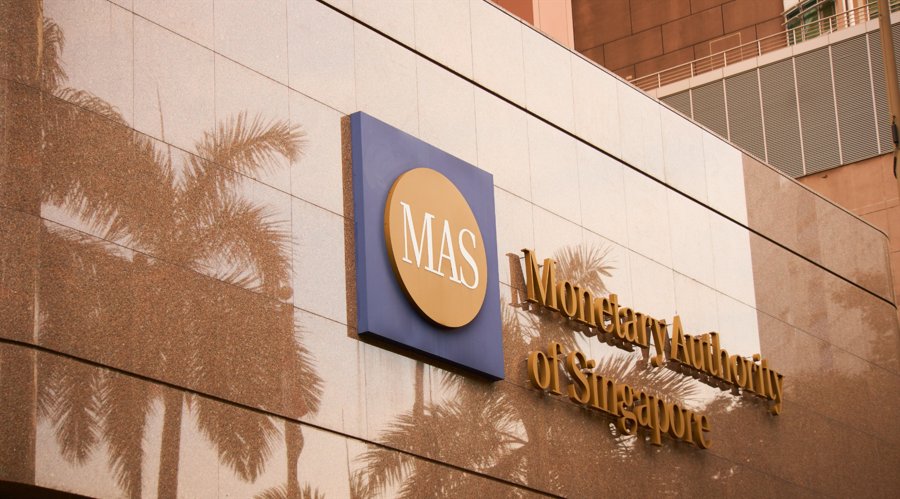
Singapore is pioneering a collaborative framework for fraud detection that involves multiple stakeholders. This initiative led by the Monetary Authority of Singapore (MAS) focuses on sharing data across banks and law enforcement agencies. Instead of relying solely on individual institutions to monitor transactions, this approach seeks to create a more extensive and robust monitoring system. By pooling information, financial institutions can uncover patterns that might otherwise go unnoticed.
Harnessing AI for Enhanced Fraud Monitoring
You may be curious about how artificial intelligence fits into this framework. MAS is testing various AI models that can analyze cross-bank and public-private data to identify suspicious payment chains. These models aim to enhance fraud detection by recognizing relationships that might indicate fraudulent activity. The goal is clear: to intervene sooner and minimize potential losses. MAS has yet to reveal which banks are involved or the specific datasets being utilized, but the implications are significant.
Addressing Limitations of Current Systems
Traditional fraud detection methods often fall short, as they only provide a fragmented view of transactions. Each bank typically sees only part of the transaction chain, which makes it challenging to identify scams that span multiple institutions. By combining efforts, stakeholders can pinpoint suspicious activities much earlier. This collaborative approach is expected to result in quicker interventions and a substantial reduction in financial losses due to fraud.
Global Trends in Fraud Prevention
Other countries are also exploring similar strategies, albeit at different stages. For example, the Hong Kong Monetary Authority has encouraged banks to utilize AI and network analytics to monitor authorized payment scams. They are investigating complex networks of suspicious accounts, collaborating closely with law enforcement for effective analysis. Meanwhile, the UK’s Financial Conduct Authority is employing machine learning to identify potentially fraudulent online activities, showing that this is a global fight against fraud.
The Role of PathFin.ai in Financial Innovation
In addition to these collaborative efforts, MAS is also nurturing innovation through its PathFin.ai program. This platform connects financial institutions with validated AI solutions, aiming to ease the burden of technology adoption for smaller entities. As of now, over 300 participants have joined the initiative, highlighting the growing interest in AI tools for fraud prevention. By streamlining access to these solutions, MAS hopes to level the playing field in the financial sector.
Future Prospects: What Lies Ahead?
The findings from Singapore’s collaborative fraud detection tests are expected by the end of 2026. This will be a pivotal moment in understanding whether shared data can effectively disrupt scam flows before they lead to fraudulent transactions. The potential for this initiative could reshape how financial institutions worldwide approach fraud detection.
In a rapidly evolving digital landscape, the importance of these advancements cannot be overstated. After all, as scams become more sophisticated, so must our strategies to combat them. Will these collaborative efforts set a new standard for fraud prevention globally? Only time will tell, but Singapore’s initiative marks a significant step in the right direction.