Imagine it’s Friday evening, and you want to reconnect with a friend who lives across the country. Instead of the usual video call, where you might feel like you’re part of a stiff corporate meeting, why not dive into a fun, cooperative gaming session? Picture this: running around in a vibrant virtual world, collecting resources, and sharing laughs while your digital avatars engage in lighthearted tasks. This is the essence of social gaming—a dynamic way of bonding that transcends the screen.
In this article, we’ll explore the concept of social gaming, its evolution, the significance of physical venues, and how architecture plays a crucial role in fostering connection. We’ll also delve into the philosophies behind modern gaming interactions and answer some common questions about this engaging trend. So, are you ready to discover how gaming can enhance your social life?
Understanding Social Gaming: A New Era of Connection
At its core, social gaming is not just about competition; it’s about fostering relationships through shared experiences. This design philosophy utilizes games as a medium for human connection, transforming the way we interact online and offline. Rather than merely engaging in high-stakes competition, social gaming encourages participation in low-pressure activities. This makes it easier to connect with others naturally.
Think about it—when you engage in cooperative gameplay, whether in a digital space or at a physical venue, you create opportunities for conversation. By giving players something to focus on together, these games act as interaction buffers that facilitate bonding. Isn’t that a refreshing change from the often isolating experience of traditional gaming?
Physical Venues: The Role of Architecture in Social Gaming
When it comes to social gaming, the layout of a venue matters significantly. Many people venture out to socialize, not just to play games. However, traditional setups often fail to encourage interaction. The good news? Modern venues are changing this dynamic.
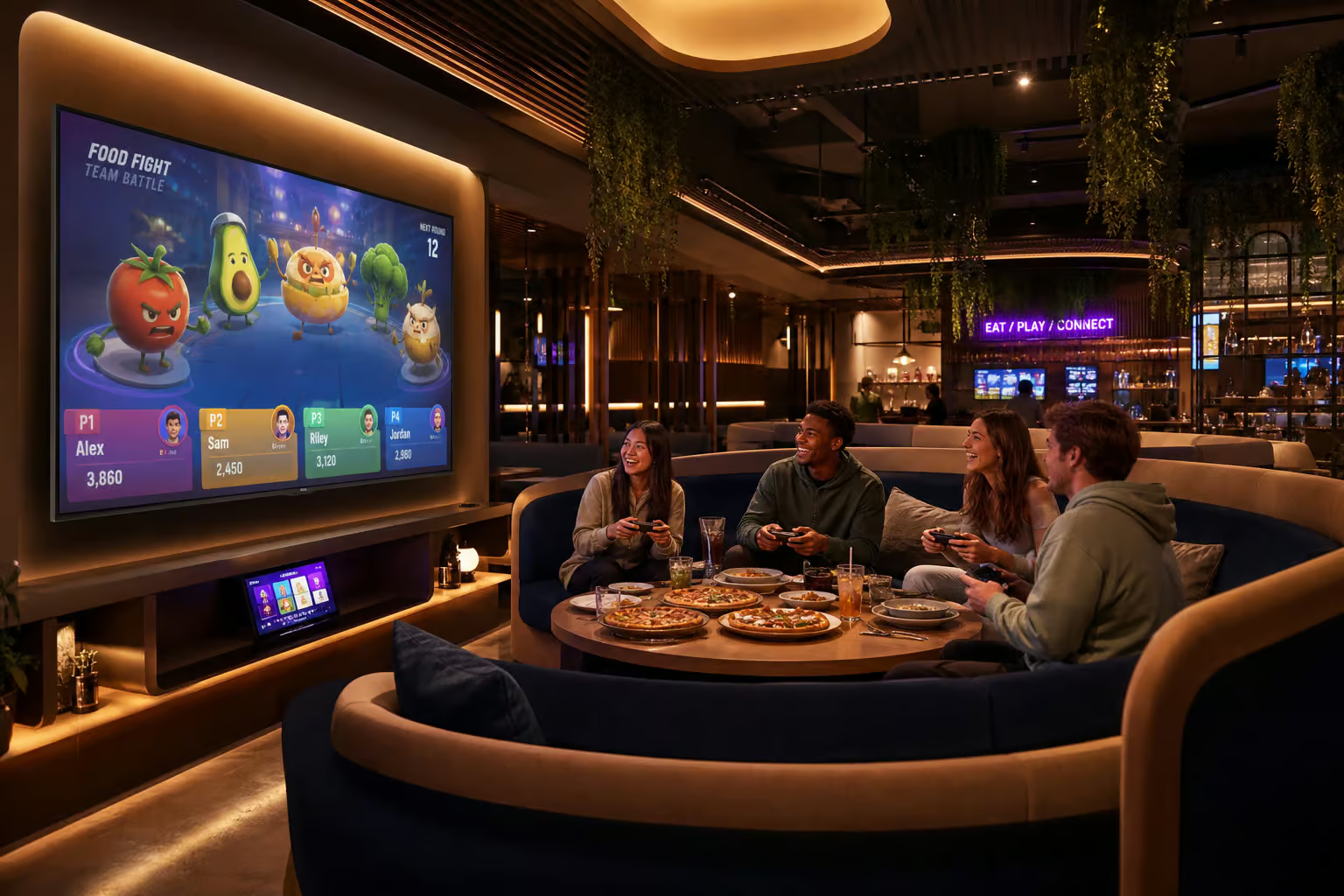
To promote connection, successful venues utilize what we call “zoning math.” This means placing dining and gaming areas within the same space, allowing players to enjoy food and games simultaneously. No longer do you have to choose between a quiet booth for eating and a noisy game room. Instead, everything is integrated, creating a more communal atmosphere.
Moreover, seating arrangements play a vital role. Curved couches or specially designed tables ensure that players face each other, enhancing conversation and social interaction. So, the next time you’re out at a gaming venue, notice how the layout can influence your experience.
The Psychology Behind Social Connections
Our need for social interaction is deeply rooted in our evolutionary biology. Historically, humans thrived in cooperative, tight-knit groups. We built bonds through shared activities like hunting, gathering, and playing games. This instinct hasn’t changed, even in today’s digital age.
As we emerged from the pandemic, there was a noticeable increase in people seeking out social entertainment. This shift wasn’t just a trend; it highlighted our innate desire for connection. Engaging in physical gaming alongside friends satisfies our fundamental need for social bonding. It’s about more than just the game; it’s about the shared experience and the joy of being together.
The Economics of Social Gaming
Most social gaming platforms operate on a free-to-play model, making them accessible to a broader audience. But behind the fun lies a complex payment system designed to keep everything running smoothly. Developers rely on microtransactions and subscription models to fund their platforms, ensuring a seamless experience for players.
In this digital landscape, security is paramount. Companies use specialized payment systems to facilitate transactions, preventing hiccups that could disrupt the gaming experience. This infrastructure ensures that whether you’re gifting a teammate or purchasing a new avatar, your experience remains secure and enjoyable.
Frequently Asked Questions
What is the meaning of social gaming?
Social gaming is a design approach that emphasizes human connection through gaming, using low-pressure activities to foster conversation and bonding among players.
What is an example of a social game?
Examples include cooperative games where players work together to build virtual worlds, or modern ‘eatertainment’ venues where games and dining are integrated.
Is social gaming gambling?
No, social gaming focuses on collaboration and communication rather than betting money for profit. It’s about enjoying the experience together.
What distinguishes competitive gaming from social gaming?
Competitive gaming is intense and often excludes social interaction. In contrast, social gaming prioritizes relaxed cooperation and relationship-building over winning.
How does venue design affect social gaming?
Effective venue design uses “zoning math” to keep gaming and dining areas together, encouraging players to engage with one another rather than just the screen.
Why prioritize cooperative over competitive mechanics?
Cooperative gameplay reduces stress and allows for more casual conversation, making it easier for players to connect.
Can I maintain friendships through gaming without being online simultaneously?
Absolutely! Asynchronous gaming allows you to leave messages or items for friends, fostering connections without needing to coordinate playtime.