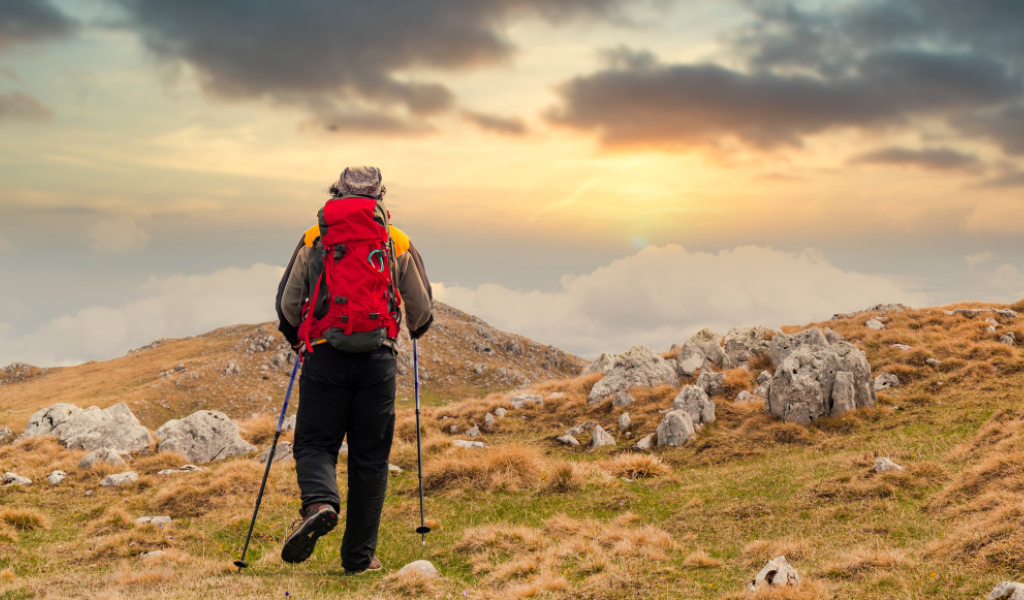
Solo hiking offers a unique opportunity to immerse yourself in nature while reconnecting with your inner self. If you’ve ever felt the desire to escape the hustle and bustle of daily life, then strapping on your hiking boots alone might just be the perfect remedy. This article explores the myriad benefits of taking on the trails solo, including physical fitness and mental clarity. Are you ready to discover how solo trekking can transform both your body and mind?
In the following sections, we will delve into the physical advantages of hiking alone, the mental benefits of solitude, how to effectively manage your journey, and ways to connect with the larger hiking community. Each of these aspects highlights why solo hiking is not just an escape, but a path to personal growth and self-discovery.
The Physical Advantages of Solo Hiking
Hiking is not just a leisurely stroll; it’s an intense workout that engages your entire body. Engaging in solo hikes can significantly improve your cardiovascular health and strengthen your muscles. With no one else to match your pace, you can find your rhythm, making your workout as intense or as gentle as you desire.
Enhancing Physical Strength and Coordination
Navigating a rugged trail challenges your stabilizer muscles far more than a treadmill ever could. Every step on uneven ground requires micro-adjustments in your body, particularly in your ankles and core. Consequently, regular solo hikers often enjoy several key benefits:
With the freedom to choose trails that align with your fitness levels, you can customize your experience to suit your goals.
Finding Clarity in Solitude
The mental benefits of solo hiking are perhaps the most profound. Spending time alone in nature serves as a mental detox, allowing your mind to reset and rejuvenate.
Stress Relief and Cortisol Reduction
Research has shown that even short periods spent in nature can lower cortisol levels, the hormone associated with stress. When you embark on a solo hike, your brain can take a well-deserved break from constant problem-solving and multitasking.
Heightened Awareness
Have you ever noticed how your senses sharpen when you’re alone in nature? Without distractions, you become more attuned to the world around you. Whether it’s the rustling leaves or the distant sound of flowing water, these experiences deepen your sense of presence and self-reliance. Each decision you make along the trail—from when to stop for a break to which path to take—builds your confidence.
Planning Your Solo Adventure
Planning is a crucial aspect of solo hiking. As the sole navigator of your journey, you’ll need to ensure that your trip is both enjoyable and safe.
Prioritize Your Safety
Safety should always be at the forefront of your planning. Though risks can be managed, they require a proactive approach:
Communicate Your Itinerary
Pack Necessary Gear
Check Weather Conditions
Consider Using a Satellite Messenger
Taking responsibility for your safety enhances your sense of competence and achievement.
Embracing Solitude
Do you find the idea of being alone intimidating? Solo hiking can help you shift from feeling lonely to enjoying solitude.
From Loneliness to Empowerment
While loneliness can feel isolating, solitude is a conscious choice that fosters personal growth. As you hike, you’ll find comfort in your own company and the beauty of nature. You may even notice how your thoughts evolve as you continue along the trail, allowing worries to fade as you focus on each step ahead.
Start Small
If this is your first solo adventure, consider beginning with local parks or popular trails. Once you feel more at ease, you can venture to more remote locations, transforming simple walks into multi-day excursions.
The Freedom of Choice
One of the greatest joys of solo hiking is the freedom to create your own itinerary.
Eat When You Want
Stop for Unforgettable Views
Change Your Plans as Needed
This level of independence is refreshing. It allows you to prioritize your desires and interests, separate from the expectations of everyday life.
Building Connections in the Hiking Community
Choosing to hike alone doesn’t mean you have to isolate yourself.
You can engage with fellow hikers along the way, forming brief but meaningful interactions. Shared experiences foster a sense of community and camaraderie among those who appreciate the wilderness.
Utilizing Resources
Numerous resources are available to those interested in solo hiking. Online forums, social media groups, and dedicated apps can help you plan your excursions. These platforms often offer updates on trail conditions and insights from other hikers, allowing you to feel connected to a larger network.
Embarking on Your Solo Journey
Solo hiking trips are invaluable experiences that cultivate resilience and self-awareness. While the physical exertion may leave you fatigued, the mental clarity and sense of accomplishment you gain are unparalleled.
Ultimately, hiking alone is more than just exploring new landscapes; it’s a practice that enriches your relationship with yourself and the natural world. So, lace up those boots and take that first step into the great outdoors!