The landscape of proprietary trading is shifting dramatically, and it seems that competition is intensifying in this field. Recently, Propel Capital announced its closure just over a year after its debut, citing unsustainable operations due to fierce rivalry. This closure raises some important questions: What does this mean for other firms in the industry? Are we witnessing a larger trend affecting the trading environment?
In this article, we’ll explore the current state of proprietary trading firms, the emergence of new players in the CFD market, and how recent developments in various regions are shaping the financial landscape. From regulatory changes in Africa to innovative offerings from established firms, let’s delve into what’s happening in the world of trading.
Prop Trading Firms: A Competitive Struggle
The recent shutdown of Propel Capital underscores a significant challenge facing many prop trading firms today. As competition heats up, many companies are slashing fees and loosening trading guidelines to attract clients. Founder and CEO Mitchell Ali openly discussed this pressure on social media, emphasizing that sustaining operations in such an aggressive market became impossible.
Why is this important? Well, the exit of firms like Propel Capital could signal a consolidation trend, potentially affecting available options for traders looking for prop firms. The competitive environment may push existing firms to innovate or risk losing their market share.
CFD Market Growth: New Opportunities
While the prop trading sector faces difficulties, the contract for differences (CFD) market is thriving. Recently, Libertex Group launched a new offshore CFD broker named LBX, which is already making waves. With a sponsorship deal involving the KICK Sauber Formula 1 team, LBX aims to attract a diverse clientele by offering services in multiple languages, including Spanish and Thai.
This expansion suggests that while some areas of trading are contracting, others are flourishing, providing new opportunities for investors. Such developments can serve as a lifeline to traders who may find themselves seeking alternatives as prop firms falter.
Regional Developments: A Global Perspective
The financial landscape is also changing on a regional scale. For instance, Plus500 recently opened its first office in Colombia after securing authorization from local regulators. Furthermore, the company is actively pursuing a license in Chile, indicating a commitment to expanding its presence in Latin America.
In the Middle East, MultiBank Group is setting up an office in Abu Dhabi, targeting both retail and institutional customers. This move not only establishes a foothold in the UAE but also reflects the growing importance of the Middle Eastern market in global finance.
Emerging Regulations: Focus on Forex and Crypto
In Africa, Ghana is taking steps to regulate forex trading, a significant move that can enhance market stability and investor confidence. The Securities and Exchange Commission is developing a framework to govern this sector, which could pave the way for other countries to follow suit.
On another front, the crypto industry is facing its own set of challenges. A recent study found that 40% of UK crypto investors have encountered payment delays or blocks when trying to purchase digital assets. This situation underscores regulatory gaps that can hinder access to cryptocurrencies, prompting calls for more robust regulations.
Innovations in Trading: Interest on Idle Cash
In a notable shift, eToro announced it will offer up to 4.3% annual interest on idle cash held in customer accounts. This initiative aims to generate returns on funds not actively used for trading. Such features are becoming increasingly popular among retail brokers, as they provide an incentive for clients to keep their funds within the platform.
This move aligns eToro with other brokers who have adopted similar strategies, reflecting a broader trend in the industry where firms look to offer more value-added services to retain customers.
Recent Developments in the Financial Sector
Additionally, companies like Dukascopy Bank and Fortrade are reporting stronger financial results, highlighting improved profitability amid a challenging market. Dukascopy Bank has shown significant growth compared to the previous year, while Fortrade’s increased client activity has boosted profits.
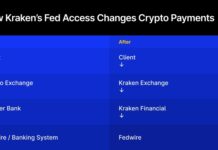
Moreover, Kraken’s acquisition of Capitalise.ai, a developer of no-code trading automation tools, signifies the growing importance of technology in trading. This integration aims to empower a wider range of traders by making advanced strategies more accessible.
In summary, the financial trading sector is in a state of flux. While some prop trading firms struggle to survive, others are seizing opportunities to expand. Keeping an eye on these developments can help you navigate this ever-changing landscape effectively.