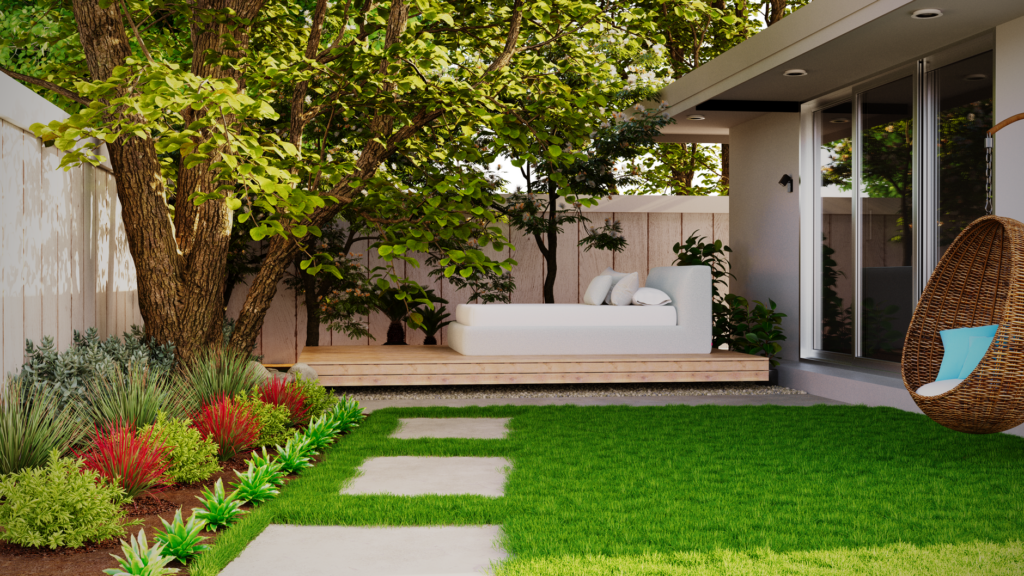
Creating a captivating landscape doesn’t just happen overnight. In fact, the foundation of an effective landscape design process starts well before the first shovel hits the ground. You’re probably wondering, what’s the secret to a stunning outdoor space? Well, it all kicks off with a comprehensive site assessment. This crucial step involves evaluating various factors, including grading, drainage, soil quality, and sunlight exposure. By understanding these elements, you set the stage for a beautiful and functional landscape.
In this article, we will explore the essential steps to ensure your landscape design is not only visually appealing but also sustainable and practical. From site evaluations to plant selections, you’ll learn how to create an outdoor environment that enhances your property’s value and aesthetic. So, let’s dig in and discover how to transform your outdoor space into something remarkable!
Understanding Your Site: The Importance of a Comprehensive Assessment
Before diving into design ideas, it’s vital to assess your site thoroughly. This includes:
- Grading: Analyzing the slope of your land helps manage water runoff effectively.
- Drainage: Proper drainage prevents water accumulation, protecting plants and structures.
- Soil Quality: Testing your soil reveals its nutrient content, pH levels, and texture, which influence plant health.
- Sunlight Exposure: Understanding how much sun different areas receive helps in selecting the right plants.
By gathering this information, you can make informed decisions that support a thriving landscape.
Collaborating with Professionals: Why Communication is Key
After assessing the site, it’s time to talk. Engaging with landscape designers and architects is crucial. But why? Because they bring expertise that can elevate your vision. Discuss your goals, budget, and any preferences you have. Clear communication about your expectations helps create a cohesive plan tailored to your needs.
Moreover, consider discussing environmental factors, such as local wildlife and climate conditions. This information can influence the choice of materials and plants. It’s all about creating synergy between your ideas and professional insight.
Designing for Functionality and Aesthetics
Once you have a solid understanding of your site and have collaborated with experts, the fun part begins: designing your landscape! Think about how you want to use your outdoor space. Is it for entertaining guests, gardening, or simply relaxing?
When planning your layout, consider these aspects:
- Paths and Walkways: Create clear routes that guide people through your space.
- Zones: Designate areas for different activities, such as dining or play.
- Plant Selection: Choose plants that thrive in your specific conditions and fit your aesthetic vision.
- Hardscaping: Incorporate patios, decks, or retaining walls to enhance usability.
A well-thought-out design balances beauty with practicality.
Implementing Sustainable Practices
As you move forward, think about sustainability. Incorporating eco-friendly practices not only benefits the environment but can also reduce long-term maintenance costs. Here are some sustainable strategies to consider:
- Native Plants: These require less water and maintenance, adapting well to local conditions.
- Xeriscaping: This landscaping method uses drought-resistant plants to conserve water.
- Rain Gardens: These help manage runoff and improve local water quality.
- Composting: Recycle organic waste to enrich soil naturally.
By embracing sustainability, you’re not just enhancing your landscape; you’re contributing to a healthier planet.
Final Touches: The Art of Detailing
As you finalize your design, don’t overlook the details. The finishing touches can make a significant impact. Think about lighting, furniture, and decorative elements that complement your overall vision. For instance, outdoor lighting can enhance safety and create ambiance, while carefully chosen furniture can provide comfort and style.
Remember, every element should work in harmony to create a cohesive outdoor experience. Your landscape is more than just a yard; it’s an extension of your home and lifestyle. So, take your time with these final choices.