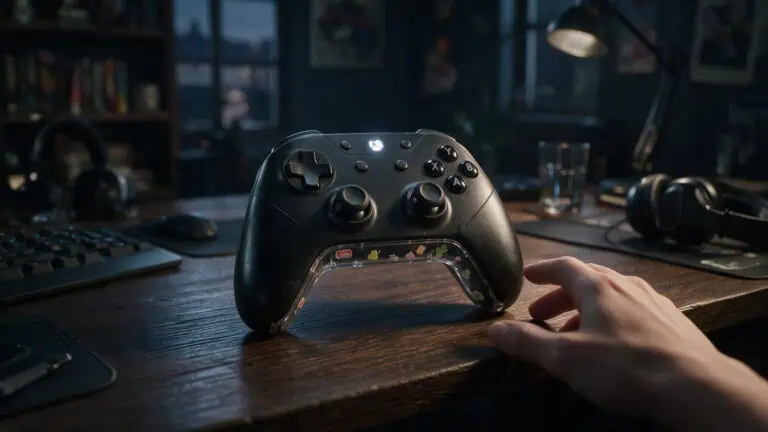
Understanding Excessive Gaming: The Hidden Drivers and Solutions
Have you ever wondered why gaming can feel so irresistible, even when you know it might be excessive? You’re not alone. Many gamers find themselves drawn to their consoles or PCs during moments of boredom. What if I told you that this behavior stems from a combination of psychological needs that gaming uniquely fulfills? In this article, we’ll dive into the science behind your gaming habits, explore why traditional alternatives often fall short, and outline a variety of engaging hobbies that can satisfy the same urges gaming does.
Gaming is not just a pastime; it’s a complex activity that caters to several fundamental human needs: mental stimulation, low-effort relaxation, and social interaction. Understanding these elements can help you craft a balanced portfolio of hobbies that can effectively replace excessive gaming without leaving you feeling unfulfilled. So, are you ready to explore your options?
Your Brain and Gaming: Why Other Activities Seem Dull
Have you ever noticed how mundane activities start to feel when you’re frequently gaming? This phenomenon can be explained through several mechanisms identified by experts like Dr. Alok Kanojia from Healthy Gamer.
Firstly, dopamine tolerance plays a key role. Extended gaming sessions can elevate your brain’s reward threshold, making activities such as reading or chores feel less engaging. You might find yourself scrolling through a book and thinking it’s painfully slow compared to the fast-paced thrills of your favorite game.
Next, consider the amygdala shutdown. Research shows that gaming can dampen the brain’s response to negative emotions, creating a temporary escape. While this might feel comforting, it can leave you ill-equipped to handle feelings of boredom or frustration when you’re not gaming.
Finally, games are designed around the triumph circuit, providing you with a series of artificial challenges and rewards. This can lead to alexithymia, or difficulty understanding your own emotions, as you become accustomed to a scripted sense of achievement.
The Triple Need: Why One Hobby Won’t Cut It
Gaming satisfies three distinct needs simultaneously:
- Mental Engagement: The thrill of strategy and challenge.
- Rest: A low-energy escape from daily stressors.
- Social Connection: Interaction with friends and community.
Because of this, simply replacing gaming with one hobby often falls flat. For instance, while reading may fulfill your need for relaxation, it lacks the adrenaline rush of a first-person shooter or the camaraderie found in a multiplayer game. You’ll need a diverse range of activities to truly fill the gap.
Why Traditional Alternatives Often Fail
Let’s face it: common suggestions like “just read a book” or “go play outside” often don’t hit the mark. Here’s why:
- Reading: If your brain is used to the instant gratification of gaming, diving into a novel can feel tedious.
- Board Games: While they seem like a natural alternative, the pace can feel agonizingly slow.
- Outdoor Activities: Telling someone to play outside might not address the root causes of their gaming habits, especially if they’re using gaming as a way to escape bullying.
- Chores: Staying in the same environment as your gaming setup doesn’t help break the cycle.
Match Your Hobbies to Your Gaming Preferences
Understanding your favorite game genre can guide you toward fulfilling hobbies. Here’s a quick breakdown:
- FPS and Sports Gamers: Consider martial arts or competitive sports for that adrenaline rush.
- MMORPG and Clan Gamers: Volunteering or joining clubs can satisfy your need for community.
- Strategy and CCG Gamers: Explore coding or stock market simulations for that strategic thrill.
- Adventure and RPG Gamers: Engage in hiking or creative writing for exploration and storytelling.
Engaging Hobbies: The Grind Category
If you’re looking for mentally stimulating activities, try:
- Learning a New Language: It’s like leveling up your brain.
- Playing an Instrument: This offers immediate feedback and skill progression.
- Computer Programming: Start small and gradually tackle bigger projects.
- Starting an Online Business: Manage resources and face real-world challenges.
Restful Hobbies: The Casual Mode Category
For those times when you want to unwind, consider:
- Listening to Podcasts: Passive engagement for your brain.
- Cooking: A hands-on task with immediate rewards.
- Graphic Design: Explore your creative side through visual arts.
- Drawing: A low-barrier activity to express creativity.
Social Hobbies: Building Connections
Looking to replace the multiplayer aspect of gaming? Here are some ideas:
- Meetups: Connect with people who share your interests.
- Sports Teams: Engage in teamwork and strategy.
- Volunteering: Work toward a common goal with others.
- Dance Classes: A fun way to stay active and meet new people.
From Consumer to Creator: Shifting Your Focus
You don’t have to completely abandon gaming. Transitioning from player to creator can be rewarding. For instance:
- Become a Video Game Tutor: Share your expertise and connect with others.
- Start a YouTube Channel: Learn video production while engaging with an audience.
- Learn to Code: Build skills that are relevant in today’s job market.
How Parents Can Support Without Resentment
If you’re a parent, consider these strategies to help your child reduce gaming without creating conflict:
- Team Up: Collaborate with your child to tackle gaming habits together.
- Know Their Genre: Understanding what they enjoy can help you suggest better alternatives.
- Avoid Ineffective Replacements: Don’t push activities that won’t resonate with them.
Understanding Cognitive Barriers: Open-Ended vs. Close-Ended Problems
Gaming trains your brain for close-ended problems, while real-life tasks are often open-ended and vague. Breaking tasks into smaller, manageable objectives can make them feel more like quests.
When a Hobby List Isn’t Enough
Sometimes, you may find that a simple list of hobbies won’t suffice. If gaming is affecting your life significantly, you might need structured support. Programs like coaching or specialized treatment can provide the guidance you need.
By understanding these dynamics, you can start to explore fulfilling hobbies that resonate with your unique interests and gaming experiences. So, what will your first step be?