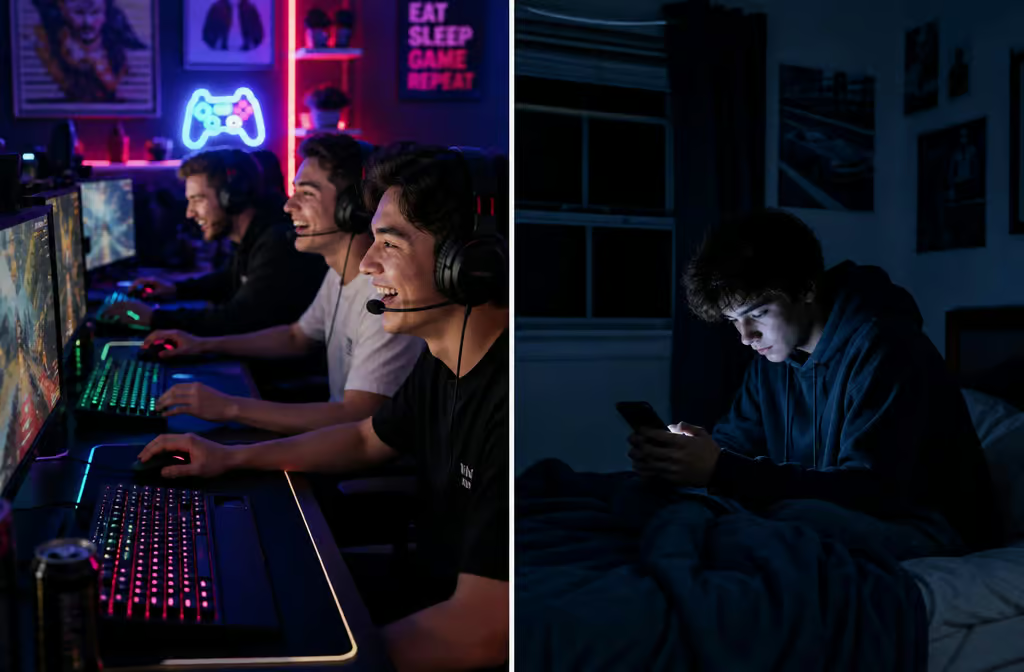
Taking a break might seem counterintuitive when you’re trying to conquer challenging video games, but it can be one of the most effective strategies to enhance your performance. Have you ever felt stuck in a game, battling the same boss for hours without progress? You might be surprised to learn that stepping away can actually be your best move. In this article, we’ll explore how taking breaks can lead to better gaming outcomes, highlighting personal experiences and research-backed strategies to keep your gameplay fresh and enjoyable.
Why Pausing Can Improve Your Game
When you take a break, your brain continues to process the information and patterns you’ve encountered. For example, after an intense three-hour session against Manus, Father of the Abyss, I was left frustrated. Yet, when I returned a week later, I executed the fight flawlessly without taking a hit. The key was the pause; my brain had time to consolidate everything it had learned.
In my experience with Guilty Gear Strive, despite investing over 500 hours into the game, I found that my muscle memory improved significantly during breaks. It took time, but once I allowed my mind to rest, I could finally execute complex combos with ease.
The Impact of the Tilt Threshold
Have you ever experienced that moment when winning no longer feels satisfying? In my case, playing Heroes of the Storm became a chore. Even victories felt like a burden rather than a celebration. This is what’s known as reaching the tilt threshold—when frustration overshadows joy.
When you enter this state, it becomes a vicious cycle: poor performance leads to irritation, which then compounds your mistakes. Recognizing this cycle is crucial; stepping away when you notice these feelings can prevent negative spillover into other areas of your life.
Micro-Breaks: The Power of Small Pauses
Taking longer breaks is beneficial, but what about shorter ones? Implementing micro-breaks—just 30 seconds of movement after a death in-game—can be incredibly effective. I started jogging in place every time I lost a match. This not only re-energized me but also created a natural pause that allowed me to reset mentally.
Consider setting a timer for these mini-breaks. The consistency of short breaks can keep fatigue at bay and maintain focus.
Beyond Gaming: Finding Alternative Activities
When you’re not gaming, what do you do? It can be tempting to binge-watch shows or scroll through social media, but these activities often drain your energy rather than recharge it. Instead, consider engaging in more active or social pastimes.
In my own experience, spending quality time with family or taking my wheelchair outdoors provided a refreshing change of pace. This shift not only allowed me to recharge but also sparked my creativity when I returned to gaming.
The One-Week Reset: A Personal Challenge
Inspired by a sermon about fasting, I decided to take a week off from gaming—except for work-related projects. This break wasn’t about quitting; it was about setting boundaries. The results were eye-opening. I found myself more engaged in real-life interactions and aware of my gaming habits.
During this week, I learned to appreciate the space away from the screen. Recognizing the pull of live-service games helped me understand that they can be paused; the fear of missing out is often manufactured.
Preparing for Your Return
When you finally pick up the controller again, you might feel rusty—this is normal. Starting with a familiar game can help rebuild your confidence. Don’t expect your skills to be at their peak right away; they will return with time and practice.
Understand that the first session back might feel off. Your fingers may hesitate, and your reactions could be slower. This isn’t a sign of failure but rather an opportunity to identify areas for improvement.
The Physical Side of Gaming Breaks
Extended gaming sessions can impact your physical well-being. Did you know that prolonged screen time can cut your blink rate in half? This can lead to dry eyes and eye strain. Taking breaks isn’t just about mental clarity; it’s essential for your physical health too.
Make it a habit to step away from the screen, especially before bed. Limiting screen exposure can significantly enhance your sleep quality, making your gaming sessions more enjoyable.
Designing Games for Breaks
Not all games require relentless grinding. Some developers are creating experiences that naturally allow for breaks. Games like MIO: Memories in Orbit offer flexible difficulty and options to ease the challenge. This kind of design encourages prolonged enjoyment without the stress of constant failure.
Special Considerations for Professional Gamers
If gaming is your job, taking breaks can be even more complicated. It’s crucial to define clear boundaries between work and leisure. I found that adhering to my gaming fast allowed me to focus better on my work, enhancing both creativity and productivity.
Start Your Break Today
Ultimately, the most powerful strategy isn’t just to grind harder but to know when to step back. Start small: implement micro-breaks, or designate gaming-free evenings. The goal is not to quit gaming entirely but to cultivate a healthier relationship with it. Embrace the pause; your gaming experience will thank you.