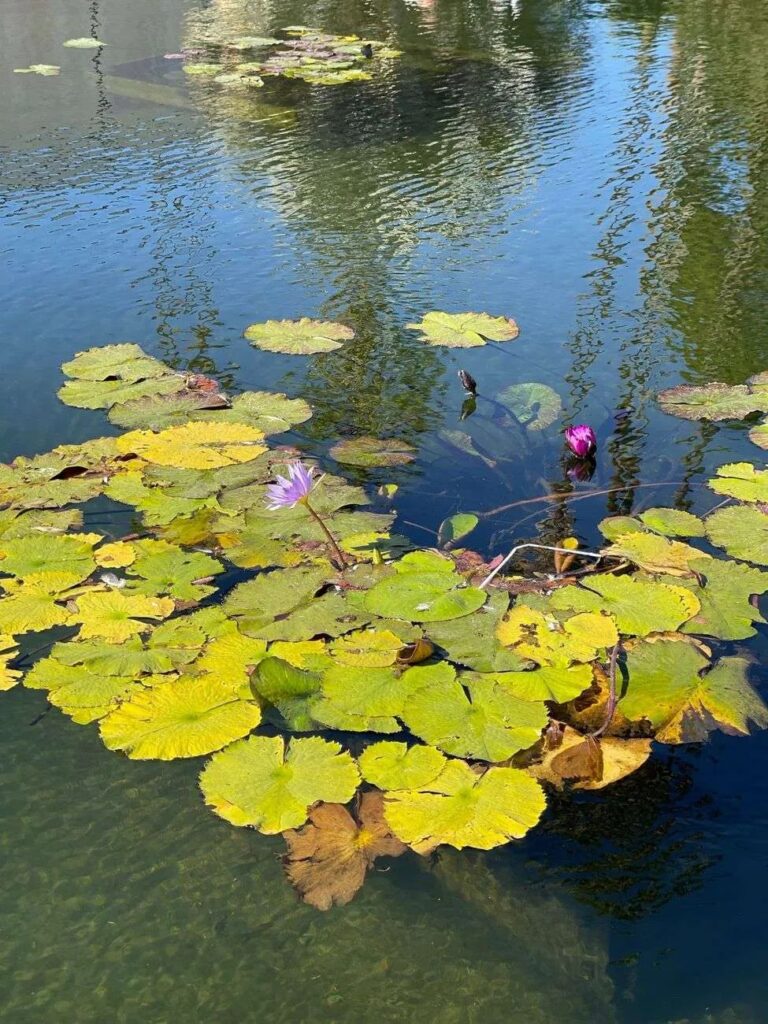
Have you ever gazed into a pond and noticed how serene it appears on the surface? However, beneath that tranquil facade lies a complex ecosystem that can face serious challenges. Understanding thermal stratification in ponds is crucial for maintaining a healthy aquatic environment. This phenomenon, where warm and cold water layers separate, can lead to a host of problems, including algae blooms, cloudy water, and undue stress on fish. In this article, we’ll explore how thermal stratification occurs, its effects on pond health, and practical solutions to mitigate these issues.
What is Thermal Stratification in Ponds?
Thermal stratification is a natural process that occurs in ponds and lakes, typically during warmer months. When the sun heats the water, the upper layer, known as the epilimnion, becomes significantly warmer than the lower layer, or hypolimnion. This temperature difference creates a barrier that prevents mixing of the two layers.
But why does this matter? Well, the stagnant warm water can lead to the growth of harmful algae and deplete oxygen levels in the cooler layer. As a result, fish and other aquatic life may struggle to survive, creating an unhealthy environment.
Effects of Thermal Stratification
The implications of thermal stratification can be severe. Here are some of the main issues that arise:
Have you noticed your pond looking murkier than usual? This could be a direct consequence of thermal stratification.
Solutions to Combat Thermal Stratification
Fortunately, there are several strategies you can implement to address these challenges:
Why not take an active role in your pond’s health? Implementing these solutions can significantly improve the overall ecosystem and enhance your enjoyment of the space.
Understanding the Temperature Dynamics
Thermal stratification can vary based on several factors, including time of year, weather conditions, and pond depth. During hot summer days, the upper layer heats up quickly, while the bottom layer remains cool. However, as the seasons change, especially in fall, these layers may mix again, restoring balance.
Isn’t it fascinating how nature works? This dynamic interplay of temperature can dramatically affect the living organisms within the pond.
Conclusion
In summary, thermal stratification is a critical factor in pond management. By recognizing its impact and taking proactive measures, you can ensure a thriving aquatic environment. Remember, a healthy pond not only enhances the beauty of your landscape but also supports a diverse range of wildlife. So, why not dive deeper into the care of your water feature today?