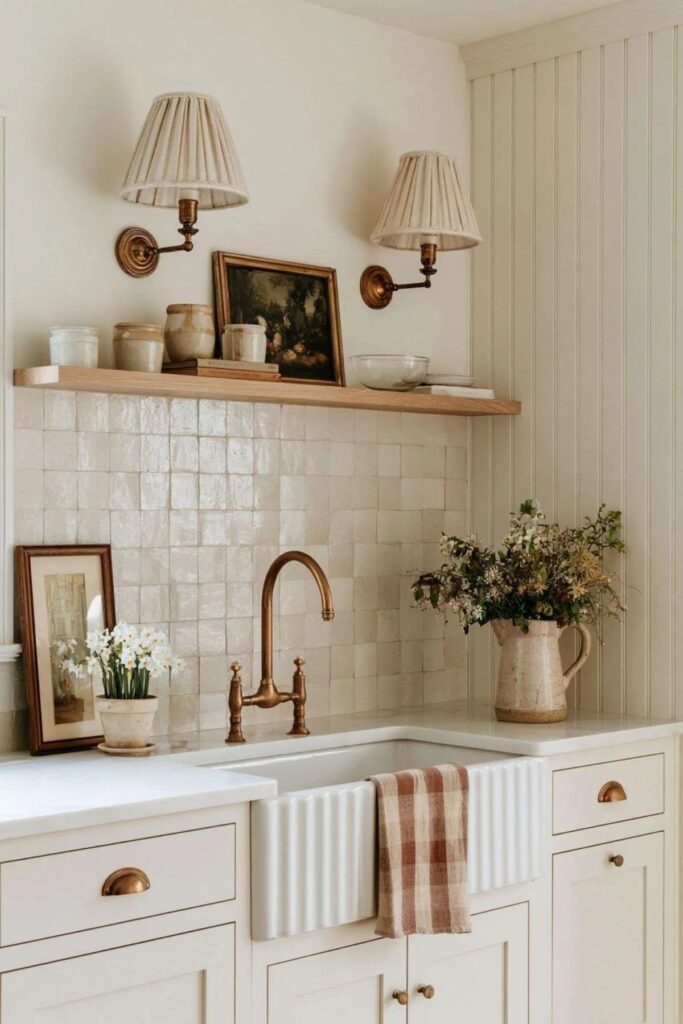
Choosing the right shade of white paint can feel like a daunting task. You might think it’s a straightforward decision, yet when you find yourself staring at a collection of nearly identical paint samples, the confusion sets in. Why does one look surprisingly warm while another seems to have a cool undertone? If you’ve ever felt overwhelmed in the paint aisle, you’re not alone. Understanding the nuances of white paint can truly transform your space, but how do you navigate this seemingly simple choice?
In this article, we’ll explore the fascinating world of white paint. You’ll learn about different undertones, how lighting affects your selection, and some tips to help you make the right decision for your home. So, let’s dive in and make choosing white paint a breeze!
Understanding the Undertones of White Paint
Not all whites are created equal. You might be surprised to discover that white paint can have a range of undertones, including:
Why is knowing this important? Because the undertones can significantly influence how a room feels. A warm white can make a space feel inviting, while a cool white can create a more spacious and airy atmosphere.
The Impact of Lighting on Your Choice
When selecting white paint, consider how lighting will affect your color choice. Natural light, artificial light, and even the time of day can alter the appearance of a shade.
For example, a white that looks perfect in daylight may appear stark under fluorescent bulbs. To ensure you’re making the best choice, observe how the paint looks at different times. Have you ever noticed how colors change based on the season? This is particularly true for whites, which can shift dramatically.
Testing Before Committing
It’s wise to test a few shades before making a final decision. Grab some sample pots and paint patches on your walls. Here are a few tips for a successful test:
By taking these steps, you’ll gain a clearer understanding of how each white interacts with your home’s unique light conditions.
Popular White Paint Shades to Consider
If you’re still feeling lost, here are a few popular white shades that homeowners often love:
These options are trusted by designers and homeowners alike for their versatility and ability to complement different styles.
Final Considerations When Choosing White Paint
When making your selection, don’t forget to consider the overall design of your space. Think about the furniture, flooring, and decor. Will the white you choose harmonize with other colors? And what about the mood you want to create?
Additionally, keep in mind that white paint can reflect your personal style. It can be a statement in itself or serve as a backdrop for your favorite art pieces. So, what will your chosen white say about your home?
Now that you have a deeper understanding of how to approach your white paint selection, you’ll find the process much more manageable. Happy painting!