Exploring Dark Tourism: Understanding Our Fascination with Death and Tragedy
Have you ever visited a place steeped in history where sorrow lingers in the air? Perhaps you’ve found yourself drawn to sites where tragedy unfolded, captivated by the stories that resonate from the past. This phenomenon, known as dark tourism, encompasses a variety of attractions, from solemn memorials to eccentric displays that challenge our perception of mortality. As you read this article, you will uncover the complexities of dark tourism, its ethical implications, and the reasons behind our curiosity. What drives you to explore these haunting locations?
In this article, we will delve into the spectrum of dark tourism, explore some significant sites around the globe, and discuss how to engage with these places respectfully. Are you ready to uncover the layers behind your next travel destination?
What Is Dark Tourism? Understanding the Concept
Dark tourism refers to travel that focuses on sites associated with death, tragedy, or the macabre. This concept stretches far beyond grim locations; it includes a wide array of experiences, from genocide memorials to quirky attractions like taxidermy exhibits. The term thanatourism, derived from the Greek word for death, encapsulates the intricate relationship between travel and human suffering.
However, what truly defines a dark tourism site? It’s not just about the presence of death, but rather the significance and context that make these locations impactful.
What Makes a Site Dark?
A site becomes classified as «dark» when its identity is closely linked to death or tragedy. Yet, the gravity of these sites varies significantly. Here’s a brief overview of the spectrum:
- Mass Atrocity Sites: Locations like Auschwitz or the Killing Fields demand reflection and respect.
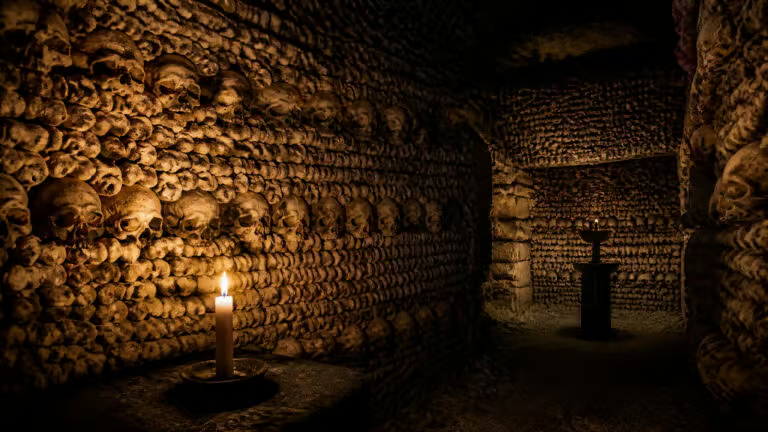
- Contextual Sites: Places such as the Catacombs of Paris offer a contemplative experience regarding mortality.
- Macabre Attractions: Quirky spots like Froggyland provide entertainment without the weight of historical tragedy.
Your conduct as a visitor should match the gravity of the site you’re exploring. Understanding this distinction is crucial for an enriching experience.
How Context Influences Visitor Behavior
The behavior expected at dark tourism sites is largely shaped by their nature. For example, at a genocide memorial, it’s inappropriate to take selfies or make light-hearted comments. You should approach these sites with a mindset of learning and remembrance.
Conversely, at places like Froggyland, laughter is entirely acceptable. The key is recognizing the emotional landscape of each site and responding appropriately.
Noteworthy Dark Tourism Sites: A Personal Journey
Throughout my travels, I’ve encountered various dark tourism sites that have shaped my understanding of this field. Here are some of the most impactful locations I’ve visited:
Sedlec Ossuary (Bone Church), Kutná Hora, Czech Republic
This ossuary contains the remains of tens of thousands of individuals arranged artistically into chandeliers and decorations. While it’s visually striking, visitors often struggle to balance appreciation with the underlying sorrow of the lives lost.
Tuol Sleng Genocide Museum (S-21), Phnom Penh, Cambodia
A former school turned into a detention center during the Khmer Rouge regime, Tuol Sleng serves as a haunting reminder of the atrocities committed. Walking through the museum, you are confronted with the stark reality of its history, making it a deeply moving experience.
Pompeii and Herculaneum, Italy
Buried by the eruption of Mount Vesuvius, these ancient cities offer a poignant glimpse into a moment frozen in time. The preserved ruins tell stories of daily life, tragedy, and the fragility of existence.
The Ethics of Dark Tourism: A Complex Debate
As you consider visiting dark tourism sites, ethical questions arise regarding the display of human remains and the commodification of suffering. For instance, the Mütter Museum in Philadelphia houses a collection of skulls acquired without consent. This raises a fundamental question: is it ethical to display human remains, even for educational purposes?
The debate continues, and while some argue for the importance of remembrance, others emphasize the need for consent and respect.
Why Do We Visit Dark Places? The Psychology Behind It
What compels people to gravitate toward dark tourism? Research indicates that nearly one in five travelers actively seeks out these experiences, often driven by a desire to confront mortality or to gain a deeper understanding of history.
Younger travelers, particularly those aged 25-34, show a higher interest in dark tourism sites. This may stem from a quest for authenticity and a yearning to connect with the past.
Practical Considerations for Dark Tourism
If you decide to explore dark tourism, here are a few practical tips:
- Research Your Destination: Understand the significance and history of the site you plan to visit.
- Be Respectful: Tailor your behavior to match the site’s gravity. Avoid taking selfies at solemn locations.
- Engage with Intention: Approach these sites with a mindset of learning and reflection.
Dark tourism offers a unique lens through which to understand history and human experience. By engaging with these sites thoughtfully, you can contribute to the ongoing dialogue surrounding memory and remembrance.
So, are you ready to embark on your own journey into the darker corners of history?