Smartphones are an essential part of our daily lives, but have you ever considered how vulnerable they are to damage? One simple drop can lead to costly repairs, often ranging from $200 to $500. Given the engineering marvel that modern smartphones represent, is it worth it to invest in a protective case, or are we just adding unnecessary bulk? Let’s dive into the world of phone cases and discover their true value in safeguarding your device.
In this article, we’ll explore the mechanics behind phone protection, material differences among various cases, and why even the best cases can fall short without additional measures. We’ll also discuss the hidden costs of neglecting your phone’s safety and answer common questions about smartphone protection.
The Mechanics of Smartphone Protection: Understanding Impact Dynamics
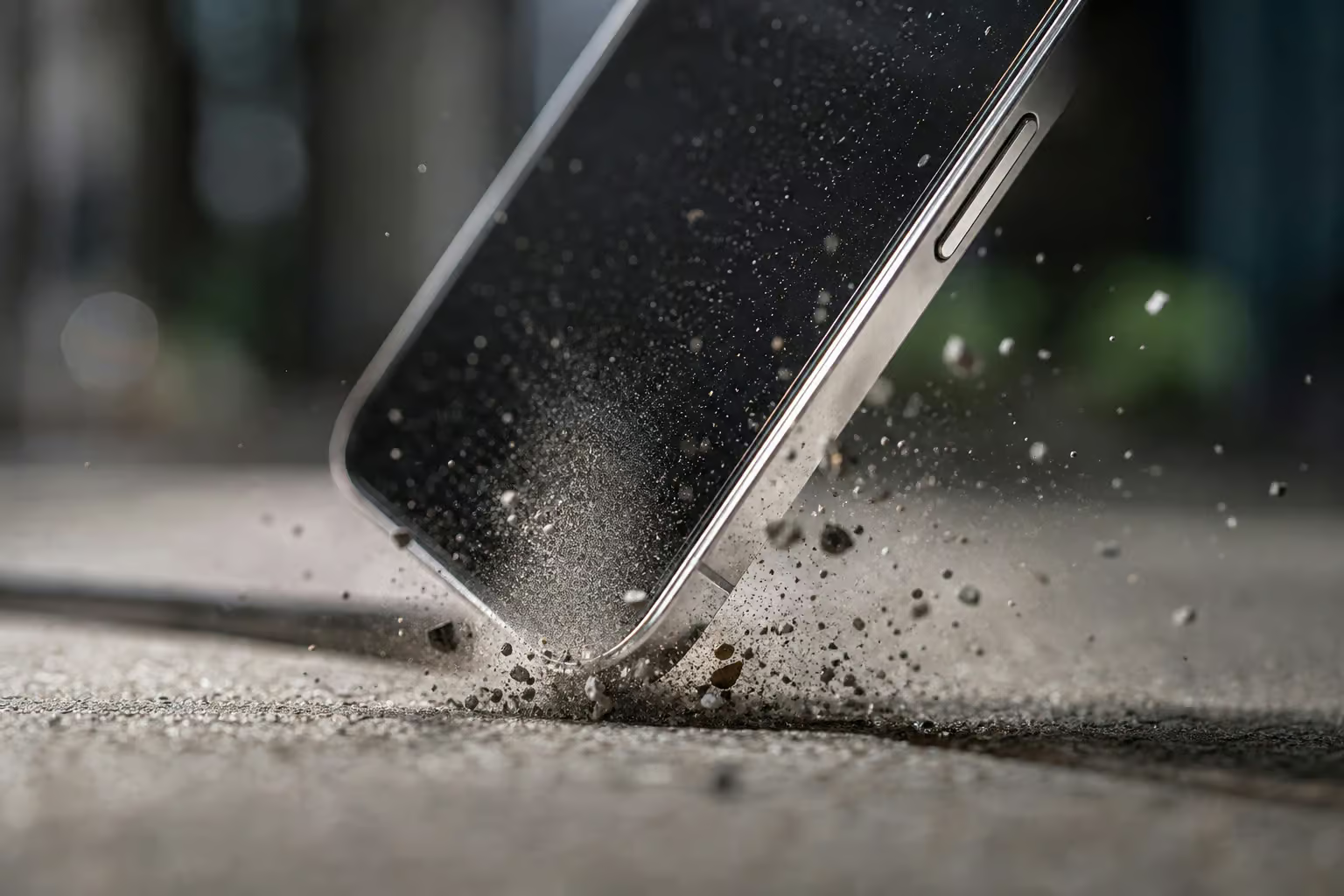
When a smartphone meets the unforgiving surface of concrete, it’s not the fall itself that causes damage but rather the sudden stop that concentrates kinetic energy. This energy, if not effectively redirected, targets the device’s most fragile components. Technicians often note that devices lacking reinforced edges create an “energy trap” upon impact. In fact, when phones land at angles, the force tends to concentrate on the corners of the screen, which are particularly susceptible to cracking.
A well-designed phone case acts as a mechanical buffer, distributing the force of impact away from these vulnerable areas. This is crucial because a poorly designed case can trap debris against the screen, increasing the risk of shattering. Hence, investing in a quality case is akin to purchasing mechanical insurance for your device.
Types of Phone Cases: Matching Materials to Protection Needs
Not all phone cases are created equal. Different materials offer various levels of protection, and understanding these can help you make an informed choice.
The Importance of Screen Protection: Closing the Gaps
Even the most robust cases have their limitations. Typically, they protect the body of the phone while leaving the screen exposed to potential damage. Although many cases feature raised bezels to safeguard the display during flat falls, this protection fails against uneven surfaces. Thus, combining a case with a tempered glass screen protector is highly advisable to cover all bases.
Neglecting this dual-layer approach might lead to costly repairs. After all, a single drop could shatter your screen and render your phone unusable.
Protecting Against Daily Wear: The Hidden Costs
You might think that simply keeping your phone in your pocket protects it from damage, but that’s not the whole story. Daily friction from keys, coins, and other items can create micro-scratches that weaken your screen over time. In fact, unprotected screens can be 15% more likely to crack upon impact due to this cumulative wear.
Moreover, when it comes to resale value, a well-maintained exterior can significantly impact trade-in offers. Phones that show signs of wear can lose $100 to $300 in value, making a case not just a protective measure but also a financially sound investment.
Environmental Protection: Safeguarding Entry Points
Beyond drops and scratches, environmental factors can also jeopardize your smartphone’s longevity. Many modern devices are marketed as «water-resistant,» but this is often overstated. Without proper protection, sensitive components like charging ports and speakers remain exposed to dust and moisture.
A high-quality case can shield these vulnerable entry points, reducing the risk of internal damage. Integrated port covers can prevent moisture from entering, thus extending the lifespan of your device.
Financial Considerations: The Cost of Replacement vs. Preservation
If your phone sustains damage despite protective measures, consider purchasing a certified pre-owned device as a cost-effective alternative to buying new. These refurbished options can save you up to 50% compared to the cost of a brand-new model. This strategy not only helps you avoid the hefty price tags of flagship phones but also offers a realistic fallback when accidents happen.
Frequently Asked Questions About Phone Cases
Do phone cases provide real protection?
Absolutely, a quality case can disperse impact energy and significantly reduce the likelihood of screen cracks during drops.
Why do some people avoid using phone cases?
While some prefer the sleek design of a naked phone, they often overlook how micro-scratches can compromise its integrity over time.
What’s the difference between hard plastic and TPU cases?
Hard plastic offers minimal protection and transmits impact forces directly to the phone. Meanwhile, TPU effectively absorbs and disperses energy, providing better cushioning.
How can a phone case save me money?
By preventing costly repairs and maintaining your phone’s resale value, a good case can pay for itself.
Is it enough to rely on my phone’s water resistance?
Not really. Water resistance ratings don’t account for everyday wear and tear, making a protective case essential for safeguarding against moisture.
Why might my screen crack even with a case?
If the phone lands on an uneven surface, the protective features of the case may not be effective, which is why adding a tempered glass protector is wise.
By understanding the importance of protection, you can make informed decisions that not only keep your device safe but also save you money in the long run.