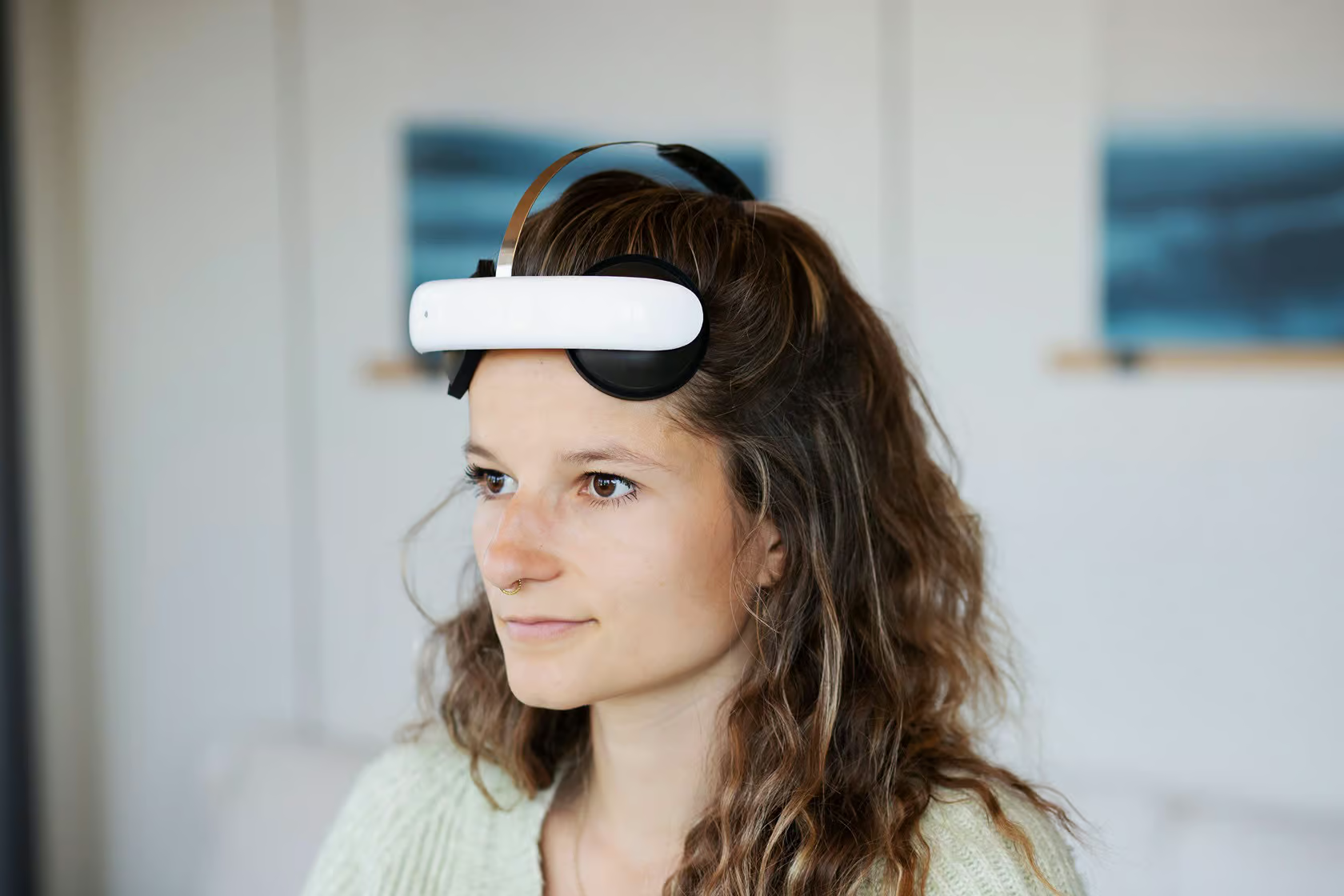
In recent years, the landscape of mental health treatment has begun to shift dramatically, particularly with the advent of innovative technologies like transcranial direct current stimulation (tDCS). Imagine a device that could potentially help alleviate the burdens of depression without the common side effects associated with traditional medications. Well, that future is closer than ever, especially after the recent FDA approval of Flow Neuroscience’s groundbreaking device, the FL-100. This article delves into the implications of this technology on mental health treatment, the user experience, and why this change is significant for many seeking relief from depression.
As we explore this topic, we’ll uncover how tDCS operates, what users can expect from their experience, and why this could mark a pivotal moment in the treatment of depression. So, if you or someone you know has struggled with mental health challenges, keep reading to discover the possibilities that lie ahead.
Revolutionizing Mental Health Treatment: The Rise of tDCS
You might be wondering, what exactly is tDCS? This innovative therapy involves applying a low-level electrical current to the brain, specifically targeting areas that regulate mood and cognition. The FDA’s recent endorsement of the FL-100 device signals a significant shift away from conventional treatments.
Many individuals battling depression often feel as though they’re on a never-ending rollercoaster with medication. You try one pill after another, experiencing various side effects, from weight gain to emotional numbness, often with little to show for it. Flow Neuroscience aims to change that narrative by offering a new alternative that allows users to manage their mental health from the comfort of their homes.
The User Experience: What to Anticipate
So, what does it feel like to use the FL-100? It’s not just about donning a sleek device; it requires active participation. You’ll wear the headset while following guidance from a companion app, and together, they help stimulate your brain.
Here’s what users are saying:
- Quick Results: Many report noticing improvements in as little as three weeks.
- Convenience: This is the first FDA-approved at-home treatment, eliminating the need for clinic visits.
- Minimal Side Effects: Users generally experience mild side effects, without the common issues seen with antidepressants.
However, it’s worth noting some downsides:
- Physical Sensations: Users might experience sensations like stinging or itching at the stimulation site.
- Consistency is Key: Unlike popping a pill, you must commit to regular sessions for the device to be effective.
- Prescription Required: Access to this technology will initially require a prescription, making it less accessible for some.
Why This Matters in Today’s World
In a time when many are losing faith in traditional drug therapies, this technology offers a refreshing alternative. People are increasingly wary of the side effects that come with antidepressants, and the idea that electrical stimulation can help «wake up» areas of the brain associated with mood is groundbreaking.
Daniel Månsson, co-founder of Flow Neuroscience, emphasizes that they’ve spent years gathering data to prove that home-based neuromodulation is effective. In fact, their studies indicate that this method can work two to three times better than a placebo.
Yet, it raises critical questions about accessibility. When the device becomes available, will insurance companies support it? Or will they continue to favor cheaper, traditional medications?
Shaping the Future of Mental Health Care
The FDA’s approval of the FL-100 represents a transformative moment in mental health treatment. It signals a broader acceptance of non-pharmaceutical approaches to wellness. If you’ve been struggling with medications that don’t seem to help or face debilitating side effects, this new method could be a game-changer.
As the conversation around mental health continues to evolve, it’s essential to consider your options. Would you prefer medication or this innovative approach?
Join the Discussion: If you were faced with a depression diagnosis tomorrow, which would you choose?
- Team Medication: I trust traditional methods.
- Team Innovation: I’m all for exploring new technologies.
- Team Cautious: I’m skeptical about both options.
Feel free to share your thoughts and experiences as we navigate this exciting new frontier in mental health treatment.