The world of trading is ever-evolving, and understanding the dynamics behind retail Contracts for Difference (CFDs) can be crucial for your investment strategies. Recent data from FM Intelligence reveals that metals, particularly gold, continue to dominate the retail CFD trading landscape, although there have been some shifts recently. But what does this mean for you as a trader? And how can you navigate these changes effectively?
In this article, we’ll explore the latest trends in retail CFD trading, focusing on the significance of metals and currency pairs. You’ll gain insights into trading volumes, market shifts, and the implications of recent economic activities. Let’s dive into the current state of the market and what it means for your trading decisions.
Retail CFD Trading: An Overview
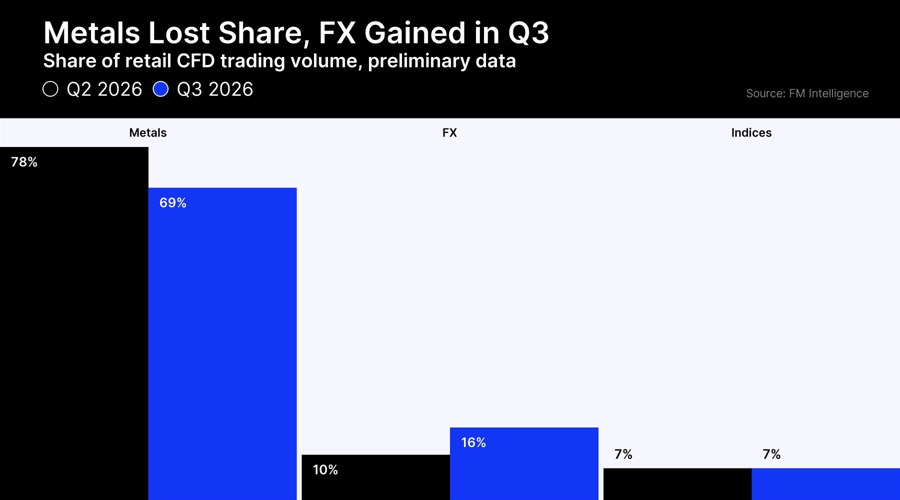
Retail CFD trading has witnessed a notable change in volume distribution. In the third quarter of 2026, metals accounted for approximately 69% of the total retail CFD trading volume, a drop from 78% in the prior quarter. Meanwhile, the share of currency pairs rose from 10% to 16%. These figures indicate a shifting landscape that traders should closely monitor.
So, what does this mean for your trading strategy? While metals still play a significant role, the rising interest in currency pairs suggests a diversification opportunity that you may want to explore.
The Dominance of Metals in Trading
Despite the decline in percentage, metals, led by gold, remain the primary instruments in CFD trading. With gold historically being a safe haven during economic uncertainties, it’s no surprise that it retains its popularity among traders. In fact, gold has consistently represented a major portion of metals trading, contributing significantly to the overall volume.
Looking back, in the first half of 2025, metals CFDs accounted for over 60% of global broker volume, with gold making up nearly 80% of that figure. This trend highlights the enduring appeal of precious metals, even as market dynamics shift.
Currency Pairs on the Rise
Interestingly, the increase in currency pair trading coincided with notable economic actions, including coordinated interventions by the U.S. and Japanese governments. For instance, on July 30, Japan’s Ministry of Finance intervened in the currency market, buying yen, followed by the U.S. Treasury the next day. Such actions can create volatility, presenting both risks and opportunities for traders.
In September, the Federal Reserve raised interest rates for the first time since 2023, and the Bank of Japan followed suit shortly after. This has led to a 45.3% increase in USD/JPY trading volume, the largest gain among major currency pairs. Increased volatility can be advantageous for day traders looking to capitalize on quick price movements.
Understanding the Shift in Volume
It’s essential to recognize that the increase in currency pair trading comes from a relatively low base. The second quarter saw currency pairs accounting for just 13.7% of total trading volume, down from 26.8% the previous year. The latest figures suggest it now holds about 10%. This indicates a potential recovery, but the overall volume remains lower than before.
For major brokers, the trading landscape is even more pronounced. For example, EC Markets, a leading name in the industry, reported only a small portion of its trading volume derived from currency pairs. In fact, only $0.06 trillion of $2.1 trillion in average monthly volume was attributed to FX trading.
The Broader Picture: Mobile vs. Desktop Trading
Another interesting trend is the shift from desktop to mobile trading platforms. FM Intelligence’s preliminary analysis indicates that this transition is more significant than the changes in instrument mix. As a trader, being aware of where the market is heading can inform your own trading practices. Are you utilizing mobile platforms to stay connected and make trades on the go?
In summary, the trading landscape is shifting, and understanding these changes is vital for your success. With metals still holding a commanding lead but currency pairs gaining traction, you have options. By staying informed and adapting your strategies, you can navigate this dynamic market effectively.