In the ever-evolving landscape of finance and trading, strategic acquisitions and market expansions are key to staying competitive. Recently, buzz around potential mergers and acquisitions has captured the attention of industry insiders. For instance, INFINOX is currently in advanced discussions to acquire Admirals, a move that could reshape the trading sector. But what does this mean for the businesses involved and the market at large? In this article, we’ll explore the latest developments in the trading industry, including notable acquisitions, market expansions, and the integration of technology in trading.
INFINOX and the Admirals Acquisition: What’s Happening?
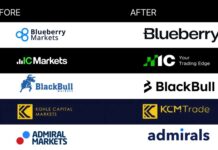
INFINOX is deep in negotiations to potentially acquire Admirals, a significant player in the brokerage market. A company representative confirmed that discussions are underway, although no final agreement has been reached. This transaction hinges on various factors, including the signing of definitive documents, meeting standard closing conditions, and obtaining necessary regulatory approvals. It’s still unclear how much of Admirals’ operations will be part of any deal.
Admirals operates eight licensed entities across several jurisdictions, including the United Kingdom and Estonia. The company’s wide reach adds complexity to the acquisition process, as regulatory approvals will vary by region. Have you thought about how such mergers might impact competition and innovation in the trading industry?
AvaTrade’s Strategic Move: Acquiring Stratos
Meanwhile, AvaTrade is eyeing Stratos, the operator of FXCM and Tradu, as part of its growth strategy. Reports indicate that AvaTrade has made an offer to acquire Stratos from Jefferies Financial Group, with another crypto exchange also showing interest. The financial specifics of these bids remain undisclosed.
This acquisition could enhance AvaTrade’s portfolio by bringing in the well-known FXCM brand, which holds significant recognition in the CFD market. While AvaTrade’s offer is focused on the core Stratos business, it notably excludes FXCM Bullion Limited, which operates in Hong Kong. Why do you think brands like FXCM maintain such strong market identities even amid increasing competition?
Capital.com’s Expansion into South Africa
In a parallel move, Capital.com has made its entry into the South African market by securing two local licenses: an Over-the-Counter Derivatives Provider (ODP) license and a Category 1 Financial Services Provider (FSP) authorization.
This strategic step enables Capital.com to operate as a market maker in South Africa. The ODP license allows for more comprehensive market activities, while the FSP license covers promotional efforts. This expansion is part of a broader strategy, as Capital.com is also applying for licenses in countries like Japan and Turkey. Have you noticed how brokers are increasingly eyeing emerging markets for growth opportunities?
XTB’s Ambitious Marketing Plans in Germany
XTB is also ramping up its efforts by planning to invest more in marketing in Germany compared to its home market of Poland. CEO Omar Arnaout has stated that this strategy aims to bolster brand awareness in a highly competitive environment, especially with Trade Republic making its mark in Poland.
By focusing resources on Germany, XTB hopes to carve out a niche in a market where it is still relatively unknown. However, the budget for this initiative remains lower than that of larger global competitors, highlighting the challenges smaller firms face when entering established markets.
The Rise of AI in Trading: A Game Changer?
Interestingly, the integration of AI technology into trading platforms is shifting how traders engage with the market. Major brokers like eToro and Robinhood have begun to allow users to connect directly with AI-driven features.
This trend could revolutionize trader interactions, as AI agents are expected to become the primary method for navigating markets. While traditional trading apps may not disappear, their roles may evolve, focusing more on execution and data management. Are you ready for the changes that AI could bring to your trading experience?
New Regulatory Landscape in Europe’s Crypto Market
As of July 1, the European crypto market is undergoing significant changes under the MiCA regulations. Stricter rules are now in effect across all EEA countries, marking the end of a transitional period. Companies must now either secure licensing or cease operations, which has already begun to reshape the market landscape.
The regulatory tightening means that firms lacking authorization may face serious challenges, including shutting down or moving clients to licensed providers. While about 200 firms have secured licenses, only a handful are equipped to operate large-scale crypto trading platforms. How do you think these changes will influence future investment in cryptocurrencies?
Leadership Changes: A Look at Recent Appointments
In the realm of executive movements, INGOT Brokers has appointed Nidal Abdel Hadi as a Strategy Consultant to enhance its regional growth. With over two decades of experience in trading and brokerage, this move aims to bolster the firm’s strategic direction.
Capital.com has also made headlines with the hiring of Mariia Erokhina as Vice President of IT Operations. These leadership changes reflect a broader trend of companies seeking experienced professionals to navigate the rapidly evolving financial landscape.
As the trading industry continues to adapt and grow, keeping an eye on these developments can provide valuable insights. What do you think will be the next big trend in trading?