The retail trading landscape is undergoing significant transformation, with brokers rethinking their branding, diversifying into new asset categories, and experimenting with innovative infrastructure models. This week has illustrated a notable shift away from traditional forex and CFD trading, as firms increasingly expand into a broader spectrum of financial services, including cryptocurrencies, equities, and payment solutions. Are you curious about how these changes might affect your trading experience?
In this article, we’ll delve into the latest trends reshaping the industry, examine why brokers are rebranding, and explore how technology is influencing customer engagement. You’ll also discover how regulatory changes are paving the way for new product offerings and what this all means for the future of retail trading.
Why Brokers Are Rethinking Their Brands
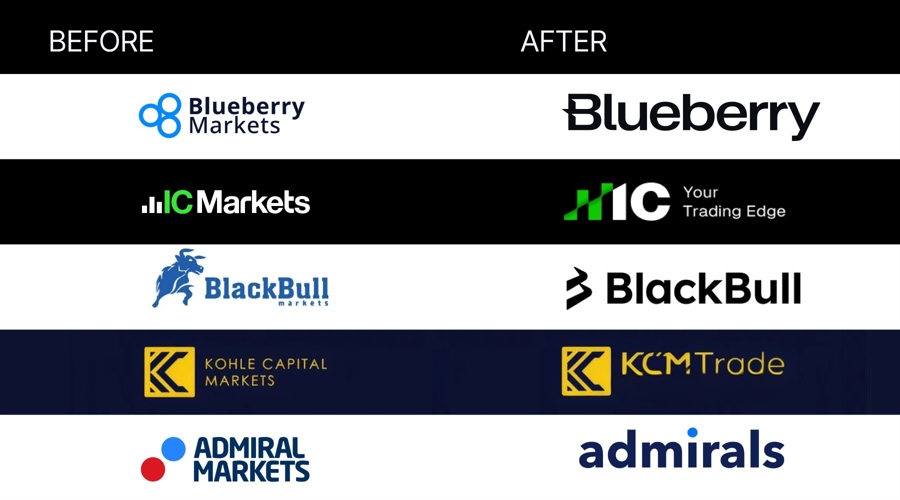
A growing trend among retail brokers is the removal of the term “Markets” from their brand names. This shift, seen with firms like IC Markets and Blueberry, reflects a desire for shorter, more memorable identities as they venture beyond forex and CFDs.
Yet, some companies, such as ThinkMarkets, have opted to maintain their established naming conventions. It’s worth noting that rebranding demands considerable investment, which includes legal approvals and tech updates. Still, a fresh identity alone won’t compensate for vital aspects like execution quality and customer service.
Notable Rebranding Cases: From QRS Global to Brex Capital
QRS Global, linked to a forex trading scandal, has been rebranded as Brex Capital following its acquisition. The transition has brought Sophie Squillacioti on board as CEO, while existing clients retain their accounts without the need for re-registration. This rebranding comes amid serious allegations of fraud and unregulated operations against its former operators in Thailand.
Revolut’s Influence on Cross-Border Investment Growth
Did you know that Lithuania’s cross-border retail investment clientele skyrocketed from around 500 to over 2.5 million in just two years? According to ESMA data, this remarkable surge is largely attributed to Revolut Securities Europe UAB, which launched its investment services in 2023 under a MiFID II license.
As the company expanded its reach, it reported a staggering €9.1 billion in assets under management by the end of 2024, showcasing how a single entity can drive dramatic growth in a market.
Coinbase’s Expansion into US Stock Trading
Coinbase has recently broadened its offerings by launching US stock trading for eligible users in the UK. This new service allows access to nearly 4,000 US stocks with zero-commission trades and flexible purchasing options.
With regulatory approval from the UK Financial Conduct Authority, Coinbase is evolving into an “Everything Exchange,” blending crypto, stocks, and derivatives. This strategy aligns with other platforms like eToro, which also cater to retail investors by combining different asset classes.
XTB Launches Cryptocurrency Trading in Chile
XTB has entered the Chilean market by offering spot cryptocurrency trading. This service includes 46 digital assets, operating around the clock, with a low minimum transaction value of just $2. Previously, Chilean investors accessed crypto through CFDs, but this new offering marks a significant shift.
The launch coincides with XTB’s acquisition of a securities agent license, demonstrating the company’s commitment to expanding its footprint in the digital asset space.
Plus500 Introduces CME Group’s Single Stock Futures
Plus500 has diversified its US product offerings by adding CME Group-listed single stock futures, including micro-sized contracts tailored for retail traders. This move aligns with the CME’s efforts to rejuvenate the US single stock futures market, following a previous unsuccessful attempt.
With first-half revenues reaching $462.9 million, Plus500 is clearly on a growth trajectory, highlighting the increasing demand for varied trading instruments.
Interactive Brokers Faces Technical Glitches
Recently, users of Interactive Brokers experienced login difficulties during US market hours. While the platform’s status page initially reported no issues, an official statement later indicated that technical problems affected a small percentage of clients.
These disruptions have become all too familiar in the brokerage industry, reminding traders of the importance of reliable access to platforms.
Australia: A Testing Ground for Innovative Payment Solutions
Australia is emerging as a key market for global financial firms testing new payment solutions. With a population of approximately 28 million, it serves as a manageable environment for trialing products.
Real-time payment systems like PayID are gaining traction among consumers, prompting trading platforms to introduce faster funding options, which are increasingly valued by traders seeking efficiency.
Retail Brokers Embrace Exchange-Style Models
As cryptocurrency services become more integrated into their offerings, retail brokers are evolving towards models resembling digital asset exchanges. This shift requires handling complex elements like liquidity and market access, which go beyond traditional brokerage roles.
Client expectations have shifted towards features typical of exchanges, such as digital wallets and staking. As tokenized assets gain prominence, the line between brokers and exchanges is becoming increasingly blurred.