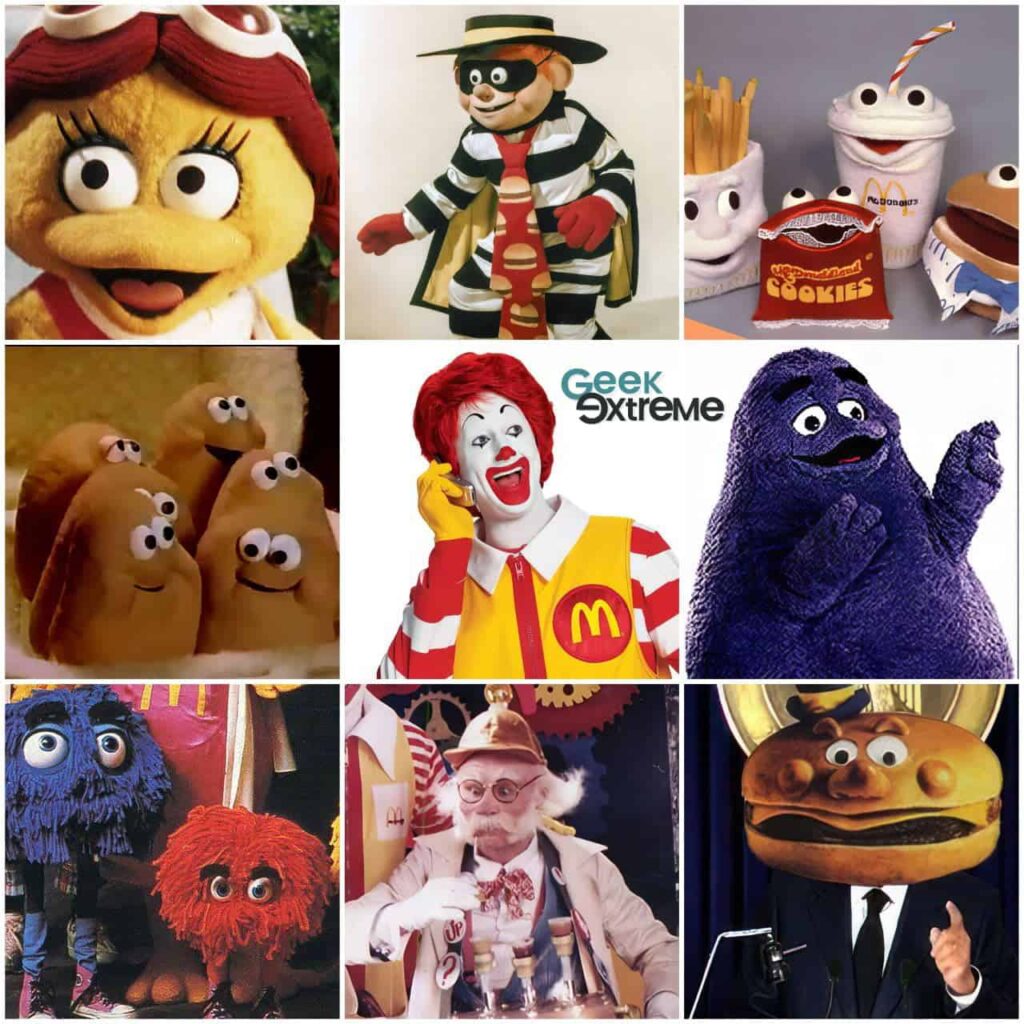
In the world of fast food, few brands have woven such a rich tapestry of characters and narratives as McDonald’s. The whimsical universe of McDonaldland, filled with quirky mascots, has captivated audiences for decades. But how did this colorful cast come to be, and what does it tell us about the evolution of marketing? If you’ve ever found yourself reminiscing about Ronald McDonald, Grimace, or the Hamburglar, you’re in for a treat. This article dives deep into the origins and transformations of these iconic characters, their impact on culture, and their resurgence in today’s digital landscape.
From their humble beginnings in the 1960s to their modern-day adaptations, McDonald’s mascots reflect shifts in branding strategies and consumer preferences. You might be surprised to learn just how much these characters have changed over time. This exploration will not only jog your memory but also shed light on the fascinating interplay between nostalgia and contemporary marketing.
Exploring the Origins of McDonaldland Characters
Let’s start with the man himself, Ronald McDonald. Before he became the cheerful face of the brand, a different character, Speedee, held the spotlight. If you’ve ever seen old commercials, you might recall his odd appearance—he was a chef with a hamburger for a head, a far cry from the playful clown we know today. Ronald was introduced in 1963, thanks to local television personality Willard Scott, and his initial design was anything but polished.
As Ronald evolved, the marketing team began focusing on his role as a symbol of corporate philanthropy rather than just a burger salesman. This transformation helped solidify Ronald’s place in the hearts of families everywhere, making him a household name.
The Launch of a Nostalgic Universe
Initially, Ronald’s costume was quite the spectacle, featuring a cardboard food tray as a hat. This bizarre look was quickly refined to create a more relatable and friendly character. Alongside him, the brand introduced a quaint companion—a dog named Sundae—to further humanize the clown and enhance the McDonaldland atmosphere.
By the time Ronald became associated with the Ronald McDonald House Charities, the brand had effectively stripped away all remnants of that original eccentric design, establishing a relatable figure that parents felt comfortable with.
Mayor McCheese and the Costly Legal Battle
Now, let’s shift our attention to another notable figure: Mayor McCheese. Introduced in 1971, this character—a politician with a cheeseburger for a head—quickly became a fan favorite. However, his existence was marred by a significant legal issue. The creators of the children’s show H.R. Pufnstuf filed a lawsuit against McDonald’s, claiming that the character bore striking similarities to their own creations.
This legal battle concluded with McDonald’s paying over $1 million in damages, a staggering amount for the time. The outcome altered the company’s advertising strategies forever, leading to a more cautious approach regarding character design and media representation.
The Fall of Officer Big Mac
Following the lawsuit, McDonald’s had to reevaluate its marketing tactics. Characters like Officer Big Mac saw a drastic reduction in their TV presence. The focus shifted towards creating a more child-friendly atmosphere, leading to the eventual retirement of these earlier designs.
This shift marked a turning point in how the brand approached its character roster, prioritizing the safety and comfort of its young audience.
Grimace: From Menace to Beloved Icon
What about Grimace? Originally introduced as a four-armed villain bent on hoarding milkshakes, he was soon recognized as too frightening for kids. The brand quickly reimagined him, transforming him into the lovable purple figure we know today—an anthropomorphic taste bud.
This character’s journey reflects McDonald’s ongoing effort to create a friendly and inviting brand image. The shift from a scary monster to a cheerful companion was a strategic move designed to resonate better with children, ensuring they felt comfortable engaging with the brand.
The 2023 TikTok Phenomenon
Interestingly, Grimace saw a resurgence in 2023 thanks to the viral Grimace Shake trend on TikTok. Users created humorous content centered around the drink, showcasing a blend of nostalgia and unhinged humor, which resulted in a remarkable 10.3% increase in U.S. same-store sales for the quarter. This phenomenon illustrates how modern marketing can effectively leverage nostalgia while appealing to a younger demographic.
The Hamburglar: A Shift in Character Design
Next up is the Hamburglar. When he first appeared in 1971, he was a menacing figure, complete with a creepy mask and a penchant for thievery. However, the brand soon recognized the need to rebrand him into a more relatable character. The original version was so difficult to understand that he required an associate named Captain Crook to translate his gibberish.
In response to growing concerns about portraying criminals to children, the Hamburglar was softened into a mischievous, charming character. His iconic «robble robble» catchphrase became a staple, helping him transition into a more family-friendly mascot.
PlayPlace and the Shift to Family Entertainment
The introduction of the Fry Kids, originally known as Gobblins, marked another pivotal moment in character evolution. These colorful characters were initially designed as food thieves but underwent a rebranding to become a friendly, inclusive group focused on enjoying fries. This change mirrored the company’s shift towards family-oriented entertainment, especially with the introduction of PlayPlaces in their restaurants.
The characters became essential tools for marketing new menu items while also promoting a fun, safe environment for children.
Modern-Day Nostalgia and Marketing Strategies
As McDonald’s has evolved, so too have its characters. The decision to retire Ronald and the classic mascots from mainstream commercials was primarily influenced by modern brand safety concerns. Instead, the company has adopted a single mascot, Happy, for children’s toys while creatively repurposing legacy characters for adult marketing strategies.
This clever maneuver has allowed McDonald’s to tap into the nostalgia of millennials, transforming the brand’s image while still appealing to its core family audience.
The Return of Obscure Characters
Interestingly, the character CosMc, a six-armed alien from the late 80s, has sparked renewed interest as McDonald’s explores new ventures. This character was recently repurposed as the face of a new beverage-focused restaurant chain, showcasing the brand’s ability to leverage its extensive lore for modern marketing.
Through this exploration of McDonaldland, it’s clear that the evolution of these characters is much more than just a marketing strategy—it’s a reflection of changing societal values and consumer preferences. Each character, from Ronald to Grimace, tells a story of adaptation and reinvention in an ever-evolving marketplace, reminding us of the power of nostalgia and the importance of staying relevant.