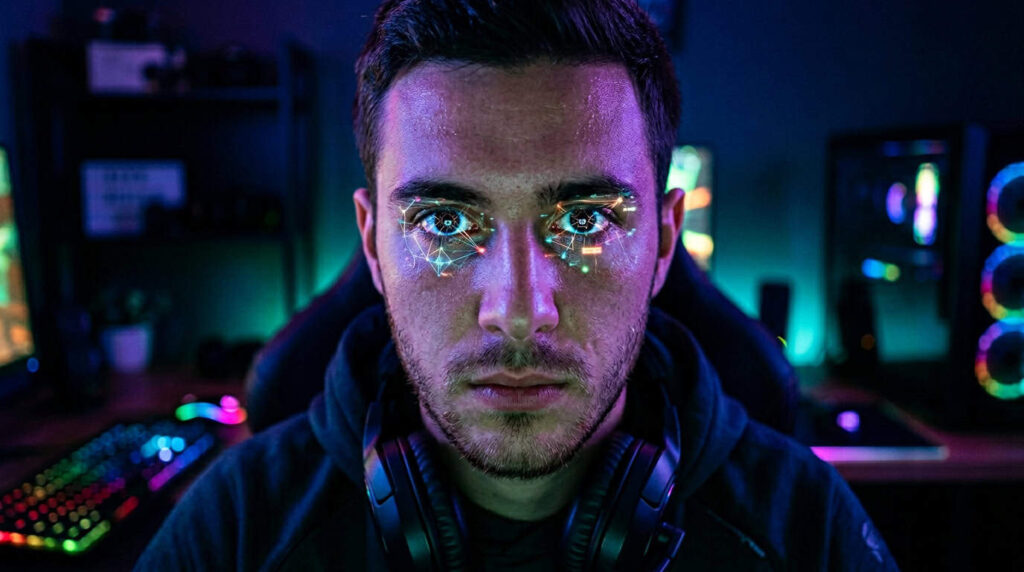
Video games have become more than just a pastime; they are intricate systems that shape and hone essential skills. If you’ve ever found yourself immersed in intense gameplay, you might be surprised to learn that it goes beyond entertainment. In fact, engaging with video games cultivates critical cognitive, physical, and social abilities. So, what exactly do you gain from this digital experience? Let’s dive deeper into the unseen skills that gamers develop, which can be surprisingly applicable to real-world situations.
This article will explore the various dimensions of gaming proficiency, from cognitive processing and physical mechanics to social dynamics. Whether you’re a casual player or a competitive gamer, understanding how these skills intertwine can enhance your gaming experience and even inform your professional journey.
Understanding the Skills Behind Gaming
Gaming is not just about hitting buttons or leveling up characters. Instead, it serves as a platform for developing a host of transferable skills, such as:
These skills are honed in virtual environments that demand quick thinking and effective execution. Instead of merely wasting time, players are engaging in a sophisticated form of mental training.
Cognitive Processing: Essential Skills for Gamers
To excel in gaming, you need strong cognitive functions. These include:
Games often require players to analyze risk versus reward rapidly, making split-second decisions that can lead to victory or defeat.
Problem-Solving Under Pressure
When the action heats up, your ability to think on your feet becomes crucial. Much like a pilot managing multiple systems, gamers must swiftly evaluate situations and decide on the best course of action. This environment encourages an iterative approach to problem-solving:
1. Formulate a hypothesis.
2. Test it amidst chaos.
3. Adjust your strategy based on the outcome.
Such experiences sharpen your analytical skills, preparing you for real-world challenges.
Strategic Planning and Resource Management
Long-term success in gaming hinges on strategic foresight and effective resource management. Players learn to allocate in-game resources wisely, which mirrors real-life financial analysis. Whether you’re managing cooldowns or currency, the ability to think ahead gives you an edge.
Multitasking and Managing Variables
Modern video games demand that you juggle numerous tasks simultaneously. You can’t just focus on one enemy; you must also monitor your health, track objectives, and listen for audio cues. This intense multitasking enhances your working memory, making it easier to handle complex tasks in everyday life.
Physical Mechanics: The Role of Neuromuscular Precision
While cognitive skills are vital, don’t underestimate the importance of physical mechanics in gaming. High-level play requires exceptional hand-eye coordination and quick reflexes, which can translate into various real-world professions.
Hand-Eye Coordination and Reflexes
The precision required in gaming is akin to that needed in fields like surgery or machinery operation. When a threat appears on screen, your brain must relay commands to your body without delay. This rapid response is cultivated through constant practice and can significantly improve your physical coordination.
Neuromuscular Skills and Real-World Application
The fast-paced nature of gaming enhances your physical reaction times. As you process visual stimuli quickly, your brain learns to execute precise movements almost instinctively. These skills are invaluable in careers that require quick decision-making and fine motor control.
Social Skills: Navigating Team Dynamics
Gaming is often a communal experience, requiring effective communication and collaboration. Multiplayer settings push players to master social skills that are crucial in both virtual and real-life environments.
Teamwork and Collaboration
When you join a match, you’re often paired with individuals from diverse backgrounds. This dynamic fosters cultural awareness and requires you to adapt your communication style. You learn to negotiate roles and strategies, enhancing your ability to work effectively in teams.
Emotional Regulation and Conflict Resolution
Navigating the highs and lows of multiplayer gaming builds emotional resilience. You learn to manage frustration and lead your team through tough situations. This emotional intelligence is a vital asset in any professional setting, where teamwork and morale can greatly influence outcomes.
Applying Gaming Skills to Career Paths
Interestingly, the skills acquired through gaming can open doors to various career opportunities. Fields like data analysis, IT management, and emergency medical response benefit greatly from the rapid decision-making and problem-solving capabilities developed in gaming.
Clinical wellness experts note that many gamers show strong traits of neurodivergence, which can be advantageous in high-pressure environments. Understanding these traits allows you to channel your gaming experience into a fulfilling career.
Ultimately, whether you aim to lead a team, analyze data, or respond to emergencies, the skills you cultivate through gaming can provide you with a distinct advantage in the professional world.