The trading landscape is constantly evolving, and recent developments in the proprietary trading sector highlight significant shifts that could impact traders and brokers alike. You’re likely aware of how crucial it is to stay updated in this fast-paced environment, especially with changes like the acquisition of MyForexFunds’ assets, the closure of FundedSeat, and new trading initiatives from major firms. Curious about how these changes might affect you? This article delves into the latest trends, regulatory adjustments, and market dynamics that are reshaping the trading world.
### Recent Trends in Proprietary Trading
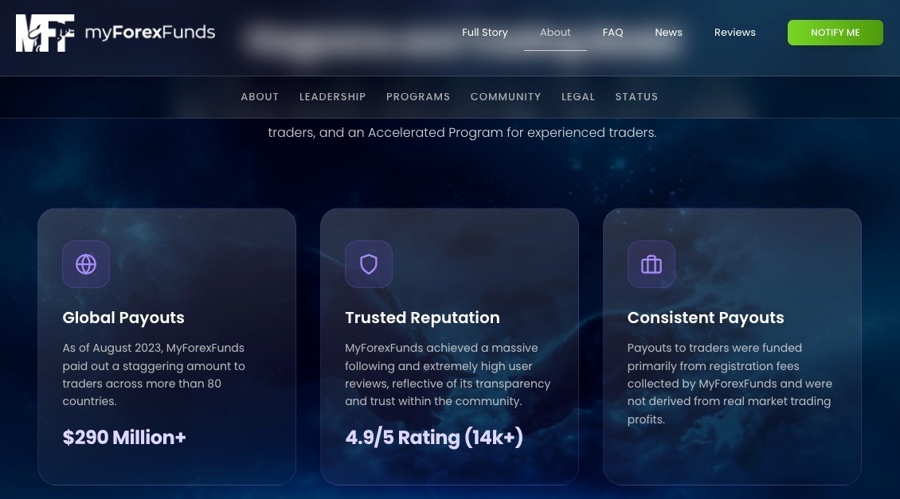
The past week has been marked by notable transformations in the prop trading sector. MyForexFunds’ brand assets have been sold to a Dubai-based firm, Global Solutions, raising questions about the future of its services. This acquisition, led by Haider Raza, a former operations director at MyForexFunds, includes the brand’s trademarks and official online presence. However, the financial specifics of the deal remain undisclosed. Importantly, any outstanding trader payouts will still be managed by Traders Global, ensuring that obligations to customers are upheld.
### FundedSeat’s Closure Signals Industry Challenges
In another significant move, FundedSeat has decided to cease operations after just two years. The firm cited restricted access to essential trading platforms as a key factor that limited its growth potential. With a focus on futures trading, the inability to support major platforms like NinjaTrader and MetaTrader has proved detrimental. FundedSeat plans to refund active accounts and fulfill pending withdrawals, but this closure serves as a stark reminder of how platform availability is critical for prop firms aiming to expand.
### Innovative Approaches in Simulated Trading
On a brighter note, CMC Markets has launched a new initiative called CMC Funded, designed to offer simulated prop trading opportunities. With a $100,000 simulated account, traders can engage in performance evaluations with specific risk limits. Those who excel will receive a Verified Trader badge and an interview opportunity, promoting a pathway for serious traders to showcase their skills. While the program operates separately from CMC’s financial services, it provides a unique platform for traders keen on honing their craft without the immediate risks of real trading.
### The Economics of Trader Payouts
As the trading environment evolves, broker-backed prop firms are shifting the dynamics of how trader payouts are structured. According to industry analysis, these firms are leveraging vertical integration to enhance revenue from successful traders. Unlike independent firms that primarily depend on challenge fees, broker-affiliated models benefit from multiple revenue streams, such as spreads and rebates once traders transition to brokerage accounts. This shift is significant as it allows for better risk management and access to valuable trading data.
### Disparities in Trader Performance
Recent data from iSAM Securities reveals a striking trend: the top 1% of winning retail traders are responsible for 66.5% of all client profits. Even more startling, the top 5% account for 85.5% of these profits, while a staggering 79.5% of clients ended the period with losses. This data suggests that a small fraction of traders are disproportionately benefiting, raising questions about the sustainability of such a model for brokers and the overall market health.
### Regulatory Changes on the Horizon
The regulatory landscape is also undergoing significant changes. The UK’s Financial Conduct Authority (FCA) has opened a five-month application window for crypto firms to gain authorization under new regulations. This marks a crucial step towards formalizing the cryptocurrency sector in the UK, ensuring that firms meet stringent criteria for operation. As the regulatory framework evolves, firms must adapt to comply with new requirements, creating both challenges and opportunities in the marketplace.
### Scrutiny of Binance’s Practices
In Europe, regulators are closely examining Binance’s use of reverse solicitation, particularly after the exchange’s failure to secure a MiCA license. Such scrutiny could lead to enforcement actions if regulators determine that the exemption has been misused. This situation underscores the importance of adhering to licensing requirements and staying compliant in an increasingly regulated environment.
### Expanding Trading Options for Retail Investors
Capital.com has recently broadened its offerings by introducing direct investing in stocks and ETFs in Europe. This expansion allows traders to access over 2,280 US and European stocks without incurring commission fees. By providing a platform for both short-term trading and long-term investments, Capital.com is positioning itself as a versatile option for diverse trading strategies.
### Challenges for Brokers in the Digital Age
As the trading technology landscape continues to evolve, brokers face the dilemma of whether to invest in proprietary technologies or rely on purchased platforms. This decision significantly impacts their operational efficiency and client satisfaction. While third-party platforms can speed up the launch of critical functions, they may come with limitations that hinder growth. Brokers must carefully consider which aspects of their technology stack they want to maintain control over to differentiate themselves in a competitive market.
Navigating these developments requires a keen understanding of the shifting dynamics in the trading world. Whether you’re a trader or a broker, staying informed and adaptable is key to thriving in this ever-changing landscape.