Choosing the right headlamp can be a daunting task. With so many options available, you might wonder, how many lumens are considered good for headlamps? This guide aims to simplify your decision-making process by breaking down lumen requirements tailored to specific activities. Whether you’re a casual camper or an avid trail runner, understanding the luminous needs can enhance your outdoor experience. Let’s dive into what you need to know to select the perfect headlamp for your adventures.
Understanding Lumens: The Key to Headlamp Brightness
Lumens measure the total visible light emitted by a source, serving as the standard metric for brightness in headlamps. But why does this matter? The more lumens, the brighter your headlamp will be. For instance, a 5-lumen headlamp is ideal for reading a map in your tent, while a 1,500-lumen model can light up an entire trail. However, brightness isn’t the only factor to consider; beam distance and pattern are equally important.
When you’re navigating in the dark, having adequate brightness can significantly impact your safety. While many outdoor enthusiasts find that 300 lumens is sufficient for general use, the right lumen count depends on your specific activities and conditions.
How Many Lumens Do You Need for Various Activities?
The required lumen count varies based on what you plan to do. Different activities call for different brightness levels. Here’s a breakdown of the lumens you’ll need:
Close-Up Tasks: Reading and Camp Chores
For tasks like reading or setting up camp, headlamps with 100 to 150 lumens are generally ideal. Even 30 to 50 lumens can suffice for detailed work without causing eye strain. It’s crucial to have the right balance; too dim, and you’ll struggle to see; too bright, and you might create glare.
General Hiking and Camping
When it comes to hiking or camping, most find that 200-400 lumens strikes the right balance. This range offers enough brightness to navigate trails and set up camp without rapidly draining your battery. For well-marked trails, lower lumens can suffice, but rugged terrains might require more brightness.
Trail Running and Dark Navigation
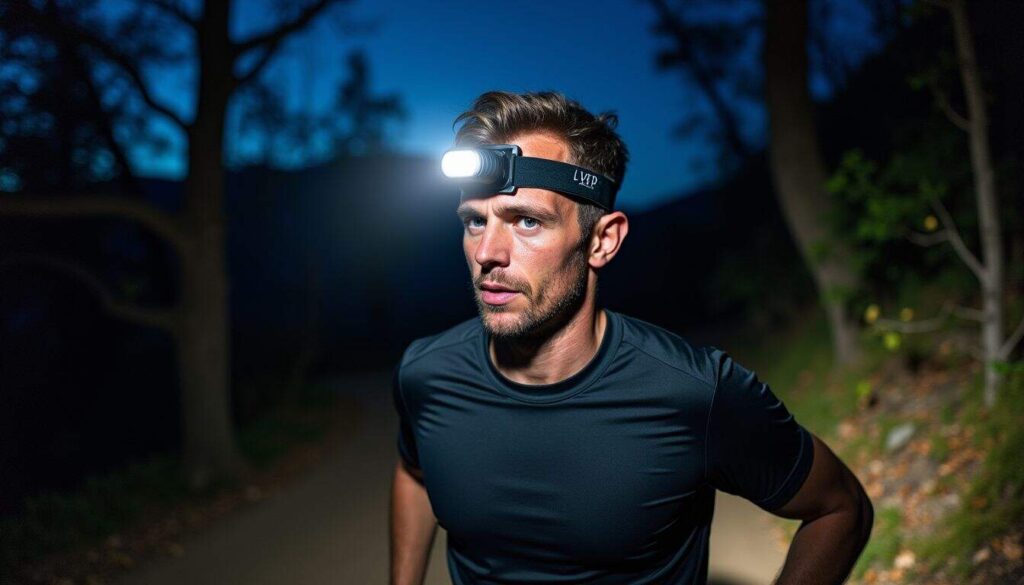
Trail running typically demands at least 200 lumens, but for more technical trails, 300 lumens or more is recommended to ensure safe navigation. Your speed and the trail’s complexity will dictate your needs here.
High-Speed Activities: Skiing and Mountain Biking
For high-speed sports like mountain biking, you’ll want at least 1,500 lumens, as this level provides the visibility necessary for quick maneuvers and obstacle detection. Some avid riders even opt for 2,500 lumens for optimal safety.
Essential Features Beyond Lumens
While lumens are important, other features can greatly enhance your headlamp experience. Consider the following:
Battery Life and Type
Battery life is a critical factor, especially during extended outings. Rechargeable headlamps usually offer better long-term value, reducing waste and saving you money. Always carry extra batteries for backup, as real-world usage often drains power faster than advertised.
Weight and Comfort
A lightweight headlamp can make a significant difference during long activities. Models weighing under 2 ounces can help prevent neck strain. Look for well-balanced designs with adjustable straps to ensure comfort during prolonged use.
Adjustable Brightness Levels
Headlamps with adjustable brightness settings allow you to conserve battery life by using only as much light as needed. This feature is invaluable for switching between tasks without wasting energy.
Choosing Between Beam Types: Spotlight vs. Floodlight
Selecting the right beam type can influence your outdoor experience significantly.
Spotlight for Long-Distance Visibility
Spotlights excel at illuminating distant targets, making them ideal for activities requiring precision. For example, search and rescue operations benefit from narrow beam angles that allow effective scanning of large areas.
Floodlight for Close-Up Work
On the other hand, floodlights provide wide, even coverage, making them perfect for tasks happening right in front of you. They’re especially useful for camp chores, reading, or any activity that requires a broad area of illumination.
Additional Features to Consider
When selecting a headlamp, keep in mind that lumens are just one aspect. Features like waterproof ratings, red light modes for night vision, and the type of batteries can also play crucial roles in your selection.
Red Light Modes
These modes help preserve your night vision, allowing you to see better in low-light conditions without disturbing wildlife or fellow campers.
Weather Resistance
Ensure your headlamp is weather-resistant, as moisture can damage electronic components. Look for models with IPX ratings that indicate their level of water resistance.
Popular Headlamp Models and Their Features
With a variety of headlamps on the market, it can be tough to choose. Here are a few popular options:
Black Diamond Sprint 225
This headlamp offers 225 lumens in a lightweight package, making it perfect for trail running and hiking. It features multiple modes and a weather-resistant design.
Petzl Actik Core
Delivering 600 lumens, this headlamp is ideal for general outdoor use and offers both red light and strobe functions, along with a rechargeable battery.
Nitecore NU25 360
Weighing just 53.9 grams, this compact headlamp emits 360 lumens and features both a red LED for night vision and excellent battery efficiency.
By understanding lumen requirements and features, you can confidently choose a headlamp that suits your outdoor adventures. Happy exploring!