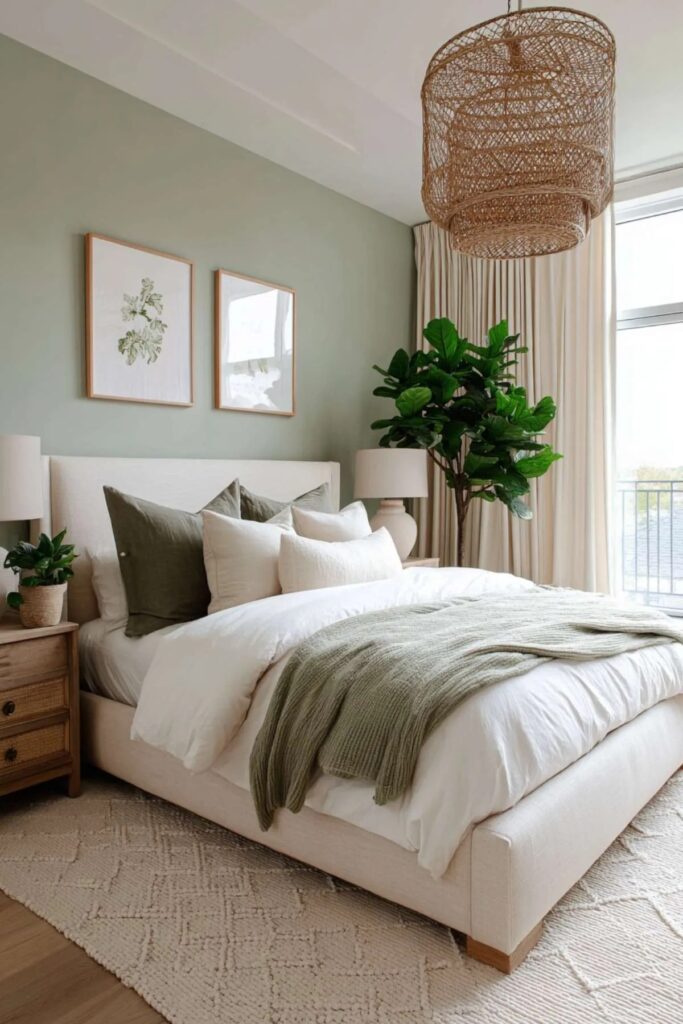
In recent years, the concept of Wabi-sabi has captivated many, particularly in the realm of interior design. This traditional Japanese philosophy emphasizes appreciating the beauty found in imperfection and the natural aging process. But how can you incorporate this enriching worldview into your own living space? The idea isn’t merely about aesthetics; it’s about creating a meaningful connection with your surroundings. By embracing Wabi-sabi, you can transform your home into a sanctuary that reflects authenticity and tranquility.
In this article, we’ll explore the essence of Wabi-sabi, its principles, and practical ways to integrate this philosophy into your home decor. Whether you’re a design enthusiast or just starting to explore this concept, you’ll find valuable insights that can enhance your living environment.
Understanding Wabi-sabi: The Heart of Imperfection
Wabi-sabi revolves around three core principles: impermanence, incompleteness, and imperfection. These elements encourage you to value the transient qualities of life and the unique aspects of objects. For instance, a chipped vase or weathered wood table becomes a conversation starter, showcasing its journey and history.
However, it’s not just about accepting flaws; it’s about celebrating them. Have you ever noticed how a small crack in a ceramic piece can tell a story? This philosophy invites you to look beyond the surface and appreciate the narrative behind each item.
Incorporating Nature: Bringing the Outdoors Inside
Integrating nature into your home is essential in Wabi-sabi. Think about using natural materials like wood, stone, and clay. These elements not only bring warmth but also embody the beauty of the earth.
Consider adding indoor plants to your space. They not only purify the air but also change over time, reminding you of the life cycle. You might want to try:
Each of these choices can help create a harmonious environment that reflects the Wabi-sabi ethos.
Choosing the Right Color Palette
When it comes to colors, opt for muted tones that evoke a sense of calm. Soft earth tones, grays, and gentle greens can create a serene atmosphere. You might ask yourself, “How can I make my space feel more grounded?”
By selecting colors inspired by nature, you can create a cohesive look that complements your Wabi-sabi aesthetic. Additionally, consider using textured paints or finishes that show wear over time, as they can enhance the overall warmth of your home.
Furniture and Decor: Embracing the Unconventional
When selecting furniture, look for pieces that evoke character and charm. Vintage or second-hand items are often perfect for this approach. They carry stories, and their imperfections add to their allure.
Moreover, instead of striving for symmetry, consider an eclectic arrangement that feels comfortable and lived-in. You could mix modern pieces with antiques, creating an interesting dialogue between the old and the new.
Simple Practices for a Wabi-sabi Lifestyle
Living Wabi-sabi extends beyond decor; it’s a lifestyle choice. Here are some simple practices to embrace:
Each of these practices can enhance your connection to the beauty of the present.
The beauty of Wabi-sabi lies in its ability to foster a deeper relationship with your environment. By embracing imperfection and nature, you can create a space that not only looks good but also feels good. So, why not explore this enriching philosophy and see how it can transform your home?