Shipping collectibles might seem straightforward, but there’s a world of difference between “it arrived” and “it arrived in perfect condition.” Picture this: a beloved comic book shows up with a bent corner, or a rare coin has scratches. Suddenly, the value plummets. Have you ever wondered how to ensure your collectibles reach their destination without damage? In this article, we’ll explore the intricacies of shipping collectibles effectively, focusing on a specialized four-layer packing system. You’ll learn the best practices for various types of items, from trading cards to antique furniture, ensuring they remain safe and valuable throughout the journey.
Understanding the Importance of Proper Assessment
Before you even think about packing, it’s crucial to assess your collectible. Ask yourself: Is it valuable enough to warrant professional packing? Identifying whether to use standard or archival-safe materials is vital since improper materials can cause irreversible damage. Additionally, documenting the item’s current value is essential, as it affects both insurance claims and customs procedures.
Materials Matter: The Four-Layer Packing System
When it comes to packing your collectibles, the four-layer system is your best friend. This method consists of:
Each layer plays a critical role in protecting your collectible, especially during transit. Remember, most shipping damages occur at the corners, so robust support is non-negotiable.
Choosing Archival-Safe Materials
Not all materials are created equal. For instance, plastics like polypropylene and glassine are excellent choices, as they prevent chemical damage and moisture. On the other hand, avoid generic PVC and acidic cardboard, as these can harm your collectible over time. Protecting your item with the right materials is essential to maintaining its value.
Tailoring Packing Techniques by Item Type
Now, let’s break down how to pack various collectibles effectively using the four-layer system.
Packing Trading Cards
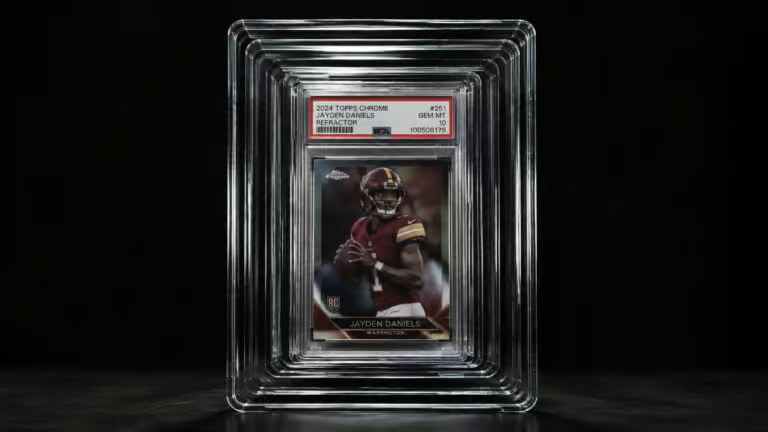
Start by placing your card in a penny sleeve, then insert it into a toploader. For larger shipments, wrap the sleeved stack in bubble wrap and place it in a sturdy box. If you’re sending a single valuable card, sandwich it between two pieces of cardboard to prevent bending.
Packing Coins
Coins require special attention to avoid scratches and oxidation. Use coin flips or rigid capsules to store each coin individually, then wrap them in bubble wrap before placing them in a sturdy box. Don’t forget to label any temperature-sensitive coins appropriately.
Packing Comic Books
For comics, use acid-free bags with backing boards to keep them flat. A Gemini mailer is a popular choice, or you can create a DIY version with cardboard and bubble wrap. Always remember: adhesive should never touch the comic cover, as this can lead to permanent value loss.
Packing Vinyl Records
To prevent warping, use a correctly sized LP mailer. Slide the record out of its jacket into an inner sleeve, then package both together. Keeping everything flat and well-supported is key to avoiding damage.
Handling Larger and Fragile Items
When dealing with larger or more fragile collectibles such as antique furniture, the four-layer logic still applies, but you’ll need to upscale your materials. Those items often require professional crating or blanket wrapping. Always evaluate the value and fragility of the item before choosing your packing method.
Do-It-Yourself vs. Professional Packing Services
Should you pack it yourself or hire a professional? If your collectible is high-value or particularly fragile, consider professional packing services. Alternatively, if you opt for DIY, ensure you follow the four-layer system closely and label everything clearly.
Selecting the Right Carrier Service
Your choice of carrier service level impacts delivery time and risk. For fragile items, faster services minimize handling events, reducing the risk of damage. While UPS and FedEx have their pros and cons, it’s best to choose a service based on the specific needs of your shipment.
Insuring and Tracking Your Shipment
Before sealing the box, ensure you’ve accurately declared its value. The claim is won before the box ships, so document the condition of the item as you pack. Keeping records, including photos and tracking numbers, is essential in case something goes wrong. If you find yourself facing delays or issues, always contact the shipping location first.
Shipping Collectibles Internationally
When shipping collectibles across borders, accurate documentation is paramount. Be wary of vague descriptions, as they can lead to customs issues. Always declare the correct value to avoid complications and ensure compliance with international shipping standards.
Frequently Asked Questions
Is it legal to ship valuables yourself?
While you can ship valuable items, ensure proper packing to protect their condition throughout transit.
What’s the most economical way to ship bulk items?
For bulk collectibles, smaller, sturdy boxes minimize internal movement and lower shipping costs.
Which carrier is better for art shipments?
This depends on your specific needs, but both UPS and FedEx offer options tailored for art.
How can I safely ship comic books and vinyl records?
Use acid-free materials for comics and correctly sized LP mailers for records to prevent damage.
Following these guidelines will help you navigate the complexities of shipping collectibles, ensuring they arrive safely and retain their value.