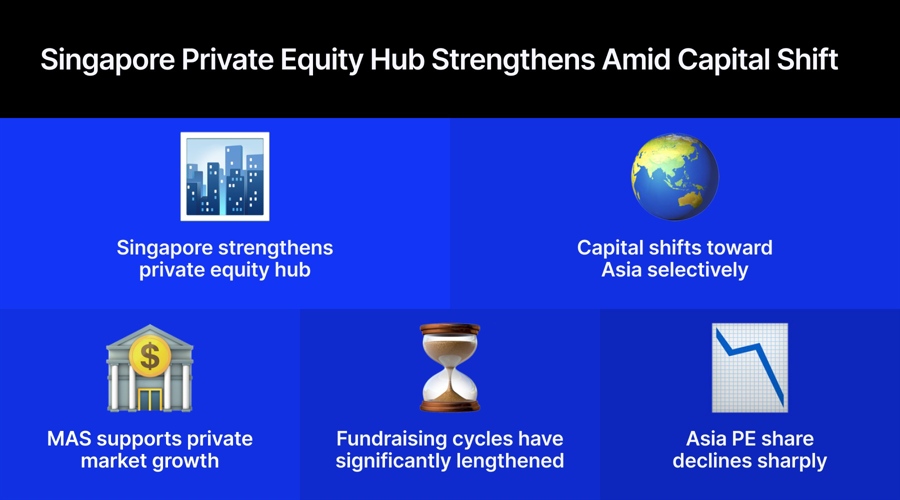
In recent years, Singapore has emerged as a pivotal player in the world of private equity, but the landscape is evolving rapidly. With an increasing focus on managing new financial flows, the city-state aims to solidify its reputation as a top hub for private equity in the Asia-Pacific region. Curious about how this evolution might affect investment strategies and opportunities? Let’s dive into the intricate dynamics at play in Singapore’s capital markets and what it means for both investors and companies.
This article will explore the current trends in Singapore’s private equity scene, the regulatory frameworks that support it, and the challenges that lie ahead. You’ll gain insights into the growing participation of retail investors, the implications of changing capital flows, and how these factors shape the future of private equity in Singapore.
Singapore’s Regulatory Landscape: A Supportive Environment
The Monetary Authority of Singapore (MAS) has implemented various programs aimed at bolstering the private equity sector. These initiatives have attracted top-tier private equity, infrastructure, and private credit managers to establish operations in Singapore. By fostering a robust regulatory environment, the MAS ensures clarity and consistency for firms navigating the complexities of fund structuring and cross-border transactions.
Moreover, the government is actively working to convene public and private sector representatives to analyze financing ecosystems. This collaborative effort aims to refine strategies that will elevate Singapore’s status as a regional hub for growth capital. With such backing, the future looks promising for private equity firms looking to set up shop in the city.
The Shift in Capital Allocation: A Closer Look
Despite some well-known firms trimming their portfolios, many private equity players are ramping up their presence in Singapore. This trend indicates a structural shift, not merely a rebalancing of investment portfolios. As noted by industry experts, while global fundraising has declined, Asia has felt the impact more acutely, with an 84% decrease noted in recent reports.
This doesn’t signal a complete retreat from the market; instead, it reflects a strategic pivot towards more selective investment opportunities, particularly as capital flows increasingly concentrate in regions like North America and Europe. In this context, Singapore remains a critical base for executing targeted investment strategies across Asia.
The Rise of Retail Investors: Opportunities and Challenges
Interestingly, a notable trend is the influx of retail capital into private market funds. While this can expand the investor base, traditional institutional investors express concerns about potential misalignments of interests. They worry that the presence of retail-focused vehicles, which have different liquidity expectations, could alter general partner (GP) behavior.
Key issues arise around operational complexity and liquidity management. Retail investments may require active deployment and frequent valuations, thereby increasing demands on investment teams. The growing retail interest in private equity necessitates a careful balancing act to ensure that institutional investors’ needs are met while accommodating new capital sources.
Governance and Co-investment: Navigating New Waters
With the rise of retail investments, institutional limited partners (LPs) are scrutinizing governance and co-investment opportunities more closely. Historically, LPs have relied on no-fee co-investments to lower costs and gain exposure to high-potential deals. However, the growing prevalence of retail-focused funds may dilute these opportunities, as GPs may prioritize capital from these sources over traditional LPs.
This shift compels LPs to reconsider their strategies and implement stricter governance measures. As the MAS highlights the increasing interest from retail investors, it raises questions about how this will impact traditional funding channels and the overall stability of the private equity landscape in Singapore.
Institutional Investors: Adapting to a Evolving Market
In light of these changes, institutional investors are becoming more discerning. With fewer funds closing, there’s a noticeable flight towards quality, as LPs seek out managers with proven track records and specialized expertise. As the fundraising environment becomes more challenging, access to capital is increasingly dictated by demonstrated performance.
Interestingly, while retail capital is gaining traction, it could serve as a complementary source of funding rather than a replacement for institutional investments. Managers are actively looking to incorporate this new capital into their diversified fundraising strategies, ensuring they remain competitive in a rapidly evolving market.
In Singapore, the private equity scene is anything but static. As the city-state navigates these complexities, the interplay between traditional and retail investors will undoubtedly shape the future of private equity in the region. How will you position yourself to take advantage of these developments?