Modern gaming has evolved into more than just a pastime; it’s become a distinct lifestyle. The average gamer isn’t just someone who plays casually—there’s a deeper commitment and a myriad of habits that define this community. Are you curious about the markers that distinguish dedicated gamers from casual players? In this article, we’ll explore various aspects that reveal the true essence of gaming enthusiasts, from their social calendars to the gear they invest in. Let’s dive in and uncover what makes a serious gamer tick.
Understanding the Profile of a Dedicated Gamer
So, what does it take to be classified as a devoted gamer? According to recent data, the average age of a U.S. gamer is around 35 years, boasting approximately 17 years of experience. This demographic is not just a statistic; it’s a reflection of a community that has grown and evolved over time.
Gaming Commitments: A Structured Approach
When you look at a dedicated gamer’s schedule, you’ll notice it resembles a professional calendar. They often allocate specific times for gaming sessions, treating these slots as unmissable appointments. For instance, if you hear a gamer mention a “raid night” for their favorite MMORPG, you can bet they’ve blocked off that time.
Social Dynamics and Team Play
In addition to personal time commitments, gamers frequently engage in teamwork through platforms like Discord. This tool allows for seamless communication, enabling them to strategize in real-time. If you notice someone prioritizing their gaming sessions over casual gatherings, it’s likely they’re deeply involved in a competitive scene.
Physical and Digital Spaces: A Gamer’s Domain
A significant aspect of being a serious gamer is the environment they create. Look for unique digital spaces that reflect their personality and interests. Many enthusiasts customize their screens with animated wallpapers or specific themes that resonate with their favorite games, showcasing their dedication.
Investment in Hardware
When it comes to gaming equipment, the financial commitment is noteworthy. Serious gamers often invest in high-performance hardware, with graphics cards costing upwards of $1,200. This investment is crucial for achieving smooth gameplay and stunning visuals. But it doesn’t stop there; ergonomic accessories, like high-quality gaming chairs, can also set them back more than $500, ensuring comfort during those extended sessions.
Latency: The Hidden Metric
One of the most critical factors for gamers is latency. Unlike casual users who focus on download speeds, serious players prioritize ping. Aiming for 20ms or lower is common, as this ensures a responsive gaming experience. To achieve this, many enthusiasts bypass Wi-Fi in favor of direct Ethernet connections, eliminating potential lag.
Signs of a True Gamer
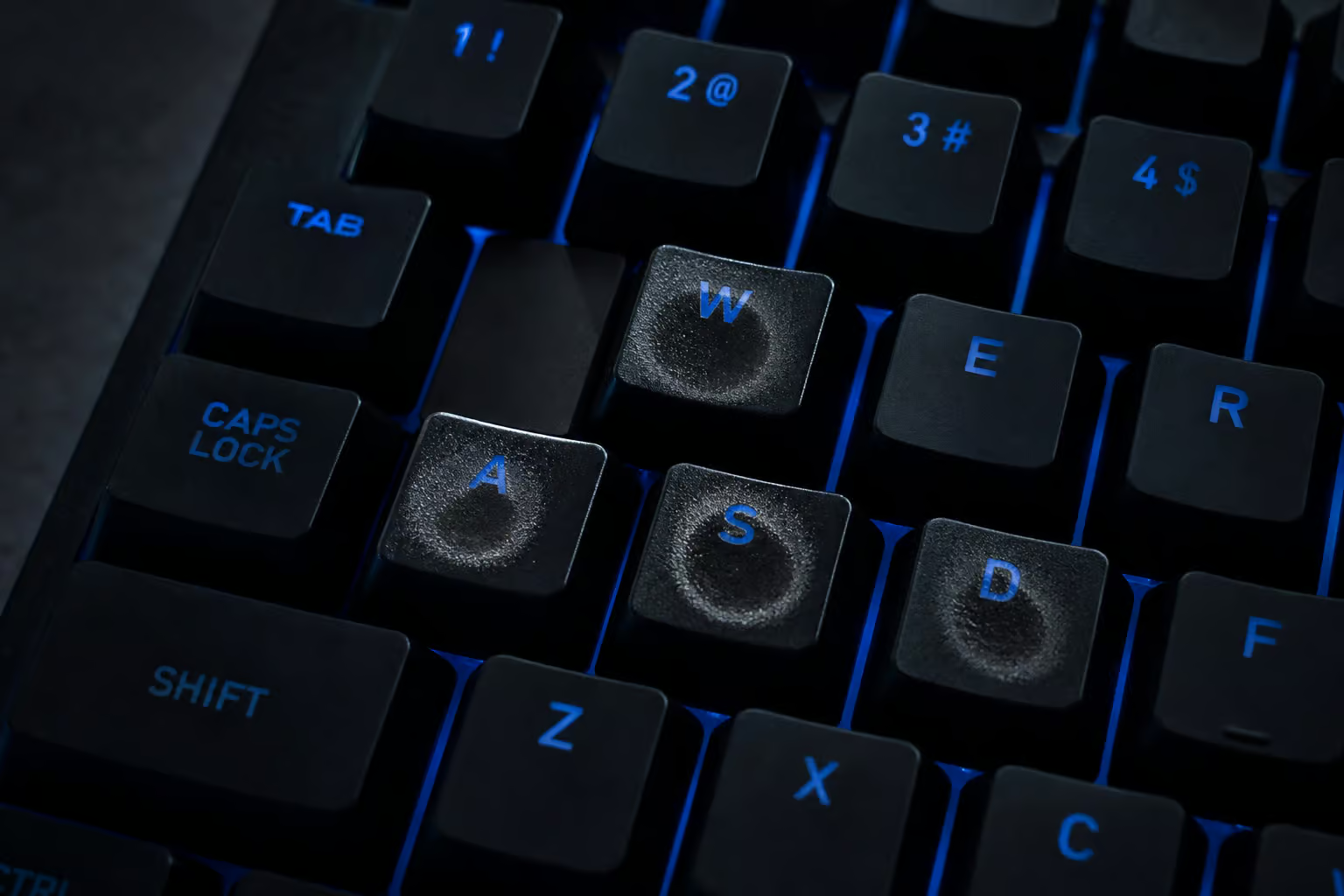
If you want to spot a genuine gamer, pay attention to their equipment. Worn WASD keys on a keyboard can indicate countless hours spent navigating virtual worlds. This wear and tear is a badge of honor, demonstrating their commitment to the gaming lifestyle.
The Pursuit of Flow State
For serious gamers, achieving a flow state is essential. This state of mental immersion allows them to engage deeply with challenges and narratives, transforming gaming into a fulfilling experience rather than mere escapism.
Frequently Asked Questions
How can I spot a fake gamer?
Look for signs of genuine engagement, such as worn keys or high-end hardware. True gamers often have a curated digital space filled with personalized themes and applications.
What physical signs indicate long-term gaming?
Common signs include calluses on the hands or wrist pain. These symptoms arise from extended gaming sessions and can be indicators of a serious gamer.
Why is ping more crucial than download speed for gamers?
While download speed matters for casual browsing, ping is vital for competitive gaming. Lower latency allows for quicker reactions, making it a key focus for dedicated players.
Is a high-end graphics card worth the investment?
For dedicated enthusiasts, investing in a top-tier graphics card is essential for maintaining high frame rates and visual fidelity in modern games.
What distinguishes a casual player from a dedicated gamer?
The primary difference lies in commitment levels. Casual players engage sporadically, while dedicated gamers treat it as a structured commitment, investing both time and money into their hobby.