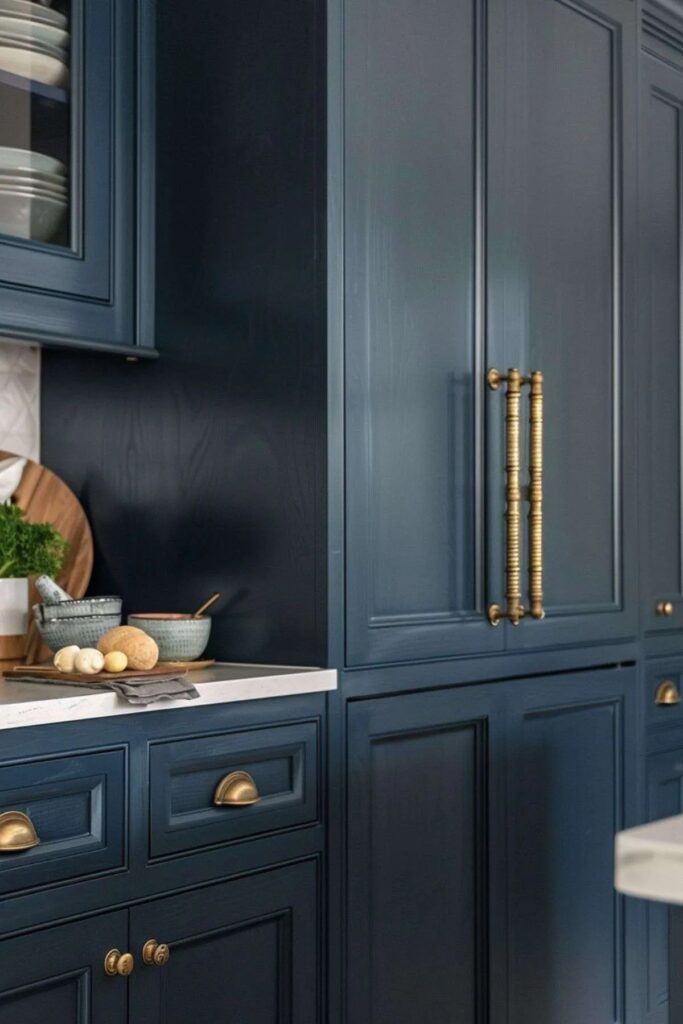
Creating stunning interiors is more than just a matter of aesthetics; it involves a series of thoughtful choices that culminate in a harmonious living space. Have you ever walked into a room and felt an immediate sense of comfort or inspiration? This sensation often arises from the careful selection of elements like color schemes, furniture arrangements, lighting, and finishes. Yet, it’s the subtle architectural details that frequently leave the most lasting impression.
In this article, we’ll explore the essential components that contribute to beautiful interiors. From choosing the right color palette to incorporating clever lighting solutions, each decision shapes the overall atmosphere of your space. Get ready to transform your home into a sanctuary that reflects your personal style while remaining functional and inviting.
The Importance of Color Palettes in Interior Design
Colors can significantly influence your mood and the perception of space. When selecting a color palette, consider both the hues and their combinations. Warm tones like reds and oranges can evoke feelings of warmth and energy, while cooler shades, such as blues and greens, often create a calming atmosphere.
When choosing your colors, think about how they interact with natural light throughout the day. You might find that a color you love looks entirely different in the morning sun compared to the evening glow.
Furniture Choices: Function Meets Aesthetics
Furniture selection is not just about comfort; it’s also about creating visual harmony. Look for pieces that complement your color scheme and fit the scale of your space. Oversized furniture can overwhelm a small room, while tiny pieces may feel lost in a larger area.
Consider multifunctional furniture if you’re working with limited space. Items like ottomans that double as storage or coffee tables that can extend are practical solutions.
Lighting: The Unsung Hero of Interior Design
Lighting often makes or breaks a room’s ambiance. Don’t rely solely on overhead fixtures; instead, layer your lighting with table lamps, floor lamps, and even wall sconces. This approach creates depth and warmth, making your space feel more inviting.
Additionally, consider the color temperature of your bulbs. Warmer lights can create a cozy environment, while cooler lights are great for task-oriented spaces like kitchens or offices.
Architectural Details That Elevate Your Space
It’s the small architectural elements that often have the most significant impact. Crown molding, baseboards, and window trims can add character and sophistication to otherwise plain walls. Even simple changes, like adding wainscoting or decorative beams, can enhance the overall aesthetic.
Moreover, consider the flow of your space. An open layout can promote connection between rooms, while defined spaces can create a sense of intimacy.
Finishes: Adding Texture and Depth
The finishes you choose help to define the style of your interiors. Textured wallpapers, matte versus glossy paint, and different materials can all contribute to the richness of your design. Mix and match finishes for a layered look that feels deliberate and curated.
For example, combining sleek metal hardware with soft fabrics can create a visually appealing contrast that draws the eye.
Bringing It All Together
As you curate your interior space, remember that every element plays a role in crafting a cohesive environment. From your color palette to the architectural details, each choice should resonate with your personality and lifestyle.
So, what are you waiting for? Start envisioning how you can apply these principles to your own home and create a space that not only looks beautiful but also feels like a true reflection of you.