To effectively safeguard your cherished collectibles, it’s essential to shift from simply stashing them away to implementing a comprehensive approach to archival preservation. Whether you’re relocating a meticulously curated collection or just looking to declutter your living space, the way you store these items can significantly impact their longevity. You might be tempted to toss everything into a box and call it a day, but doing so could lead to irreversible damage.
Imagine moving your prized collectibles from a cozy room into a standard storage unit or garage. The consequences of inadequate storage can be dire—cracked figures, faded colors, and loss of value. Unfortunately, we often see collectors lose substantial sums due to improper packaging. Let’s explore the fundamental aspects of preserving your collectibles so that they remain in pristine condition for years to come.
Understanding the Importance of Decontamination Before Storage
Cleaning your collectibles prior to storage is crucial. Why? Because dust and oils from your hands can trigger chemical reactions that damage surfaces. When you seal these items without proper cleaning, you risk sealing in contaminants that can eat away at the materials over time.
To prevent this, ensure that all dust, dirt, and oils are thoroughly removed. When artifacts are stored with contaminants, they can deteriorate, leading to irreversible damage over the years. So, prep your items to enter storage with a neutral, stable baseline.
Best Practices for Cleaning Painted Collectibles
When it comes to cleaning painted figures—such as your Warhammer miniatures—avoid using any liquid cleaners. Instead, opt for a dry, soft-bristled brush to gently remove dust. Liquid cleaners can reactivate the paint’s chemical binder, leading to stripped surfaces.
If you encounter stubborn dust, you can use compressed air from a safe distance to dislodge it. Always handle your collectibles by their bases or wear gloves to prevent transferring oils. Once cleaned, your items will be properly prepped for storage.
Safe Handling Techniques for Books and Paper
If your collection includes books or paper items, handle them with care. Always use gloves when touching the pages or covers to avoid transferring oils that can damage the materials. Instead of pinching the center, hold them by the edges.
If a book is particularly dusty, light dusting is advisable, but never use moisture, as it can lead to mold growth. Remember, moisture is the enemy of paper and can cause irreversible damage.
Choosing the Right Archival Packing Materials
When it comes to packing your collectibles, the materials you use are critical. Standard cardboard boxes can deteriorate over time and release harmful chemicals. Instead, consider using acid-free paper and other chemically neutral materials to protect your items.
Chemical degradation from poor packing materials is a leading cause of damaged collections. By choosing the right materials, you can create a protective layer that prevents deterioration.
The Role of Glassine Paper in Preservation
Glassine paper is a game-changer for protecting your artwork and collectibles. Its unique properties prevent surface adhesion, meaning that items won’t stick to their protective wrapping. Unlike bubble wrap, which can release damaging chemicals, glassine serves as a non-stick barrier.
Wrapping your items in glassine paper will ensure that when you unwrap them years later, the paint or finish remains intact.
Why Acid-Free Paper Matters
Acid-free paper is essential for maintaining the integrity of your collectibles. Regular paper contains acids that can cause yellowing and degradation over time. By using acid-free materials, you ensure that your items remain in chemical neutrality and thus preserve their condition.
This small investment can make a significant difference, especially for vintage books or rare comics. You wouldn’t want to fast-track their deterioration, would you?
Custom Foam Matrixes for Added Protection
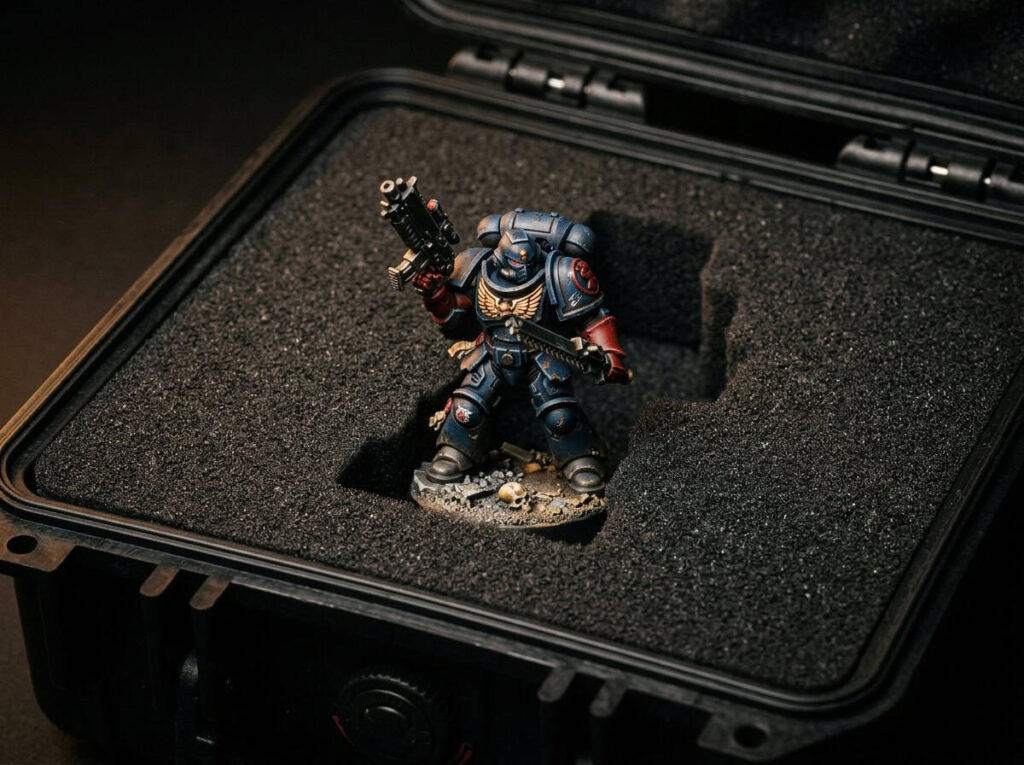
For mixed-resin models, consider using custom foam matrixes. These specially designed foam inserts will cradle your collectibles and prevent them from shifting during transit. Fragile components need the right support to avoid damage.
Invest in foam padding that is cut to fit your specific models. This will significantly reduce the risk of breakage during storage or transportation.
Climate-Controlled Storage: A Necessity, Not a Luxury
When it comes to storing your items, a climate-controlled environment is essential. Temperatures that fluctuate can lead to significant damage over time. You may think that your attic or garage is a viable option, but the risk of thermal shock is far too great.
A climate-controlled storage facility will maintain consistent temperatures and humidity levels, protecting your collection from moisture and temperature-induced damage.
Recognizing the Dangers of Airtight Sealing
Avoid sealing boxes too tightly with household plastic wrap. Doing so can trap moisture, creating a humid micro-environment that promotes mold growth. Instead, aim for breathable materials that allow for air circulation.
Your collectibles need to «breathe» to maintain their integrity over time, and proper airflow is crucial for preventing moisture buildup.
Preventing Material Fatigue through Stable Conditions
Consistent temperature and humidity levels are vital for preventing material fatigue. Fluctuating conditions can cause items to expand and contract, leading to cracks and breaks. For example, plastics and wood can become compromised when subjected to extreme temperature changes.
By investing in a climate-controlled unit, you can safeguard your collectibles against these destructive forces.
Strategic Unit Architecture for Safe Storage
The way you organize your storage unit can make a significant difference. Use freestanding shelving to avoid stacking boxes on top of each other, which can lead to crushing and damage.
By carefully planning the layout of your unit, you can minimize the risk of «box avalanches» and ensure that you can easily access your collectibles without causing harm.
The Value of Visual Inventory Systems
Creating a detailed visual inventory of your collection can help you avoid unnecessary handling. By photographing the contents of each box and keeping a digital record, you can easily locate items without rummaging through sealed containers.
This not only saves time but also minimizes the risk of accidental damage during retrieval.
Weight Distribution to Prevent Crushing
To ensure your lighter boxes are not crushed by heavier ones, employ strategic weight distribution. Place heavier items on the bottom and keep lighter boxes on shelves. This method will protect your collectibles and make retrieving them hassle-free.
Proper organization will go a long way in maintaining the condition of your items.
Ensuring the Legacy of Your Collection
Storing collectibles involves careful planning and implementation of best practices. From cleaning and packing to choosing the right environment, each step is vital for preservation. The balance between making space at home and protecting your cherished items can be achieved without sacrificing either.
Investing in proper storage solutions means your collection will remain intact for years to come, ready for you to enjoy whenever you choose. Remember, preservation is not merely a task; it’s an ongoing commitment to the future of your beloved items.
Frequently Asked Questions
Can I use mild soap to clean my Warhammer figures before packing them?
No, avoid liquid cleaners as they can strip the paint. Instead, use a dry brush for cleaning.
What’s the difference between standard bubble wrap and glassine paper?
Bubble wrap can release harmful chemicals over time, while glassine serves as a non-reactive barrier.
Why does wrapping boxes in household cling film ruin collectibles?
Cling film traps moisture, creating a breeding ground for mold and damage.
How does thermal cycling in an uninsulated shed affect plastic and resin models?
Extreme temperature changes can cause materials to expand and contract, leading to damage.
Is a climate-controlled storage unit actually worth the extra cost for paper and cardboard items?
Yes, it protects delicate items from thermal shock and moisture damage.
What is the safest way to prevent boxes from crushing each other over time?
Use freestanding shelving to keep boxes from stacking on top of one another.